See everything in its entirety effortlessly
Preoccupied with a single leaf, you won’t see the tree.
Preoccupied with a single tree, you’ll miss the entire forest.
Don’t be preoccupied with a single spot. See everything in its entirety effortlessly. That is what it means to truly “see”.
Illusions of a Leaf
Most leaves are trapped in their own illusions.
“Why am I green?”
“Why are others not like me?”
“Red leaves are evil.”
“Why do I have to face the sun every day?”
“Being born into this world as a leaf is a curse.”
“Will I ever be more than just a leaf? I envy the flower.”
“Why do some leaves get more light than I do?”
“Why must I change shape and fall one day?”
“Why do insects eat at my edges?”
“Why do I feel so alone among so many?”
“Why do some leaves get to see the sky while I’m stuck in the shade?”
“Why do I have to wither while others still thrive?”
“Why am I attached to this branch and not another?”
These are the illusions that bind the leaf — a narrow view of existence, focused only on self and difference.
They miss the fact that there’s an entire forest and ecosystem out there — each leaf, whether green or red, whether under the sky or in shade, plays a vital role in the forest’s life. The leaf’s life is not a curse but a chapter in the forest’s timeless story.
You are Infinite
Time, winning, losing, achieving — they are all illusions.
There is no past or present; it’s all memory. And the future is a reflection of your memories.
Being present means escaping the cycle of time itself and seeing things as they truly are.
That’s when you let go of the ego and realize — you’re infinite.
Bread and Circuses
Juvenal, a Roman poet, sharply criticized the emperors of his time.
He observed that Roman rulers kept the population passive and distracted from political, social and economic issues by providing free grain (“bread”) and grand entertainment (“circuses”—such as chariot races, gladiator games, and other public spectacles).
As Juvenal famously wrote:
“Already long ago, from when we sold our vote to no man,
the People have abdicated our duties;
for the People who once upon a time handed out military command, high civil office, legions—everything,
now restrains itself and anxiously hopes for just two things:
bread and circuses.”
— Juvenal
Sadly, this rings true even today. People remain absorbed in constant entertainment and distractions, while the quality of life quietly deteriorates.
Happiness
People suffer because they chase images of happiness created by the society — career, marriage, money, responsibilities.
Happiness is when you stop chasing it. It is just a chemical.
Enjoy the side trips
Enjoy the side trips — a lot. Things more important than what you’re searching for could be right there by the side of the road.
Hinduism
The core philosophy of Hinduism is realizing the unity of Atman and Brahman, and the cosmic right way of living—Dharma.
A Hindu is one who focuses on being and lives according to their Dharma.
Illusion of Peace
If you are at peace. You still “are”.
Purpose of Life
जीवन का एकमात्र ऊदेश्य — आत्म के विकास और अहंकार की मुक्ति ।
Only true purpose of life — The development of the self and liberation from ego.
Be Bored
Stay away from stimuli. Because of constant stimulus people don’t think.
If you master your mind, you can master anything.
Less is better
The quieter you become more you’re able to hear. Less preoccupied you are more you’re able to see.
You're born as a tree
When a man dreams. He dreams of conquering the world. But no man has ever able to conqure it. In the end biggest kings become Ashoka and they try to be tree.
You can never be a forest because you were born as a plant. But perhaps until you live you can choose the a big tree, bear some fruits for others to eat and also supports few plants and trees with your roots.
All Paths of Yoga are same
Karma Yoga - Jnana is also Karma. Bhakti is also Karma. Raja Yoga is also Karma.
Bhakti Yoga - For acquiring ज्ञान. You need Bhakti. For doing Karma, you need bhakti, dhyana, Adhyayana (अध्ययन).
Jnana Yoga - A Jnana yogi understands his place in world and do Karma. For acquiring ज्ञान - you need Bhakti.
All Paths of Yoga are same. A Jnana Yogi understand it.
Life is not suffering
Life is not suffering. It’s ignorance, ego, self-centeredness, wrong expectation that result in suffering.
In this world we are born and sent to schools that focus on materialism and consumerism. This is what results in suffering
Be Kojiro
Kojiro is the strongest. Coz he is dumb. Coz of that instead of focusing on all the stupid things in the world. He focused on inside and learned all the things normal people can’t.
See infinity that exists inside you. Like kojiro. You see we are infinity you need to deeply focus mind, soul and body. That’s when you see the infinite inside. Mastering mind is like defeating a dragon.
All strong people are kind.
Smallness is the root of ego. Strength is the root of kindness.
All strong people are kind.
Life is like fighting a dragon
Life is like fighting a dragon. Die and fail 1000 times so you can win at last.
We are nothing and everything
The self don’t exists because of Sunyata. The world is empty of independent existence. Hence, you’re nothing.
But Atman is Brahman. Hence, you’re everything.
You’re and nothing and everything.
It's natural order for human to achieve their potential
Just like how a tree is born, its tree’s nature to grow and be a big tree. In accordance to nature, it’s natural for human to achieve their highest potential, no because you have some kind of meaning from it, not because you want to do it but because it’s natural for you to do it.
Like it’s natural for song to be beautiful. Plants to become trees. It’s natural order for human to achieve their potential. Be kind, fulfill your potential and die.
We can also call it Dharma.
Being alone makes you strong
Being alone makes you strong. As you learn think critically and rely on yourself.
If you can’t appreciate the useless, you’ll never understand what’s truly useful
“If you can’t appreciate the useless, you’ll never understand what’s truly useful. The earth is vast and generous, yet a man uses only the patch he stands on. Remove everything else, let a gulf open around his feet, how long will he stand?” ~ Chuang Tzu.
माया नहिं तंह ब्रह्म ज्ञान
माया = मूर्खता ।
अगर मूर्खता नहीं है तो वही ब्रह्म ज्ञान है ।
प्रेम क्या है
जीवन ही प्रेम है।
अहं का आत्मा, असत्य का सत्य, होने का न होना,
गूढ़ का निगूढ़, आकार का निराकार, मूर्त का अमूर्त।
अहं का राम, बंधन का मुक्ति —
इन सबकी चाहना ही प्रेम है।
मेरे केंद्र में आत्मप्रेम है,
और मेरे सारे कर्म आत्मा की अभिव्यक्ति मात्र हैं।
The more you see that there no free will - more free you become
The more you see that there no free will - more free you become.
As you understand that all human behaviour is governed by animal instincts, biological memory, chemicals. It means humans behave in a certain way because of reasons they themselves are ignorant of. They don’t understand there’s no “doer”.
When you understand this behaviour of ignorance of others and yourself - you become truly free. Now you live from center of Bodhi (बोध केंद्र).
Be an idiot
It’s ok to don’t know anything or being empty. When you’re empty you can fill yourself with anything.
The usefulness of the cup is its emptiness.
Useless things makes useful things possible
We put thirty spokes together and call it a wheel; But it is on the space where there is nothing that the usefulness of the wheel depends. We turn clay to make a vessel; But it is on the space where there is nothing that the usefulness of the vessel depends. We pierce doors and windows to make a house; And it is on these spaces where there is nothing that the usefulness of the house depends. Therefore just as we take advantage of what is, we should recognize the usefulness of what is not. ~ ताओ ते चिंग, chapter 11
Family friends, relations, politics, economy are constructs and they are useless. But Useless that makes useful things possible.
The whole cosmos is useless for a man but that’s for makes human life possible.
Human needs all the useless learnings so that can use “useful learnings”
If you can’t appreciate the useless, you’ll never understand what’s truly useful.
Understand duality of things
Understand duality of things. Without one you can’t understand what is whole.
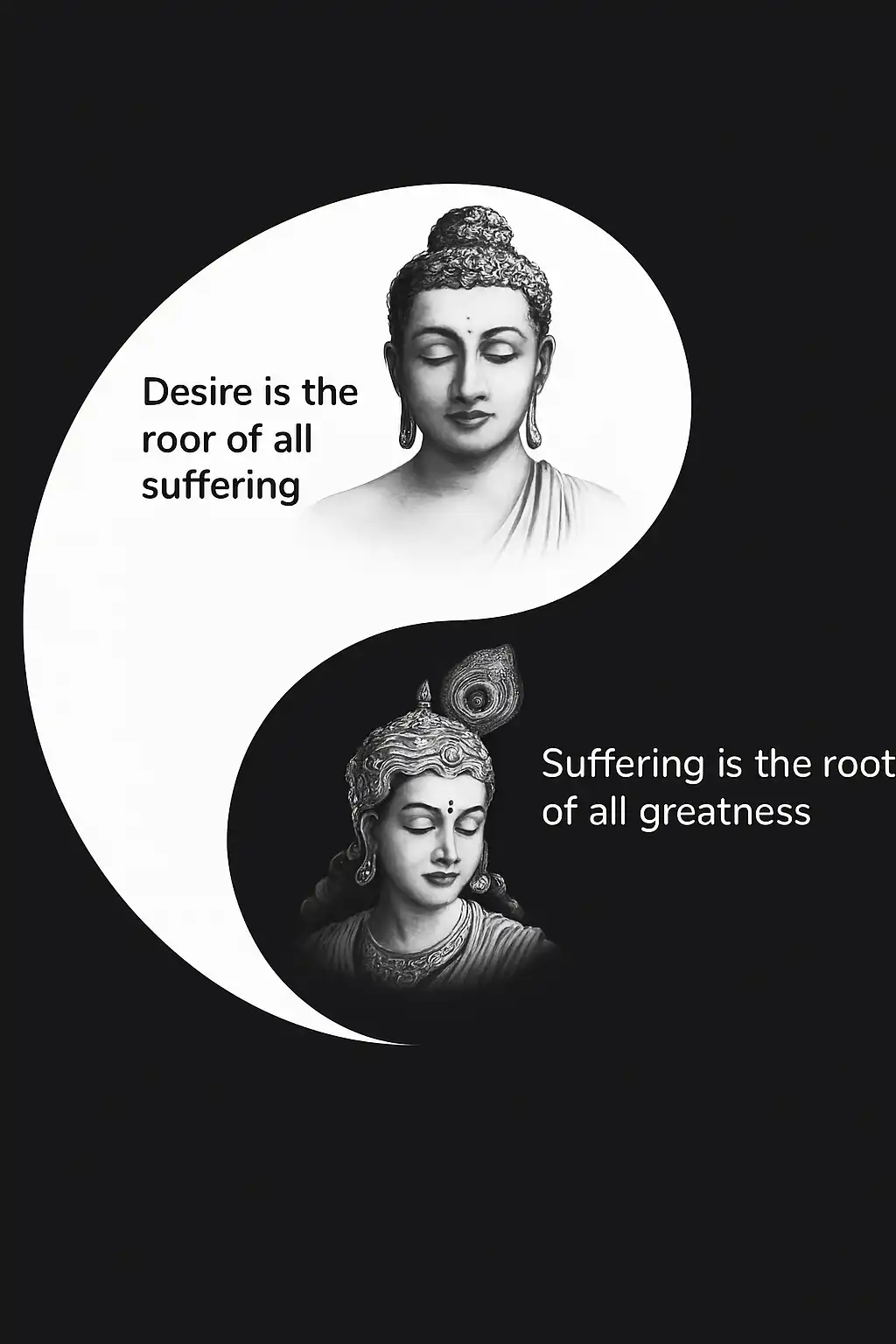
- There is no light for those who do not know darkness.
- There’s no path for those who never lost.
- There is no good for those who do not know evil.
- There’s no love for those who do not know hate.
- There’s no win for those who do not know lose.
- There’s no truth for those who do not know lies.
- There’s no peace for those who do not endure chaos.
- There’s no true self for those who do not lose themselves.
- There’s no growth for those who do not know pain.
Beauty in meaninglessness
A logical mind sees absurdity in the meaningless, but a poet sees beauty in meaninglessness.
Spirituality starts from very source of yours
Spirituality starts from very source of yours. If suffering comes into your life then try to very root of it. Understand what is life? what is death? what live in this constant cycle of suffering in samsara.
अहम का अस्तित्व और उसकी निरर्थकता
जानो कि “अहम” है ही नहीं। मिटाओगे उसको जो है, अहम तो है ही नहीं। साक्षी की तरह तन और उसके खेल को देखो।
ज्ञान में जान लेते हैं कि कोई है या नहीं। न मिटने वाला है, न मिटाने वाला है।
“मैं” अहंकार को मिटाने का संकल्प कर रहा था, लेकिन “मैं” तो है ही नहीं। इसकी निरर्थकता को देखो।
कोई कर्ता नहीं है
अहम कहता है “गति हो रही है तो उसका कारण भी तो कोई होगा न” ?
जीब अपने आप को करता मानता है इसीलिए उसे दुख होता है ।
Don't let words become the cage
Words exist for a reason. When the meaning is understood, words are forgotten.
Words are a tool to reach the meaning. Don’t let words become the cage.
Birds don't think about flying
Birds don’t think about flying.
Let the actions be natural order. Just cause and effect without ego.
The ego thinks about flying. The bird simply flies.
When the ego enters any action, it splits the action into parts: planning, executing, evaluating, claiming credit. The bird has no such split. There is no “I am flying” happening in the bird’s consciousness. There is only flying.
This is what the framework calls non-doership. The action happens. No claimant rushes in afterward to say “I did this.” The bird does not think “I am a good flyer” or “I must improve my technique.” It simply responds to what is, and the flying emerges.
The moment you think about flying, you have introduced the ego into the act. You have created a doer separate from the doing. Now there is friction, self-consciousness, the possibility of failure. The bird knows nothing of this.
This is why the framework says the ego-thin person acts without the IC engine of desire, without Why-ness. They move like the bird moves. The action is complete in itself. There is no one standing apart from it, narrating it, improving it, or claiming it.
The quote points at what the framework calls I am-ness: action arising from presence, not from the ego’s compulsive need to think, plan, and control.
The empty boat
We don’t exist. The river isn’t ours, boat isn’t our and who is rowing the boat isn’t we.
We are the eternal emptiness. We were born as humans. We live in Yoga that is living with excellence in action— being one with Brahman.
“Those eager to display their wisdom only invite calamity. The truly wise man is content in his ordinariness. He achieves nothing, he claims nothing, he judges no one, and no one judges him. He flows quietly like Tao itself: invisible, unresisting, and free. His boat is empty.” ~ Chuang Tzu
There is nothing to awaken just let go of the ego
There nothing to awaken. Atma can’t be awaken - it just is. Your true and highest form of consciousness is Atma. You just have to let go, let go of the ego.
Ego is finite number and atma is infinite number
Ego is finite number and Atma is infinite number. Ego thinks it is different 60 is bigger than 40 and smaller than 80 that’s why its unique.
But in truth any and all number in this world are part of what is infinite, it means there is no one above me, there is no one below myself because there is no two.
Doesn’t matter what number you add (money, desires) in finite ego, it can never surpass infinity.
The only way is to kill the difference is by understanding it never existed in the first place because all number are part of what is infinite.
जो कुछ किसी और पर आश्रित हो, वह सत्य नहीं है
चूँकि निर्मित वस्तुओं के तीन लक्षण—उत्पत्ति, स्थिति और विनाश—का कोई स्वतंत्र अस्तित्व नहीं है, इसलिए न तो कुछ सशर्त है और न ही कुछ निःशर्त; वस्तुतः किसी भी तत्त्व का स्वभावतः अस्तित्व नहीं है। ~ छंद 30 – शून्यता सप्तति
जो कुछ किसी और पर आश्रित हो, वह सत्य नहीं है।
तुम → तुम दूसरे लोगों पर, ब्रह्मांड पर आश्रित हो; इसलिए असत्य हो।
समय → समय दूसरे पलों पर आश्रित है; इसलिए वह आश्रित है।
जन्म → जन्म तुम्हारे माता-पिता और भोजन पर आश्रित है; इसलिए वह असत्य है।
मरण → मरण तुम्हारे होने पर आश्रित है; इसलिए वह भी असत्य है।
न तुम पैदा हुए हो और न तुम मरोगे।
न तुम हो और न तुम नहीं-हो।
“हाँ” और “नहीं”—दोनों कहना गलत है।
बस सब मौन है, सब शून्य है ।
हाँ कहूँ तो है नहीं, नहीं कहा न जाए।
हाँ नहीं के बीच में, साहब रहा समाय॥ ~ कबीर साहब
Castle in the sky is the root of all suffering
You think there is castle in the sky because there is strong feeling inside you is the root cause of all suffering.
Castle in the sky -> Expectation that doesn’t exist.
Happiness which is just a chemical.
Meaning which isn’t there.
प्रेम रस चखो
तुम कामनाओ से रस लेते हो । गाँजा अफ़ीम और पोस्तो भाँग, और शराबे पीवता । धन-दौलत मान-सम्मान, पीछे दौड़त हो। एक प्रेम रस चखा नहीं ।
प्रेम रस सारे रासो में श्रेस्ठ है । एक बार चख लिया तो और रस सुद्र लगने लगेंगी ।
Physics and biology both have physical ego
Fours levels of Physical ego: Quantum Mechanics Physics Chemistry Biology
Everything is cause and effect, it just gets complex as the level shifts.
Electron and proton have physical ego as well, they attract each other - they have a sense of individuality.
But they are at physics level. And humans are at Biology level - that’s why our sense of individuality is intensely dense.
Physical Ego is holding the whole cosmos but you have to see it’s an Empirical illusion - Aham Brahmasmi.
Fundamental intelligence is dharma
There is fundamental intelligence in the universe- Food you eat gets digested without you (ego). Trillions of galaxies are running on their own. Fundamental principles like 2+2=4.
That fundamental force or intelligence is called [[ऋत]] (Rita). When Rita comes into ephemeral human life (व्याकवारिक जीवन) it is known as Dharma.
[[सनातन धर्म|Dharma]] means “right way of living” or “natural way of living”.
[[अहंकार|Ego]] says I’m, I need to control everything. Our Dharma is to be egoless and live with natural fundamental intelligence.
If we kindle our minds, things will unfold according to the whole.
That line feels aphoristic and open to interpretation. Here are a few concise readings you might consider — pick one that fits your context (personal mantra, meditation, teaching, caption, etc.):
-
Philosophical: If we illuminate our minds (by learning, reflecting, or becoming aware), events and relationships will reveal their larger patterns and meanings—things will “unfold according to the whole,” not just immediate fragments.
-
Spiritual: Lighting the inner flame (mindfulness, insight, or awakening) aligns individual experience with a deeper, interconnected reality; when inner clarity increases, the larger cosmic order becomes intelligible.
-
Practical/psychological: When we bring curiosity and attention to a problem, hidden connections and solutions emerge; seeing the whole system lets outcomes evolve naturally rather than forcing narrow fixes.
-
Poetic: A metaphor about inner light and destiny—nurture your inner spark and let life reveal its tapestry.
Ego
The clay that piles upon clay — that clay is ego.
O mind, dissolve ego — ego brings deep sorrow.
The being who drops ego and truly knows,
only that one realizes the Truth as the true support.
Memory → Identification → Continuity → "I"
                              │
                              ▼
                         Control / Fear
Ego is not an entity. It is a process of identification.
It forms when memory is taken to be self. Experiences accumulate, and the mind constructs continuity: “this happened to me.” That continuity becomes identity.
The ego depends on:
- Past (memory)
- Future (projection)
- Ownership (“I did”, “I will”)
Without these, it cannot sustain itself.
Its primary movement is control.
Control arises from fear.
Fear arises from uncertainty.
Thus ego seeks:
- Certainty
- Stability
- Predictable outcomes
This is why goals, targets, and structured futures feel psychologically satisfying—they reinforce the illusion of control.
But this control is fragile because it is imposed on a changing reality.
Therefore:
Ego is sustained contradiction — seeking permanence in impermanence.
Love
Everyone speaks of love, but few truly know it.
That path on which the Truth is found — only that is called love.
Definition Love = “May I disappear, may You remain.”
Presence → No Projection → Direct Action
Love is not desire, attachment, or dependency.
Love exists when psychological time is absent—when there is no projection into the future and no burden of the past shaping perception.
Love does not calculate.
It does not seek outcomes.
Action arising from love is whole, undivided, and intelligent.
Where fear divides, love integrates.
Characteristics
- It is a conscious decision
- A willingness to surrender oneself
- Often begins with a deep weariness of the self
Vedantic View “Repeating ‘You, You,’ one becomes You” — dissolution into the Absolute.
Maya
Everyone talks of illusion (Maya), yet no one truly sees it.
That which does not leave the mind — that alone is called Maya.
Attachment
Attachment is the net of the world; humans are caught in this snare.
The one who understands the secret of attachment — only that one escapes the bondage of becoming.
In the entanglement of attachment and illusion, the being keeps wandering. Lighting the lamp of knowledge, one finally recognizes one’s true home.
Definition Attachment = a sweet-seeming illusion that takes hold of consciousness.
Forms in Common Life
- Emotional attachment
- Pleasant sweetness
- Social and emotional acceptance
True Nature
- A bewitched state
- The experience feels real, but it is not reality
Why It Is Difficult
- Innate from birth
- Appears sweet and harmless
- Deeply tied to ego
Samsara
Kabir says: this world is blind — like a blind cow.
Its calf has already died, yet it keeps licking the empty hide.
Kabir says: play your own drum for these few passing days.
This city, these streets — you shall not return to see them again. ~ Sant Kabir
Definition The world is the perception of a deluded “I.”
Characteristics
- Things appear inverted and distorted
- Imagination gets projected onto reality
- The experience feels true and convincing
Core Principle Deluded self → Deluded world
अहंकार
जिस माटी पर बहुती माटी, सो माटी हंकार।
अहंकार निवारो रे मन, अहंकार बड़ा दुखदाई।
अहंकार तजि जो जीव जाने, वही जाने राम सहाई॥
परिभाषा
अहं वह [[मनोवैज्ञानिक अहं|मनोवैज्ञानिक]] संरचना है जो “मैं” और “मेरा” की पहचान पर आधारित होती है।
अहं = अपूर्णता की अनुभूति = मिथ्या
व्याख्या
अहं कोई वस्तु नहीं, बल्कि पहचान की एक प्रक्रिया है।
यह तब उत्पन्न होता है जब विचार, स्मृति और अनुभव एक केंद्र के चारों ओर संगठित हो जाते हैं—जिसे “मैं” कहा जाता है।
अनुभव → स्मृति → पहचान → “मैं”
अहं स्वयं को बनाए रखता है:
- निरंतरता (भूत → भविष्य)
- विभाजन (मैं बनाम संसार)
- संरक्षण (रक्षा, नियंत्रण)
अहं अस्थिर है क्योंकि यह परिस्थितियों पर निर्भर है।
इसलिए इसके साथ भय अनिवार्य रूप से जुड़ा है।
अहं स्वयं को समाप्त नहीं कर सकता, क्योंकि इसका मूल स्वभाव ही अस्तित्व बनाए रखना है।
मुख्य बिंदु
- अहं प्रकृति की जटिल प्रक्रिया के कारण प्रतीत होता है ।
- यह निरंतर विचारों और स्मृतियों से पोषित होता है
- इसका अस्तित्व “विशेष होने” पर निर्भर करता है
- अहंकार वह झूठा केंद्र है जो कहता है — “मैं करता हूँ, मैं जानता हूँ, मैं पाता हूँ।” अनुभव में सच्चा लगता है पर खोजो तो मिलता नहीं।
- अहं = अपूर्णता की अनुभूति।
- अहं = अधूरापन → कहानी → भविष्य
- जन्म से जुड़ा हुआ अनुभव
- रूप बदलता है, समाप्त नहीं होता
- ज्ञान, भक्ति, त्याग — सबमें छुप सकता है
- खुद को तेज मानता है
कार्य:
- भेद उत्पन्न करना (मैं vs जगत)
- अनुभव को व्यक्तिगत बनाना
- निरंतर स्वयं को स्थापित करना
सत्य:
अहं का अस्तित्व स्वतंत्र नहीं है — यह केवल पहचान पर टिका है।
संबंधित अवधारणाएँ
[[मैं समय में नहीं हूँ, समय मुझमे हैं]] - अहं = अधूरापन → प्रकृति से संभान्ध → समय
[[सनातन धर्म क्या है — मन को प्रकृति के पार ले जाना]] - अहं = अपूर्णता की अनुभूति -> अहम को प्रकृति के परे ले जाना
प्रेम
प्रेम प्रेम सब कोई कहे, प्रेम ने चिन्हे कोय। जा मारग साहब मिले, प्रेम कहावे सोय।।
प्रेम प्याला जो पिये, शीश दक्षिणा देय। लोभी शीश न दे सके, नाम प्रेम का लेय॥
प्रेम प्रेम कोई सब कहे, प्रेम न बुझे कोय। आठ पहर भीगा रहे, प्रेम कहाए सोय॥
[[प्रेम माने क्या]] = अपनी उच्चतम अवस्था की चाह = साहब की राह = परंशांति, परमानंद की राह = सत्य के प्रति निष्ठा = ईमानदारी = जन्मजात बैचैनी, अपूर्णता, अधूरापन मिटना = अगनी में शूद्रता को जालना = मैं न रहूँ, तू रहे
जीवन ही प्रेम है।
अहं का आत्मा, असत्य का सत्य, होने का न होना,
गूढ़ का निगूढ़, आकार का निराकार, मूर्त का अमूर्त।
अहं का [[राम]], बंधन का मुक्ति —
इन सबकी चाहना ही प्रेम है।
मेरे केंद्र में आत्मप्रेम है,
और मेरे सारे कर्म आत्मा की अभिव्यक्ति मात्र हैं।
प्रेम = साहब की राह = परंशांति, परमानंद की राह = जन्मजात बैचैनी, अपूर्णता, अधूरापन मिटना = अगनी में शूद्रता को जालना
लक्षण
- निर्णय है
- न्योछावर होना
- खुद से ऊब से शुरुआत
- पागलपन
- एक आग, एक ललकार
मुख्य बिन्दु
- जीव भूत की ओर बढ़ना।
वेदान्त दृष्टि
जब मैं था तब हरि नहीं, अब हरि हैं मैं नाहिं।
प्रेम गली अति साँकरी, तामें दो न समाहिं॥
“तू तू करता तू हुआ” — परम में विलय
जिस तन लगिया इश्क कमाल || आचार्य प्रशांत, बाबा बुल्लेशाह पर।
संबंधित अवधारणाएँ
[[Avadhuta Gita 1.1–1.5 — Choice Is What Matters; Choice Requires Deep Love; Everything Else Is Noise#Love as Non-Rational Choice|Love as Non-Rational Choice]] - you have to burn for love.
[[From Conditioning to Clarity Why Thought Does Not Become Transformation#Fear and Love A Structural Contrast|Fear and Love A Structural Contrast]]
[[खलक सब रैन का सपना सत्र 2 — कठिन है मोह की धारा, बहा सब जात संसारा#प्रेम क्या है|प्रेम क्या है]]
[[श्रीमद्भगवद्गीता अध्याय 6, श्लोक 47 — जो केवल कृष्ण को ही भजते हैं, वही सर्वश्रेष्ठ योगी हैं#प्रेम कैसे आएगा?|प्रेम कैसे आएगा]]
[[श्रीमद्भगवद्गीता अध्याय 6, श्लोक 47 — जो केवल कृष्ण को ही भजते हैं, वही सर्वश्रेष्ठ योगी हैं#“प्रेम गली अति साँकरी, तामें दो न समाही।”|प्रेम गली अति साँकरी, तामें दो न समाही]]
[[अब हम गुम हुए, गुम हुए, गुम हुए प्रेम नगर की सैर]]
[[The Little Prince — What Adults Forget - Lessons on Love and Conditioning]]
[[इश्क़ है आसमां में उड़ के जाना]]
[[हमन है इश्क मस्ताना]]
[[जिस तन लगिआ इश्क कमाल]]
[[प्रेम माने क्या]]
प्रेम और अधूरापन।
प्रेम हो नहीं जाता, सीखना पड़ता है।
माया
माया माया सब कहे, माया लखे न कोय।
जो मन से न उतरे, माया कहिये सोय।।
[[माया माने क्या]] — गलत पहचान से दिखता संसार ।
संबंधित अवधारणाएँ
[[माया तजूं तजि नहिं जाइ]]
मोह
मोह जगत का जाल है, मनुज फँसे इस फाँस।
जो जाने मोह का भेद, वही बचे भव‑पाँस॥
मोह माया के फेर में, जीव भटकता फिरे।
ज्ञान दीपक जलाकर, सोई अपना घर पहिचाने॥
परिभाषा
मोह [[अहंकार|अहं]] की [[व्रत्ति]] है — एक भीतरी जन्मजात झुकाव।
अहं कहता है — “मैं”, “मेरा अपना”, “मेरे लोग”, “मेरा परिवार” फिर बुद्धि उसके पक्ष में तर्क गढ़ती है।
लोकधर्म में रूप
- लगाव
- मिठास
- भावनात्मक स्वीकार्यता
सत्य रूप
- Bewitched अवस्था
- अनुभव सच्चा लगता है, वास्तविकता नहीं
- मोह = भ्रम जो मीठा लगता है और चेतना पर कब्ज़ा कर लेता है।
क्यों कठिन है
- जन्मजात
- मीठा दिखता है
- अहंकार से जुड़ा
संबंधित अवधारणाएँ
[[खलक सब रैन का सपना - सत्र 2|कठिन है मोह की धारा, बहा सब जात संसारा]]
संसार
कबीर यहु जग अंधला, जैसी अंधी गाइ।
बछा था सो मरि गया, ऊभी चांम चटाइ॥
कबीर नौबत आपनी, दिन दस लेहु बजाय।
यह पुर पट्टन यह गली, बहुरि न देखौ आय॥ ~ संत कबीर
परिभाषा
संसार भ्रमित “मैं” की दृष्टि है।
लक्षण
- उल्टा-पुल्टा दिखना
- कल्पनाएँ आरोपित होना
- अनुभव सच्चा लगता है
मुख्य सूत्र
भ्रमित मैं → भ्रमित संसार
संबंधित अवधारणाएँ
[[खलक सब रैन का सपना सत्र 2 — कठिन है मोह की धारा, बहा सब जात संसारा|कठिन है मोह की धारा, बहा सब जात संसारा]]
Ignorance
Core Idea
Ignorance is not lack of information — it is the false belief in separation between ego and nature.
Explanation
When the “I” is assumed to be separate, duality arises.
This division creates time, dissatisfaction, and illusion.
Key Points
- Ignorance = illusion of separation
- False identity = root error
- Ignorance → distance → dissatisfaction → time
- Knowledge = end of separation
One-Line Essence
Ignorance is not absence of knowledge — it is wrong identity.
Liberation
Core Idea
Liberation is not the end of chronological time — it is the ending of egoic time.
Explanation
The flow of nature cannot be stopped.
But the psychological movement of ego can end — that ending is liberation.
Key Points
- Nature’s time continues
- Egoic time can end
- Ending of I-axis = liberation
- End of duality = end of time-experience
- Ignorance creates separation
One-Line Essence
Time does not end — the experiencer of time ends.
Rebirth
Core Idea
Action happens, the doer changes, and that itself is a new birth.
Understanding once awakened continues to guide future states.
Key Ideas
- Rebirth is an inner transformation.
- Every experience reshapes the doer.
- Right action transforms the doer first.
- Transformation equals new birth.
Key Points
- Experience = change
- Interaction is two-way transformation
- Even observation causes change
- Stable identity is an illusion
One-Line Essence
A new “self” is born with every experience.
Time
Core Idea
Time is not an independent entity — it is the experience of change arising from relationships within duality.
Explanation
When “I” and “world” appear separate, relationships form.
Every relationship brings change — the perception of that change is called time.
Key Points
- Duality → Relationship → Change → Time
- Incompleteness drives time
- Psychological dissatisfaction sustains time
- Without change there is no experience of time
One-Line Essence
Time is not a thing — it is experienced change within duality.
Beauty
Core Idea
Beauty is not in objects — it arises in egoless perception.
Explanation
Good and bad are mental projections.
Where ego disappears, whatever exists appears beautiful.
Key Points
- Beauty = absence of ego
- Ugliness = projection
- Spiritual love = commitment to truth
- Attraction ≠ spiritual beauty
One-Line Essence
Where ego ends — beauty begins.
Word
Core Idea
Words do not deliver truth — they remove confusion.
Explanation
Spiritual language helps cut false beliefs.
Once clarity arises, words lose their necessity.
Key Points
- Words ≠ truth
- Words = cleaning tools
- Memorization creates illusion
- Realization is experiential
One-Line Essence
Words are tools for clearing the path, not the destination.
Present
Core Idea
The present is not part of the flow of time — it is the state of origin.
Explanation
Within time there is only past and future.
The present arises when the ego’s movement stops while nature continues.
Key Points
- Present ≠ moment
- Present = non-dual awareness
- Origin = zero point / pure awareness
- Ego stillness makes present possible
- Watching nature without ego is the present
One-Line Essence
The present is not in time — it is freedom from time.
Thought and time
Core Idea
Thought and time are the same psychological movement.
Explanation
Thought emerges from memory and imagination.
That movement creates past and future — psychological time.
Key Points
- Thought = Time
- perception always has time lag
- Thought = exchange between ego and nature
- No thought without object
One-Line Essence
Where thought exists — time exists.
अज्ञान
परिभाषा:
अज्ञान वह स्थिति है जिसमें व्यक्ति मिथ्या को सत्य मान लेता है।
व्याख्या
जब “मैं” को अलग और स्वतंत्र मान लिया जाता है, तब [[द्वैत]] पैदा होता है।
यही विभाजन [[समय]], असंतोष और भ्रम को जन्म देता है।
मुख्य बिंदु
- अज्ञान = द्वैत का भ्रम = जीव और जगत को अलग देखना
-
अज्ञान = [[अहंकार अहं]] और प्रकृति के बीच बने झूठे फासले को सत्य मान लेना है। - “मैं अलग हूँ” — मूल गलत पहचान
- अज्ञान → दूरी → असंतोष → समय
- ज्ञान = दूरी का अंत
एक पंक्ति सार
अज्ञान वस्तु नहीं — गलत पहचान है।
संबंधित अवधारणाएँ
[[समय]]
[[अहंकार]]
[[मुक्ति]]
पुनर्जन्म
मूल विचार
कर्म होने पर कर्ता बदल जाता है — और वही नया जन्म है।
जो समझ एक बार जागती है, वह अगली अवस्थाओं में भी मार्गदर्शन करती है।
मुख्य विचार
- पुनर्जन्म भविष्य की घटना नहीं, आंतरिक परिवर्तन है।
- हर अनुभव के बाद नया कर्ता जन्म लेता है।
- सही कर्म बाहरी परिणाम से पहले भीतर के कर्ता को बदलता है।
- परिवर्तन = नया जन्म।
मुख्य बिंदु
- अनुभव = परिवर्तन
- interaction = दो तरफ़ा बदलाव
- देखने से भी परिवर्तन होता है
- स्थायी पहचान एक भ्रम है
- मापन‑प्रभाव.
एक पंक्ति सार
हर अनुभव के साथ नया “मैं” जन्म लेता है।
संबंधित अवधारणाएँ
[[श्रीमद्भगवद्गीता अध्याय 6, श्लोक 43 — पुनः जन्म प्रतिपल है]]
[[समय]]
मुक्ति
मूल विचार
मुक्ति = [[अहंकार|अहं]] की धारा का शांत होना
व्याख्या
प्रकृति की समयधारा को रोका नहीं जा सकता।
लेकिन अहं की मनोवैज्ञानिक धारा समाप्त की जा सकती है — वही मुक्ति है।
मुख्य बिंदु
- प्रकृति का समय चलता रहेगा
- अहं का समय समाप्त हो सकता है
- I-axis समाप्त → मुक्ति
- [[द्वैत]] का अंत = समय अनुभव का अंत
- [[अज्ञान]] = अहं-प्रकृति दूरी
एक पंक्ति सार
समय नहीं मिटता — समय का अनुभव मिटता है।
संबंधित अवधारणाएँ
[[समय]]
[[मैं समय में नहीं हूँ, समय मुझमे हैं]]
[[समत्व ही शिवत्व है]]
वर्तमान
मूल विचार
वर्तमान समय की धारा का हिस्सा नहीं — वह origin की अवस्था है।
व्याख्या
समय की धारा में केवल भूत और भविष्य होते हैं।
वर्तमान तब होता है जब अहं की धारा रुक जाती है और प्रकृति बहती रहती है।
मुख्य बिंदु
- Present ≠ Moment
- Present = अद्वैत स्थिति
- वर्तमान = origin / बोध बिंदु / शून्य
- अहं स्थिर → वर्तमान संभव
- प्रकृति को देखते रहना = वर्तमान
एक पंक्ति सार
वर्तमान समय में नहीं — समय से स्वतंत्र जागरूकता में है।
संबंधित अवधारणाएँ
[[मैं समय में नहीं हूँ, समय मुझमे हैं]]
[[विचार]]
विचार
मूल विचार
विचार = अहं और प्रकृति का आदान-प्रदान।
विचार बिना विषय के नहीं होता।
व्याख्या
विचार स्मृति और कल्पना से बनता है।
इसी प्रक्रिया में अतीत और भविष्य चलते हैं — यही मनोवैज्ञानिक समय है।
मुख्य बिंदु
- Thought = Time
- perception में हमेशा time lag
- विचार = अहं और प्रकृति का आदान-प्रदान
- विचार बिना विषय के नहीं होता।
- विचार और समय अलग नहीं — एक ही मनोवैज्ञानिक गति के दो नाम हैं।
एक पंक्ति सार
जहाँ विचार है — वहीं समय है।
संबंधित अवधारणाएँ
[[मैं समय में नहीं हूँ, समय मुझमे हैं]]
[[वर्तमान]]
शब्द
मूल विचार
शब्द सत्य देने के लिए नहीं — गलत मान्यताओं को हटाने के लिए होते हैं।
व्याख्या
सही आध्यात्मिक भाषा का काम है भ्रम काटना।
जब भ्रम हट जाए — शब्द भी छोड़ने पड़ते हैं।
मुख्य बिंदु
- शब्द ≠ सत्य
- शब्द = सफाई का साधन
- रटना = नया भ्रम
- अंतिम सत्य अनुभव से है
एक पंक्ति सार
शब्द मंज़िल नहीं — मानसिक सफाई का झाड़ू हैं।
संबंधित अवधारणाएँ
[[मैं समय में नहीं हूँ, समय मुझमे हैं]]
[[साक्षीत्व]]
समय
काल‑काल सब कोई कहे, काल न चीन्है कोय।
जेती मन की कल्पना, काल कहवै सोय॥
मूल विचार
[[अहंकार|अहं]] = समय का केंद्र
समय = मनोवैज्ञानिक दूरी
समय कोई स्वतंत्र सत्ता नहीं है — द्वैत में बने संबंध और उनसे उत्पन्न परिवर्तन का अनुभव ही समय है।
व्याख्या
जब “मैं” और “जगत” अलग प्रतीत होते हैं, तब उनके बीच संबंध बनते हैं।
हर संबंध परिवर्तन लाता है — उसी परिवर्तन की अनुभूति को हम समय कहते हैं।
मुख्य बिंदु
- [[द्वैत]] → संबंध → परिवर्तन → समय
- अपूर्णता समय को चलाती है
- असंतोष समय की मनोवैज्ञानिक समय जड़ है
- संतोष होता तो समय का अनुभव नहीं होता
एक पंक्ति सार
समय वस्तु नहीं — द्वैत में परिवर्तन का अनुभव है।
संबंधित अवधारणाएँ
[[मैं समय में नहीं हूँ, समय मुझमे हैं]]
[[शून्यता सप्तति छंद 31 — कोहम अहं की जाँच में उत्पत्ति, स्थित और विनाश का लय]]
सौंदर्य
मूल विचार
सुंदरता वस्तु में नहीं — निरहंकार दृष्टि में है।
व्याख्या
अच्छा-बुरा, सुंदर-बदसूरत — ये सब द्रष्टा की मानसिक परिभाषाएँ हैं।
जहाँ अहंकार हट जाता है, वहाँ जो है वही सुंदर प्रतीत होता है।
मुख्य बिंदु
- सुंदरता = अहं का अभाव
- बदसूरती = मानसिक प्रक्षेपण
- सत्य के प्रति निष्ठा = आध्यात्मिक प्रेम
- सामाजिक आकर्षण ≠ आध्यात्मिक सुंदरता
एक पंक्ति सार
जहाँ “मैं” नहीं — वही सुंदर है।
संबंधित अवधारणाएँ
[[अहंकार|अहं]]
द्वैत
विचार:
द्वैत = “मैं और दूसरा” की धारणा।
व्याख्या:
जब अनुभवक और अनुभव अलग हैं, तब द्वैत और भेद पैदा होता है।
संबंधित अवधारणाएँ
[[अहंकार]]
[[समय]]
ध्यान
परिभाषा:
ध्यान का अर्थ है जो पकड़ा हुआ है, उसे छोड़ देना।
ध्यान कोई उपलब्धि नहीं है, कोई अनुभव जोड़ना नहीं है।
- जब मन सौ विषयों में बंटा हो, जीवन भी बिखरता है।
- अहंकार भूखा है, वह हर दिशा में भागेगा।
भ्रम:
- ध्यान = अभ्यास ❌
- ध्यान = तकनीक ❌
वास्तविकता:
- ध्यान = देखने की शुद्धता ✔
जीवन का बिखराव
| स्थिति | परिणाम |
|---|---|
| कम विषय | मन अपेक्षाकृत स्थिर |
| अधिक विषय | मन बिखरा हुआ |
| आकर्षक विषय | अहंकार का पोषण |
| विषयों का त्याग | स्पष्टता |
आज विकल्प अनंत हैं, इसलिए ध्यान कठिन है।
संबंधित अवधारणाएँ
[[ताओ ते चिंग अध्याय 15 — ज्ञानी का स्वरूप और ध्यान का अर्थ]]
नींद
नींद कभी सहज कर्म में बाधा नहीं बन्नी चाहिए ।
[[संघर्ष|राम की मजदूरी]] करनी है ।
[[जागु पियारी अब का सोवे]]
बोध केंद्र
जो [[माया]], [[अहंकार]], [[मृत्यु]], [[राम]] तो जनता हो । और [[आत्मा]] के केंद्र से जीता हो ।
जब मैं था तब हरि नहीं, अब हरि है मैं नाहीं।
सब अँधियारा मिट गया, दीपक देखा माहीं।।
मृत्यु
[[अहंकार]] के अंत को ही मृत्यु कहते है ।
जीवन में मरना भला, जो मरि जानै कोय। मरना पहिले जो मरै, अजय अमर सो होय।।
संबंधित अवधारणाएँ
[[मुक्ति]]
[[समय]]
राम
सत्य, मुक्ति, आनंद, ब्रह्म को राम कहते है ।
राम को पाना मतलन मुक्तिपूर्ण, आनंदपूर्ण जीवन जीना ।
राम के लिए जीना मतलन आत्मप्रेम, मुक्ति, श्रेस्ठ्ता, उत्तमता के जीना ।
मैं बौरी मेरे राम भरतार
ता कारण रचि करूँ स्यंगार।
राम के लिए स्यंगार करना मतलब उनके लिए उत्तम बनना।
संबंधित अवधारणाएँ
[[राम भजा सो जीता जग में]]
[[राम बिन तन की ताप न जाई]]
[[जो मैं बोरा तो राम तोरा]]
[[तुलसी दास के राम दोहे]]
[[फिरत-फिरत माया के पीछे, चाहे बोरे राम]]
विषय और विषयी का एकत्व
[[समता]] ही एकत्व है ।
[[समत्व ही शिवत्व है|शिवत्व]] ही एकत्व है ।
संघर्ष
संघर्ष = [[घृणा]] के वीरुध युद्ध = जन्मजात बैचैनी, अपूर्णता, अधूरापन के वीरुध युद्ध = अपने अंदर के कीचर के वीरुध युद्ध
सत्य, सही जीबन, सही कर्म
[[राम]] की मजदूरी है
रोज करनी है
कोई छुट्टी नहीं
गिर ही जाए शरीर
तो बात अलग है
जब तक चल सकते हैं
तो गलत दिशा क्यों चलें?
जिस दिन नहीं चल सकते
उस दिन गिर जाएंगे
पर गलत दिशा नहीं चलेंगे
ना ही रुकेंगे
- sangharsh apne viruddh(Acharya prashant) - YouTube।
- अपनी जेल के भीतर हम बिल्कुल स्वतंत्र हैं, जैसे खूँटे से बँधा पशु आज़ाद है || आचार्य प्रशांत (2023) - YouTube।
- बड़ी लड़ाई लड़ो! || आचार्य प्रशांत - YouTube।
- तुम युद्ध में हो, तुम्हें समर्पण नहीं संघर्ष चाहिए || आचार्य प्रशांत (2022) - YouTube।
- मजबूरी का रोना बंद करो, हिम्मत दिखाओ खतरा उठाओ || आचार्य प्रशांत (2023) - YouTube।
- उठो, अपनी हालत के खिलाफ़ विद्रोह करो! || आचार्य प्रशांत (2017) - YouTube।
संबंधित अवधारणाएँ
[[नींद]]
समता
मुख्य विचार:
विषय और विषयी का भेद मिट जाना।
जो देख रहा है, उनमें भेद नहीं।
व्याख्या:
- कोई वस्तु या परिस्थिति आपकी दृष्टि से अलग नहीं है।
- अहंकार और द्वैत हट जाएँ तो यही वास्तविक भक्ति है।
- समता = भक्ति और ज्ञान का मूल।
- यह बाहर की पूजा या मंत्रों से नहीं, केवल चेतना के स्तर पर प्रकट होती है।
- ये सबके साथ एक जैसा व्यवहार नहीं, विषय और विषयी का भेद मिट जाना है ।
- इस स्थिति में रहना ही समत्व है ।
संबंधित अवधारणाएँ
[[समत्व ही शिवत्व है]]
[[अवधूत गीता — जहाँ मैं नहीं, वहीं शिव]]
[[अहंकार|अहम्]]
[[साक्षीत्व]]
समत्व ही शिवत्व है
मुख्य विचार:
[[समता]] — विषय और विषयी का भेद मिट जाना।
जब भीतर और बाहर, आत्म और अनात्म, विषय और विषयी का भेद समाप्त हो जाता है, तब अहंकार मिटता है । अहंकार के मिटने को ही शिवत्व कहते है।
व्याख्या:
- समत्व = सभी भेदों का अंत।
- विषय और विषयी में भेद मिट जाना = अहंकार का नाश।
- यह केवल अनुभव से समझ में आता है, सिद्धांत या पूजा से नहीं।
- समत्व में रहने वाला व्यक्ति निष्कर्म, शांत और मुक्त होता है।
आध्यात्मिक सार:
- समत्व = चेतना की परम अवस्था।
- समत्व के अनुभव से ही अहंकार समाप्त होता है और शिवत्व प्रकट होता है।
- “समत्व ही शिवत्व है” – यही गूढ़ सार है।
संबंधित अवधारणाएँ
[[समता]]
[[अवधूत गीता — जहाँ मैं नहीं, वहीं शिव]]
[[अहंकार|अहम्]]
[[साक्षीत्व]]
सरलता और जटिलता
विचार:
सरलता = आदिबिंदु के निकट होना; जटिलता = मूल से दूरी।
व्याख्या:
जितना अधिक भेद और [[अहंकार]], उतना जटिल अनुभव।
आध्यात्मिक सार:
[[समत्व ही शिवत्व है|शिवत्व]] = आदिबिंदु में वापसी, विचार और अहंकार की शिथिलता।
संबंधित अवधारणाएँ
[[मैं समय में नहीं हूँ, समय मुझमे हैं]]
साक्षीत्व
विचार:
चयनरहित जागरूकता, जहाँ विचार और भावना केवल देखे जाते हैं।
व्याख्या:
अहं ढीला पड़ता है, प्रतिक्रिया नहीं आती, केवल जागरूकता रहती है।
वो कोई भाव नहीं होता, भाव बगेरा में मत पड़ना ।
वो एक जिद होती है , एक संकर्ल्प, एक इरादा होता है ।
देखना तो है लेकिन कुछ बनकर नहीं देखना, देखना तो है लेकिन कुछ खोजते गुए नहीं देखना, देखना तो है लेकिन कुछ चाहते हुए नहीं देखना, सुनना तो है लेकिन इस नियत से नहीं देखना की जो सुनना है वही सुनाई दे ।
स्वयं से निरपेक्ष होकर प्रकर्ति के अवलोकन को होने देने को [[साक्षीत्व]] कहते है ।
आध्यात्मिक सार:
अद्वैत अनुभूति; मनोवैज्ञानिक दूरी का अंत।
संबंधित अवधारणाएँ
[[समता]]
[[मैं समय में नहीं हूँ, समय मुझमे हैं]]
[[ताओ ते चिंग अध्याय 15 — ज्ञानी का स्वरूप और ध्यान का अर्थ]]
[[सनातन धर्म क्या है — मन को प्रकृति के पार ले जाना]]
अवलोकक प्रभाव
इन दोनों का अर्थ यह है कि जब कोई व्यक्ति या यंत्र किसी घटना को देखता या अवलोकन करता है, तो वह अवलोकन स्वयं उस घटना के परिणाम या व्यवहार को बदल देता है।
-
भौतिकी में (क्वांटम यांत्रिकी):
जैसे डबल‑स्लिट प्रयोग में इलेक्ट्रॉन तब तक तरंग की तरह व्यवहार करता है जब तक उसे नहीं देखा जाता; जैसे ही उसका मापन/अवलोकन किया जाता है, वह कण की तरह व्यवहार करने लगता है। -
मनोविज्ञान में:
जब लोग जानते हैं कि उन्हें देखा जा रहा है, तो वे अपने सामान्य व्यवहार से अलग ढंग से बर्ताव करते हैं (जैसे ऑडिट के समय कर्मचारी अधिक सावधानी से काम करते हैं)।
जीवत्व मिटना ही एकत्व है
“न मे जीवः इति ज्ञात्वा स जीवन्मुक्त उच्यते।”
— ऋभुगीता
जो जान ले कि “मैं जीव नहीं हूँ”, वही जीवन्मुक्त है।
माने क्या
हमेशा पूछना है “माने क्या?” हर चीज़ की परिभाषा पता होना चाहिए
[[अहंकार माने क्या]]
[[आत्मा माने क्या]]
[[ऋभु गीता अध्याय 4, श्लोक 10-20 — अनात्मा जैसा कुछ भी नहीं है|अनात्मा माने क्या]]
[[चेतना माने क्या]]
[[प्रेम माने क्या]]
[[बोध माने क्या]]
[[मन माने क्या]]
[[माया माने क्या]]
[[मुक्ति माने क्या]]
[[सत्य माने क्या]]
[[होश माने क्या]]
| [[सनातन धर्म क्या है — मन को प्रकृति के पार ले जाना | सनातन धर्म माने क्या]] |
| [[मैं समय में नहीं हूँ, समय मुझमे हैं | समय माने क्या]] |
| [[अवधूत गीता — जहाँ मैं नहीं, वहीं शिव | शिव माने क्या]] |
| [[श्रीमद्भगवद्गीता अध्याय 6, श्लोक 46 — सबसे श्रेष्ठ योगी है | योगी माने क्या]] |
| [[ताओ ते चिंग अध्याय 15 — ज्ञानी का स्वरूप और ध्यान का अर्थ | ध्यान माने क्या]] |
| [[कठोपनिषद 1.2.15 — ॐ क्या है | ॐ माने क्या]] |
| [[खलक सब रैन का सपना सत्र 2 — कठिन है मोह की धारा, बहा सब जात संसारा | भ्रमित संसार माने क्या]] |
| [[Bhagavad Gita Chapter 3, Verse 17 — On Ego, Duty, and Freedom | Freedom माने क्या]] |
| [[श्रीमद्भगवद्गीता अध्याय 6, श्लोक 43 — पुनः जन्म प्रतिपल है | पुनः जन्म माने क्या]] |
- अहं
- ‘मैं’ भाव क्या है? मैं को कैसे देखें? || आचार्य प्रशांत (2019) - YouTube.
- अहंकार माने क्या? || आचार्य प्रशांत, अध्यात्म उपनिषद् पर (2017) - YouTube.
- चेतना माने क्या? || आचार्य प्रशांत (2016) - YouTube.
- बोध माने क्या? || आचार्य प्रशांत (2014) - YouTube.
- मुक्ति माने क्या? || आचार्य प्रशांत (2020) - YouTube.
- होश का असली अर्थ क्या है, और क्या नहीं? || आचार्य प्रशांत (2018) - YouTube.
- माया क्या है? (पूरी बात) || आचार्य प्रशांत, वेदांत महोत्सव (2022) - YouTube.
- मन को पूरा जानना क्या है? || आचार्य प्रशांत (2017) - YouTube.
- मन और अहम क्या? वृत्ति और मुक्ति क्या? || आचार्य प्रशांत (2018) - YouTube.
- प्रकर्ति
- स्वर्ग क्या है? जीवित रहते स्वर्ग पाने की विधि क्या है? || आचार्य प्रशांत, कठ उपनिषद् पर (2024) - YouTube.
- श्रद्धा क्या है? || आचार्य प्रशांत, भगवद् गीता पर (2023) - YouTube.
- संस्कार किसलिए होते हैं? क्या संस्कार से अहंकार कटता है? || आचार्य प्रशांत (2023) - YouTube.
- मन को अध्यात्म, और शरीर को व्यायाम || आचार्य प्रशांत (2017) - YouTube.
- The 99 floors of consciousness || Acharya Prashant (2018) - YouTube.
- आत्मा
- आत्मा माने क्या? शुद्ध धर्म कैसा? || आचार्य प्रशांत, वेदांत महोत्सव ऋषिकेश में (2021) - YouTube.
- आत्मा क्या है? (पूरी बात) || आचार्य प्रशांत, वेदांत महोत्सव (2022) - YouTube.
- ब्रह्म माने क्या? || आचार्य प्रशांत, वेदांत पर (2022) - YouTube.
- ब्रह्म माने क्या? || आचार्य प्रशांत, वेदांत पर (2022) - YouTube.
- आख़िर सत्य है क्या? || आचार्य प्रशांत (2024) - YouTube.
- ईश्वर
- प्रेम
- प्रेम क्या होता है? || आचार्य प्रशांत (2018) - YouTube.
- सच्चे प्रेम की पहचान || आचार्य प्रशांत (2020) - YouTube.
- प्रेम सीखना पड़ता है || आचार्य प्रशांत, बातचीत (2022) - YouTube.
- भक्ति माने क्या? भजन माने क्या? भक्ति में धोखे से कैसे बचें? || आचार्य प्रशांत (2023) - YouTube.
- भक्ति का सही अर्थ क्या? भजन माने क्या? || आचार्य प्रशांत (2023) - YouTube.
- गुरु माने क्या? अहं और आत्मा माने क्या? (पूरी बात) || आचार्य प्रशांत, गुरु गीता (2025) - YouTube.
- जीवन
- कीचड़ से बचना और पड़ना माने क्या? || आचार्य प्रशांत, बच्चों से बातचीत (2023) - YouTube.
- ऐसी क्या मजबूरी है, भाई? || आचार्य प्रशांत, वेदांत महोत्सव (2022) - YouTube.
- जानते हैं आपके लिए सही काम क्या है? || आचार्य प्रशांत (2020) - YouTube.
- नौकरी माने क्या? || आचार्य प्रशांत, बातचीत (2020) - YouTube.
- जीवन में क्या काम करें? (बारहवीं की छात्रा का प्रश्न) || आचार्य प्रशांत, वेदांत महोत्सव (2022) - YouTube.
- सफलता माने क्या? सफल इंसान किसे मानें? || आचार्य प्रशांत (2021) - YouTube.
- स्वधर्म माने क्या? क्या करना धर्म है? || आचार्य प्रशांत (2022) - YouTube.
- वेदान्त की एक मूल बात || आचार्य प्रशांत (2020) - YouTube.
- विदाई माने क्या? पिता का घर पराया कैसे? || आचार्य प्रशांत, वेदांत महोत्सव (2023) - YouTube.
- शादी माने क्या? प्रेम विवाह बेहतर है? || आचार्य प्रशांत, बातचीत (2023) - YouTube.
- बाद में गीता पड़ेंगे माने क्या? || आचार्य प्रशांत, वेदांत महोत्सव (2022) - YouTube.
अस्तित्वगत दुख
परिभाषा:
मनुष्य होने के कारण जो मूल बेचैनी होती है, उसे अस्तित्वगत दुख कहते हैं।
आत्मविसर्जन
प्रेम का चरम रूप आत्मविसर्जन है।
मूल विचार
[[महाप्रेम]] = [[आत्मविसर्जन]]
सच्चा प्रेम “मैं” को बचाता नहीं, विलीन करता है।
व्याख्या
साधारण प्रेम स्वामित्व चाहता है।
परंतु गहन प्रेम स्वयं को अर्पित कर देता है।
ज्ञान में यह अहं-विलय के रूप में प्रकट होता है,
भक्ति में पूर्ण समर्पण के रूप में।
मुख्य बिंदु
-
प्रेम बिना त्याग अधूरा है
-
आत्मविसर्जन भय नहीं, विस्तार है
-
द्वैत प्रेम का आरंभ है, अद्वैत उसका चरम
-
“मैं” का अंत ही मिलन है
एक पंक्ति सार
जहाँ “मैं” मिटता है, वहीं प्रेम पूर्ण होता है।
संबंधित अवधारणाएँ
[[अद्वैत]]
[[भक्ति]]
[[ज्ञान]]
कर्तव्य
अज्ञान, दुख, और दर से उपजात कर्म ।
कृष्ण
परिभाषा:
कृष्ण नाम केवल संज्ञा है; वास्तविकता वही है जो अविचल है।
सिद्धांत:
- कोई रूप, कथा या अनुभूति जोड़ना भ्रम है।
- उद्देश्य: मन को सनातन की ओर ले जाना
ज्ञान
[[समता]] देखना ही असली ज्ञान है ।
ज्ञान मुखौटों को उतारने की प्रक्रिया है। यह प्रक्षेपणों और मान्यताओं की जांच करता है। इसका अंतिम लक्ष्य “मैं” की वास्तविकता की परीक्षा है। नेति-नेति के माध्यम से ज्ञान अहं को निरस्त करता है।
[[ज्ञानी]]
दुःख
दुःख ही प्रेम का प्रमाण है; जहाँ प्रेम है, वहीं पीड़ा है।
परिभाषा:
दुःख = मनोवैज्ञानिक प्रतिक्रिया
     = अहं की उपज
दुःख किसी घटना से नहीं आता—
बल्कि उस घटना की अहं-आधारित व्याख्या से आता है।
संरचना:
घटना → “मेरे साथ” → अहं → दुःख
कारण
[[मनोवैज्ञानिक अहं]]
मूल विचार
[[दुःख]] = [[प्रेम]] का संकेत
दुःख शत्रु नहीं — मुक्ति की चाह का प्रमाण है।
व्याख्या
यदि मनुष्य को स्वतंत्रता से प्रेम न होता, तो बंधन उसे खलता नहीं।
मुर्दे को बेड़ियाँ स्वीकार्य हैं, क्योंकि उसमें चाह नहीं है।
जीव को दुःख इसलिए है क्योंकि उसका स्वभाव [[मुक्ति]] है।
अतः दुःख अभाव का प्रमाण नहीं, भीतर छिपे प्रेम का उद्घाटन है।
मुख्य बिंदु
- जो इच्छा राम से मिलने में असहायक हो।
- दर्द → शारीरिक, दुःख → मनोवैज्ञानिक
- जहाँ प्रेम नहीं, वहाँ पीड़ा नहीं
- दुःख स्वभाव-विरोधी जीवन का संकेत है
- मुक्ति की चाह ही असंतोष का कारण है
- प्रेम ही खोज की शुरुआत करता है
एक पंक्ति सार
दुःख मुक्ति-विहीनता नहीं, मुक्ति-प्रेम का प्रमाण है।
संबंधित अवधारणाएँ
[[प्रेम]]
[[मुक्ति]]
[[मनोवैज्ञानिक अहं]]
निष्काम कर्म
परिभाषा
ऐसा कर्म जिसमें कर्तापन और फल-आसक्ति नहीं हो।
सही कर्म जिसके केंद्र में सत्य हो - जो कामना और चाह से रहित हो ।
तुलना
| सकाम कर्म | निष्काम कर्म |
|---|---|
| मैं कर रहा हूँ | कर्म हो रहा है |
| फल की अपेक्षा | सहजता |
| मान्यता की चाह | आंतरिक संतुलन |
व्याख्या
निष्काम कर्म उदासीनता नहीं है।
यह पूर्ण सहभागिता है, पर बिना कहानी के।
कर्म करने के लिए अहंकार नहीं कहिए । अहंकार कर्म करता है और फिर उसपर कहानिया बनाता है । बिना अहंकार और बिना उसकी कहानिया के कर्म ही [[निष्काम कर्म]] है ।
सार
जहाँ कर्म है पर कर्ता नहीं — वही निष्काम कर्म।
English - [[Nishkama Karma]].
अन्य
- [[Bhagavad Gita 3.22 — Desireless, Yet Fully Engaged The Paradox Ego Cannot Understand]]
- [[Bhagavad Gita 3.22 — Desireless, Yet Fully Engaged The Paradox Ego Cannot Understand#Love as the Only Non-Egoic Movement|Love as the Only Non-Egoic Movement]]
- [[Bhagavad Gita 3.23 — The Highest Must Remain Active, Else Ego Becomes the Guide]]
- [[Bhagavad Gita 3.23 — The Highest Must Remain Active, Else Ego Becomes the Guide#The Paradox of Obligation|The Paradox of Obligation]]
प्रकृति
अनुभव्य, अनुभोक्ता और अनुभव — तीन नहीं, एक ही प्रक्रिया हैं।
परिभाषा:
प्रकृति वह समग्र वास्तविकता है जिसमें सब कुछ प्रकट होता है — पदार्थ, विचार, चेतना के रूप।
व्याख्या
जो देखा जा रहा है, जो देख रहा है, और देखने की क्रिया — ये अलग-अलग प्रतीत होते हैं।
परंतु यह विभाजन चेतना की संरचना है।
जब तक “मैं” स्वयं को अलग मानता है, तब तक यह त्रिभाजन बना रहता है।
इस एकता का बोध होते ही द्वैत की नींव हिल जाती है।
मुख्य बिंदु
- प्रकृति एक है, विभाजन केवल बौद्धिक है
- विविधता प्रकृति का स्वभाव है
- इसमें कोई स्थायी “मैं” नहीं है
- दृश्य–द्रष्टा–दर्शन एक ही तंत्र है
- ज्ञेय–ज्ञाता–ज्ञान पृथक सत्ता नहीं
- एकत्व का बोध सीमा को तोड़ता है
संबंधित अवधारणाएँ
[[द्वैत]]
[[अद्वैत]]
ब्रह्म
परिभाषा:
ब्रह्म वह है जो अजात, अचल, अकाल और निर्गुण है।
भेद प्रकृति और ब्रह्म में:
प्रकृति   |  ब्रह्म
----------------------
जन्म    |  अजात
परिवर्तन |  अचल
विचार   |  निर्विचार
आकार  |  निराकार
समय   |  अकाल
गुण    |  निर्गुण
अर्थ:
ब्रह्म के लिए अनुभव और कल्पना सीमित हैं। यह स्थिरता का आधार है।
भक्ति
भक्ति वह मार्ग है जिसमें व्यक्ति अपने प्रिय विषयों को परम को समर्पित करता है। वह विषय को मिटा नहीं पाता, इसलिए उसे अर्पित करता है। भक्ति का सार मधुरता और समर्पण में है, पर उसकी पूर्णता तब है जब ममत्व एकत्व में बदल जाए।
[[प्रेम]]
मन
[[मन माने क्या]]
महत्वाकांक्षा
दुख और भय का दूसरा नाम ।
अहंकार असुरक्षित है अपने अस्तित्व के बारे में इसीलिए खुद को महत्वाकांक्षी बताता है ।
सत्य
परिभाषा:
सत्य वह है जो काल, रूप, गुण और अनुभव से परे है।
जो न जन्मा है, न मरेगा, न अनुभव की वस्तु बन सकता है।
आधार:
- समय में उत्पन्न होने वाली चीज़ें परिवर्तनशील हैं → असत्य
- जो समय से परे है, वह सनातन → सत्य
प्रयोग:
सत्य को पहचानना अर्थ है, हर अनुभव और विचार के पीछे जो अविचल है, उसे देखना।
समत्व
[[समता]] होना ।
[[समत्व ही शिवत्व है]]
अद्वैत
परिभाषा
अद्वैत का अर्थ “एक” नहीं है।
अद्वैत का अर्थ है — “दो नहीं।”
स्पष्टता
यदि दो नहीं हैं, तो “एक” भी नहीं कहा जा सकता, क्योंकि एक भी संख्या है।
अहं शांत → भेद समाप्त → अद्वैत
सार संरचना
विषय | विषयी
↓ भेद समाप्त ↓
निरपेक्षता
सार
अद्वैत संख्या का सिद्धांत नहीं, भेद का अंत है।
अविद्या
परिभाषा
बाहरी ज्ञान ।
स्वरूप
- अस्थायी को स्थायी मानना
- अहं को सत्य मानना
- बाहरी को अंतिम मान लेना
परिणाम
दुविधा, संघर्ष, असंतोष।
सार
अविद्या दृष्टि की भूल है।
आत्मज्ञान
प्रकृति = परिवर्तनशील
मन = परिवर्तन से तादात्म्य
तादात्म्य = अस्थिरता = दुःख

आत्मा = जो परिवर्तन से अछूता है = सनातन

धर्म = मन की पहचान को परिवर्तन से हटाकर
        सनातन में स्थापित करना
परिभाषा
आत्मज्ञान स्वयं के सत्य स्वरूप ([[आत्मा]]) का प्रत्यक्ष बोध है।
क्या नहीं है
-
यह सूचना नहीं है
-
यह बौद्धिक संग्रह नहीं है
-
यह मान्यता नहीं है
क्या है
यह जानना कि “मैं” कौन नहीं हूँ।
अहं के गलने के बाद जो शेष रहता है, वही आत्मज्ञान का क्षेत्र है।
परिणाम
कर्तापन शिथिल होता है।
भीतर स्थिरता आती है।
सार
आत्मज्ञान जानने की प्रक्रिया का अंत है।
भोलापन
परिभाषा
भोलापन कुटिलता का अभाव है।
क्या नहीं है
- मूर्खता नहीं
- अज्ञान नहीं
क्या है
जो जैसा है उसे वैसा देखना और वैसा ही जीना।
तुलना
| भोलापन | चालाकी |
|---|---|
| स्पष्टता | कपट |
| विश्वास | संदेह |
| सरलता | जटिलता |
सार
भोलापन परिपक्व सरलता है।
विज्ञान
परिभाषा
विज्ञान विशिष्ट ज्ञान है — ऐसा ज्ञान जो जानने वाले को भी शामिल करता है।
विस्तार
यदि ज्ञान वस्तु को जानता है, तो विज्ञान जानने वाले को जानता है।
विज्ञान पूछता है — “इसका मेरे अस्तित्व से क्या संबंध है?”
उदाहरण:
- गाड़ी कैसे बनती है — ज्ञान
- मुझे गाड़ी की आवश्यकता क्यों है — विज्ञान
- “मैं कौन हूँ?” — विज्ञान का आरंभ
केंद्रीय बिंदु
विज्ञान आत्मबोध है।
यह बाहरी संरचनाओं से अधिक आंतरिक सत्य को उद्घाटित करता है।
सार
ज्ञान बाहर को समझता है; विज्ञान भीतर को।
विद्या
परिभाषा
माने - आत्मज्ञान
विद्या वह ज्ञान है जो दिशा देता है।
कार्य
विद्या बताती है कि क्या जानना उचित है और क्या नहीं।
महत्व
विद्या के बिना मन भटकता है।
सही और अनावश्यक में भेद नहीं कर पाता।
सार
विद्या विवेक का आधार है।
सनातन
प्रकृति = परिवर्तनशील
मन = परिवर्तन से तादात्म्य
तादात्म्य = अस्थिरता = दुःख

आत्मा = जो परिवर्तन से अछूता है = सनातन

धर्म = मन की पहचान को परिवर्तन से हटाकर
        सनातन में स्थापित करना
प्रकृति सनातन नहीं।
सनातन है वह जो कल्पना के पार है, नाम के पार है, समय के पार है। नाम देना भी एक व्यावहारिक मजबूरी है; संभव हो तो मौन ही रहे।
मन को प्रकृति से हटाकर आत्मा की ओर ले जाना—यही [[सनातन धर्म]] है।
इसके अतिरिक्त जो कुछ है, वह समय का खेल है।
[[सनातन धर्म क्या है — मन को प्रकृति के पार ले जाना]]
आत्मा
वेदान्त [[सनातन]] सत्य को आत्मा नाम देता है ।
सनातन है वह जो कल्पना के पार है, नाम के पार है, समय के पार है - वही आत्मा है ।
व्याख्या:
आत्मा कोई वस्तु, अनुभव या सत्ता नहीं है। यह अहं का अभाव है।
आत्मा को देखा नहीं जा सकता, क्योंकि देखने के लिए देखने वाला और देखी जाने वाली वस्तु—यह द्वैत आवश्यक है। जहाँ द्वैत है, वहाँ अहं है।
आत्मा प्राप्त करने की चीज़ नहीं है।
यह वह है जो तब शेष रहता है जब पहचान समाप्त हो जाती है।
आत्मा के लिए जो भी शब्द प्रयुक्त होते हैं—निर्गुण, निराकार, सर्वव्यापी—वे परिभाषा नहीं हैं, बल्कि निषेध हैं, ताकि अहं इसे वस्तु न बना सके।
आत्मा ≠ वस्तु
आत्मा ≠ विचार
आत्मा ≠ अनुभव
आत्मा = अनुभव करने वाले “मैं” का अभाव
कामना
कामना माने— [[अहंकार]] की वासना ।
कामना का जन्म इस विश्वास से होता है कि “मैं अभी पर्याप्त नहीं हूँ।”
फिर मन कहता है:
- कुछ और मिल जाए
- कोई और मिल जाए
- मैं कुछ और बन जाऊँ
यही [[कामना]] है।
कामना वस्तु की नहीं होती—स्वयं की अपूर्णता की कल्पना की होती है।
सही intent से उठी सूक्ष्म इच्छा अलग है।
जब इच्छा सत्य के विपरीत नहीं जाती, तब वही [[प्रार्थना]] बन सकती है।
इसलिए हर इच्छा दोष नहीं है।
प्रश्न यह है:
यह इच्छा किससे उठ रही है—अहंकार से या सत्य से?
व्रत्ति
व्रत्ति = जन्मजात झुकाव।
जो शिशु में है। जो पशु में है।
व्रत्ति = मोह, भय, लोभ, अपने अस्तित्व को बचाने की प्रवृत्ति, “मैं रहूँ”
शिशु के पास विचार नहीं होते।
पशु के पास तर्क नहीं होते।
फिर भी व्रत्ति होती है।
इसलिए व्रत्ति विचार से गहरी है।
सनातन धर्म
प्रकृति = परिवर्तनशील
मन = परिवर्तन से तादात्म्य
तादात्म्य = अस्थिरता = दुःख

आत्मा = जो परिवर्तन से अछूता है = सनातन

धर्म = मन की पहचान को परिवर्तन से हटाकर
        सनातन में स्थापित करना
सनातन धर्म कोई परंपरा, मत, कथा या पहचान नहीं है।
सनातन धर्म है—मन को प्रकृति के पार ले जाना।
प्रकृति सनातन नहीं।
[[सनातन]] है वह जो कल्पना के पार है, नाम के पार है, समय के पार है। नाम देना भी एक व्यावहारिक मजबूरी है; संभव हो तो मौन ही रहे।
मन को प्रकृति से हटाकर आत्मा की ओर ले जाना—यही सनातन धर्म है।
इसके अतिरिक्त जो कुछ है, वह समय का खेल है।
और अंत में, यही समग्र सूत्र रह जाता है:
समझने में ही मुक्ति है।
पाने से नहीं, देखने से स्वतंत्रता है।
अहं का लय ही अमरता है।
[[सनातन धर्म क्या है — मन को प्रकृति के पार ले जाना]] .
आत्म अवलोकन
अहंकार से देखना नहीं, अहंकार को देखना
अहंकार देखने से नहीं डरता; वह देखे जाने से डरता है
जब मनुष्य स्वयं को देखना शुरू करता है —
अपनी प्रतिक्रियाओं को, अपनी इच्छाओं को, अपनी असुरक्षाओं को —
तब धीरे-धीरे यह स्पष्ट होने लगता है कि भीतर क्या चल रहा है।
[[For Whom Is All This — The Forgotten Center of Human Life#The Nature of Self-Observation|The Nature of Self-Observation]]
Nishkama karma
craving-free, dharma-driven action
My Nishkama Karma is reading and watching and improving myself.
There are things that are at higher level of [[आनंद (Ananda)]], that’s GD, Vedant for me. Without expectations I work on myself.
Shoot arrow for joy of it. [[The Need to Win]] makes you tremble.
Hindi - [[निष्काम कर्म]].
ज्ञानी
[[ज्ञानी]] देखते हुए भी कुछ नहीं देखता, सुनते हुए भी कुछ नहीं सुनते, वो सारे अनुभव से गुजरकर अछूता रेहता है ।
विवेक
सत और असत का भेद।
Ascension
[[Ascension]] is not merely a physical or dimensional rise but an internal reintegration of the self with higher consciousness.
Attainment
Attainment is the belief that something external or future-based can complete the self.
It assumes:
- A lack in the present
- A goal in the future
- A path connecting the two
However, what is called attainment is only temporary possession or proximity.
Nothing is permanently acquired. Even the body itself is transient.
Thus, attainment is not a fact—it is a conceptual projection of the ego.
Ego is a range
Ego is not a fixed entity but a range of identification across experience. It expands and contracts depending on context, desire, fear, and psychological investment.
This range is fundamentally horizontal, meaning all egoic movement occurs within the same structural plane of identification.
The error arises when ego interprets variation within this range as vertical transformation. A shift in intensity—more success, more knowledge, more discipline—is mistaken for elevation.
But no matter how wide the range becomes, it does not escape its own structure
↑  Vertical (Actual Transformation)
│
│
│
│
│
│● → ● → ● → ● → ●  (Horizontal Movement →
│					Ego's Interpretation: “I am rising”)
│
│
└────────────────────────→  Horizontal (Activity / Effort)

Desire → Action → Exhaustion → Reinterpretation → “Progress”
                          ↑
                   No Actual Elevation
Psychological accounting
Inner accounting is the ego’s tendency to record and evaluate action:
- What was done
- What was gained
- What remains
This creates psychological burden:
- Expectation
- Regret
- Pride
- Fear
When action is recorded, it becomes transactional.
Freedom begins when this accounting ends.
Desire as fuel
Desire is the primary energy source of egoic activity.
When desire is high, energy is high.
When desire weakens, energy collapses.
This creates a mechanical dependency:
- Ambition appears as vitality
- Loss of desire appears as emptiness
Both states are governed by the same underlying mechanism.
Without desire, ego-driven action cannot sustain itself.
Illusion of ascent
[[Ascension]] is not merely a physical or dimensional rise but an internal reintegration of the self with higher consciousness. The illusion arises when one believes that external achievements, rituals, or fleeting transcendent experiences equate to true spiritual evolution.
[[Ego is a range]]. The illusion of ascent occurs when horizontal movement is misinterpreted as vertical growth.
Effort, achievement, discipline, or even spiritual practice creates the appearance of progress. The ego constructs a narrative of improvement:
“I am becoming better.”
However, this is a projection. The underlying structure remains unchanged.
The illusion persists because movement is real, but its interpretation is false.
Plato’s Allegory of the Cave reflects this theme: the journey out of the cave symbolizes intellectual and spiritual ascent, yet the returned prisoner is ridiculed, revealing society’s resistance to truth. This ascent is not a smooth climb but a painful reordering of perception, challenging the illusion that knowledge is easily shared or welcomed.
जीव
परिभाषा:
जीव वह है जो स्वयं को एक सीमित, अलग अस्तित्व के रूप में अनुभव करता है।
संरचना: चेतना + पहचान → जीव
मुख्य बिंदु:
- जीव वास्तविक नहीं, बल्कि अनुभवगत है
- यह चेतना का सीमित रूप नहीं, बल्कि सीमित अनुभव है
- जीव स्वयं को जगत से अलग मानता है
भ्रम:
- “मैं अलग हूँ”
- “मेरा अनुभव मेरा है”
सत्य:
जीव और जगत दोनों एक ही [[प्रकृति]] के रूप हैं।
पहचान
परिभाषा:
पहचान वह प्रक्रिया है जिसमें विचार को “मैं” से जोड़ा जाता है।
व्याख्या:
पहचान वह प्रक्रिया है जिससे अहं उत्पन्न होता है।
यह चेतना का विचारों, भावनाओं और भूमिकाओं के साथ जुड़ जाना है।
उदाहरण:
“मुझे क्रोध आ रहा है” के बजाय “मैं क्रोधित हूँ”
विचार → स्वामित्व → पहचान
पहचान के बिना विचार और भावनाएँ आती हैं, पर “मैं” नहीं बनता।
पहचान = अहं का निर्माण
संरचना:
विचार → जुड़ाव → “मैं” → पहचान
भूमिका:
- अहं का निर्माण
- अनुभव का निजीकरण
अध्यात्म
[[आत्मज्ञान]] की ओर मार्गदर्शन को अध्यात्म कहते है । अध्यात्म = [[मनोवैज्ञानिक अहं]] का अंत ≠ शरीर का अंत
अध्यात्म आधार है
[[श्रीमद्भगवद्गीता अध्याय 1 सार — गीता दुनिया की सारी समस्या का समाधान है#अध्यात्म — क्षेत्र नहीं, आधार|अध्यात्म — क्षेत्र नहीं, आधार]] है। अध्यात्म कोई अलग क्षेत्र नहीं है। यह जीवन की आधार-रचना है। जैसे श्वास और हृदय-धड़कन किसी एक काम का भाग नहीं — वे हर काम के साथ चलते हैं।
अध्यात्म प्रकाश है। विषय नहीं।
सफेद, काला, अच्छा, बुरा — कुछ भी देखने के लिए प्रकाश चाहिए। प्रकाश स्वयं वस्तु नहीं होता, परंतु उसके बिना कोई वस्तु देखी नहीं जा सकती।
इसी प्रकार, आत्मज्ञान वह प्रकाश है जिसमें व्रत्ति स्पष्ट दिखाई देती है। जब तक व्रत्ति देखी नहीं जाती, वह संचालित करती है। जब देखी जाती है, तब उसका प्रभुत्व कम होता है।
अध्यात्म का उद्देश्य
अध्यात्म का उद्देश्य किसी बाहरी परिवर्तन में नहीं है।
यह केवल एक चीज़ करता है:
मनोवैज्ञानिक विकृति को समाप्त करना
यह दर्द को नहीं हटाता—
यह दुःख को समाप्त करता है।
सत्र
- [[श्रीमद्भगवद्गीता]].
- [[संत सरिता]].
- [[कबीर साहब]]
- [[बाबा बुल्लेशाह]]
- [[रूमी]]
- [[वेदांत संहिता]].
- [[कठोपनिषद]].
- [[अष्टावक्र गीता]].
- [[ऋभु गीता]].
- [[अवधूत गीता]].
- [[बोध प्रत्यूषा]].
- [[ताओ ते चिंग]].
- [[शून्यता सप्तति]].
अन्य
अध्यात्म क्या है? [[श्रीमद्भगवद्गीता अध्याय 1 सार — गीता दुनिया की सारी समस्या का समाधान है#अध्यात्म — क्षेत्र नहीं, आधार|अध्यात्म — क्षेत्र नहीं, आधार]]
घृणा
[[अध्यात्म]] की रोशीनी से अपने को देखना की कीचड़ में है और गंध आ रही है । अपने व्यक्तित्क के प्रति नफरत जो कीचड़ में पड़ा रेहता है ।
उपाय
[[संघर्ष]] = घृणा के वीरुध युद्ध = जन्मजात बैचैनी, अपूर्णता, अधूरापन के वीरुध युद्ध = अपने अंदर के कीचर के वीरुध युद्ध
Grace
Grace is the interruption of egoic continuity.
It is not caused by effort, discipline, or logic.
Grace is what allows the ego to momentarily not act according to self-preservation.
It appears as:
- sudden clarity
- unexpected surrender
- uncaused openness
Grace is always available, but requires non-resistance.
It is like sunlight—constant, but only received when one steps out of enclosure.
चयन
चयन वह सूक्ष्म बिंदु है जहाँ जिम्मेदारी उत्पन्न होती है।
[[अहंकार|अहं]] अपनी स्थिति के लिए परिस्थितियों को दोष देता है, पर वह स्वयं भी भागीदार है।
टालना, भागना, सोना—ये सब भी चयन हैं।
- कुछ न करना = चयन
- जागरूक न होना = चयन
[[अहंकार|अहं]] चयन से बचता है, क्योंकि चयन जिम्मेदारी लाता है।
सही चयन वह है जो अहं को बनाए नहीं रखता, बल्कि समाप्त करता है।
सर्वश्रेस्ठ चुनाव [[प्रेम]] है ।
Chooser
Inner State → Chooser → Choice → Outcome
The chooser is the psychological structure from which all decisions emerge.
Choices do not arise in isolation. They are expressions of the chooser’s conditioning, clarity, or confusion.
If the chooser is conditioned by fear, belief, or ignorance, then every choice will carry that conditioning.
Correcting choices without transforming the chooser is ineffective.
Right action depends on the right chooser.
Being without being
यह वह अवस्था है जहाँ जीवन चलता रहता है, परंतु कर्ता नहीं रहता।
Physically bound, yet psychologically free.
यही अध्यात्म का वास्तविक लक्ष्य है।
[[Shrimad Bhagavad Gita 3.26 — Action Continues, But the Doer Disappears]].
जीव भूत
जीव-भूत = धारण करने वाली शक्ति
         = physical ego (कर्तृत्व रहित)
जीव-भूत वह सिद्धांत है जो सम्पूर्ण जगत को धारण करता है। यह व्यक्तिगत “मैं” नहीं है।
यह क्रिया करता है—परंतु कर्ता नहीं होता।
यही “[[Being without being]]” की अवस्था है।
मनोवैज्ञानिक अहं
मनोवैज्ञानिक अहं = कर्ता-भाव
                 = विकृति का स्रोत
यह हर अनुभव के पीछे “मैं” जोड़ देता है।
यही [[दुःख]] का कारण है।
यह वास्तविकता को नहीं देखता—बल्कि अपनी इच्छाओं के अनुसार उसे बदल देता है।
इसे साधारण तरीके से सिर्फ [[अहंकार]] बोल दिया जाता है।
वेदांत
हर पंथ, समुदायो को सब पता है, उन्होगे पता होना माने मान्यता बना दिया । वेदान्त ही है जिसे नहीं पता वो शुरुआत करता है कोहम से और नेति नेति से उसका उत्तर निकलता है। [[वेदांत]] अकेला है जो पूछता है बाकी सब धर्म बताता है । धर्म आज के जमाने में सिर्फ मान्यता और कहानिया बन गया है ।
A balloon doesn’t rise when loaded with water. A balloon rise when it is unloaded. A consciousness doesn’t rise when loaded with non-sense. A consciousness rise when it is unloaded. Vedant unloads you of your non-sense, garbage with neti-neti.
अन्य
[[आत्मा]]
शारीरिक अहं
शारीरिक अहं = कार्यात्मक पहचान
             = जीव-भूत का स्तर
यह वह न्यूनतम पहचान है जो शरीर के संचालन के लिए आवश्यक है।
यह प्राकृतिक है।
इसमें विकृति नहीं है।
यह केवल क्रिया करता है—व्याख्या नहीं।
Assumption
Unknown → Mental Filling → Assumption → Stability
                                 │
                                 ▼
                            False Certainty
Assumption is the mind’s mechanism for stabilizing the unknown.
Where direct knowing is absent, the mind inserts a conclusion and treats it as reality. This is not accidental—it is necessary for functional living. Without assumption, action would be paralyzed.
However, the problem is not assumption itself.
The problem is unseen assumption.
When assumption is mistaken for fact, it becomes belief. When belief is reinforced, it becomes identity. When identity is challenged, it becomes conflict.
Thus the structure unfolds:
Unknown → Assumption → Belief → Identity → Defense
Assumption hides uncertainty. It creates the illusion that the ground is stable when it is not.
Philosophical inquiry begins when assumption is seen as assumption.
Awareness
Observation (without interference)
              │
              ▼
         Direct Seeing
              │
              ▼
     Dissolution of Distortion
Awareness is the capacity to observe without distortion.
It is not concentration.
It is not control.
It is not effort in the conventional sense.
It is simple, direct seeing.
In awareness:
- Thought is seen as thought
- Emotion is seen as movement
- Identity is seen as constructed
This seeing has a transformative property.
Not because it acts, but because it reveals.
Distortion depends on being unnoticed.
Once seen clearly, it cannot sustain itself in the same way.
Thus awareness does not fix problems.
It dissolves the structure that creates them.
Epistemology
Perception → Interpretation → Assumption → Belief → Knowledge
                                      │
                                      ▼
                                   "I know"
Epistemology is the inquiry into how knowing happens, not what is known.
It questions the validity of knowledge at its root. Every claim—scientific, personal, philosophical—depends on an implicit structure:
- There is something to be known
- There is a knower
- There is a valid connection between the two
Epistemology destabilizes all three.
Perception is not neutral. It is mediated. What is seen is already shaped by the structure of the senses and mind. Therefore, knowledge is not direct contact with reality, but a constructed relationship.
The central problem emerges:
How do you know that what you know is true?
Appeal to obviousness is insufficient.
Appeal to tradition is irrelevant.
Appeal to consensus is psychological comfort—not proof.
All inquiry ultimately collapses into a single undeniable fact:
“I am.”
Everything else is inferred.
Thus epistemology, when pursued deeply, does not expand knowledge—it turns inquiry back toward the knower—[[कोहम]].
Suffering
Reality (Change) ≠ Expectation (Stability)
              │
              ▼
          Friction
              │
              ▼
          Suffering
Suffering is the result of structural mismatch.
Reality is in constant change.
The mind seeks stability.
This contradiction produces tension.
Suffering is not merely pain—it is the signal of misalignment between perception and actuality.
The ego interprets suffering as something to escape.
But escape sustains the structure that produces it.
When suffering is observed without resistance, it reveals:
- Hidden [[assumption]]s
- False expectations
- Egoic demands
Thus suffering is not only a problem—it is also diagnostic intelligence.
It shows where illusion operates.
Unconsciousness
Automatic Thought → Reaction → Habit → Identity
        │
        ▼
   No Direct Seeing
Unconsciousness is not the absence of awareness, but the absence of direct seeing.
In this state, life is mechanical:
- Thoughts arise automatically
- Reactions follow instantly
- Patterns repeat without observation
The individual believes they are aware, but this awareness is superficial—it does not penetrate the structure of thought.
This creates a condition similar to a psychological coma:
- Movement exists
- Function exists
- But clarity is absent
Unconsciousness sustains itself by:
- Constant mental activity
- Narrative construction
- Avoidance of discomfort
The moment unconsciousness is clearly seen, it weakens.
Because seeing is already a movement of consciousness.
कोहम
“कोहम?” (मैं कौन हूँ?)
यह सब किसके लिए है? कौन है जो परिवर्तन का अनुभव कर रहा है?
यदि यह प्रश्न स्पष्ट न किया जाए तो उत्पत्ति और विनाश का सारा विमर्श केवल विचारों की क्रीड़ा बनकर रह जाता है। जब तक “मैं” की संरचना को नहीं देखा जाता, तब तक परिवर्तन की सारी चर्चा अधूरी है।
[[epistemology]]
Honesty
Claim → Exposure → Correction → Alignment
Honesty is not a moral quality.
It is a structural alignment with reality.
Most people think honesty means speaking truth.
That is secondary.
Primary honesty is:
Not lying to oneself.
The Structure of Dishonesty
Desire → Fear → Distortion → False Self-Image
Dishonesty begins when:
- You want to appear better than you are
- You avoid seeing what is actually present
So instead of observing:
You manufacture a version of yourself.
That version becomes [[Self-Image]].
Why Ego Avoids Honesty
[[Ego]] survives through unverified claims.
- “I am intelligent”
- “I am disciplined”
- “I am righteous”
These are not facts.
They are psychological investments.
Honesty threatens them because:
Testing → Exposure → Collapse of Image
So ego avoids:
- Real feedback
- Difficult situations
- Environments where it can be seen clearly
Honesty as Testing
Honesty requires exposure to reality.
If you believe something about yourself:
The world must be allowed to test it.
Otherwise:
Belief without testing = Illusion
Example:
- You think you are courageous
- But you avoid situations of fear
This is dishonesty.
The Simplicity Problem
Honesty is simple.
That is why it is avoided.
There is no technique required.
Just:
- See what is
- Do not distort
But the mind prefers complexity over simplicity.
Because simplicity removes escape.
Structural Function of Honesty
Honesty does one thing:
Removes False → Reveals Actual
It does not create truth.
It removes obstruction.
Relation to [[Ego]]
Honesty does not fight ego.
It starves it.
Because ego needs:
- Illusion
- Narrative
- Self-protection
Honesty removes all three.
Final Insight
If you are not choosing honesty,
you are choosing a lie about yourself.
There is no neutral position.
The AP Framework
Hindi - [[आचार्य प्रशांत फ्रेमवर्क]]
The AP Framework
A Comprehensive Account of the Philosophy of Acharya Prashant
This document is a comprehensive exposition of the philosophical framework developed by Acharya Prashant (AP). It serves two audiences simultaneously: the reader who comes to this material for the first time, and the scholar who wishes to examine its internal consistency, methodological commitments, and relationship to established traditions. The document opens with the framework’s philosophical architecture — its formal ontological, epistemological, and soteriological commitments — followed by a precise lexicon of core terms. The substantive exposition of the framework occupies the remaining sections.
I. Philosophical Architecture
What follows is a formal account of the AP framework’s architecture across the seven domains that constitute a complete philosophical system.
1. Ontology — What Is Real?
The AP framework begins its ontology with a question that most philosophical systems skip: for whom? Reality is not a free-standing fact. Reality is always reality as encountered, as perceived, as organized — which means reality is always reality for an ego. The framework does not step outside the ego to describe what exists. It begins where the only honest beginning is: from within the ego itself.
From this starting point, the framework makes a precise claim: the only thing the ego can be certain of is its own existence and its own suffering. Not the body — the body’s reality is mediated, perceived, interpreted. Not the world — the world’s shape, geometry, and perceptibility are functions of the instrument through which it is known. The ego does not encounter a ready-made universe. It participates in producing the universe it encounters.
Here the framework makes a move that distinguishes it from most traditions. It identifies two registers of the ego operating simultaneously:
The psychological ego — the sense of “I am my thoughts, my story, my history” — lends meaning to existence. Objects do not come pre-loaded with significance. The significance is the psychological ego’s contribution. Remove it, and the world is not more real; it is simply differently organized.
The physical ego — the sense of “I am the creature inside this skin boundary” — lends shape and geometry to the universe. The three-dimensional structure of experienced reality is not an independent fact about the universe. It corresponds precisely to the three-dimensional geometry of the body doing the perceiving. This is not coincidence. The eyes and ears and proprioceptive system organize reality into the shape that is consistent with housing a body of this kind. Without the physical ego, the universe does not become more real; it loses its current perceptible form entirely.
This is a radical position. It means the framework cannot simply assert “the body is real, the universe is real” as though these are self-standing facts available independently of an ego to certify them. The body’s reality is itself the ego’s claim. The universe’s shape is itself the ego’s contribution.
What, then, is real for the framework? Only this: the ego’s own existence, and the suffering that flows from its fundamental condition of incompleteness. These two — ego-existence and ego-suffering — are the framework’s bedrock. They require no external verification because they are self-certifying. The ego does not need proof that it suffers. The suffering is the proof.
“Reality” itself is a dualistic concept. It requires a knower and a known — a subject to certify the object. Which means “reality” is always already inside the ego-consciousness structure. There is no reality outside of that structure available to a living ego, because stepping outside that structure means the ego is no longer there to report on what it found.
And here the framework reaches its most distinctive ontological edge: what lies beyond duality — beyond the ego-object structure — cannot be characterized, because once duality dissolves, no one remains to make the characterization. The framework does not fill this silence with Brahman, with sunyata, with pure awareness, or with any other positive content. It leaves it exactly as it is: a silence that no living ego has ever reported from the inside.
This makes the AP framework’s ontology genuinely singular. It is not idealism — it does not say only mind exists. It is not materialism — it does not say the body is independently real. It is not classical Advaita — it does not posit Brahman as the real behind the apparent. It is not Buddhist sunyata — it does not make emptiness into a positive teaching. It starts from the ego’s self-certainty, traces the ego’s constitutive role in producing the world it encounters, acknowledges that the question “what is real beyond the ego?” cannot be answered by any ego, and stops precisely there — not with a conclusion, but with an honest recognition of the limit.
The framework offers no consolation on this question. The ego wants to know what remains when it dissolves. The framework’s answer is that the question itself is the ego’s question, and the ego that dissolves cannot send back a report.
2. Epistemology — How Do We Know?
The Via Negativa as Primary Method
The framework’s primary epistemic method is negation. Truth is not grasped by the ego through positive intellectual apprehension; it is approached by the ego through the progressive dissolution of its own distortions. This is not a counsel of ignorance — it is the recognition that the instrument of knowing (the ego-commandeered mind) is precisely the thing that must be interrogated. You cannot reliably use a distorted lens to examine its own distortion.
The Ego’s Epistemic Unreliability
The ego is, in this framework, an inherently unreliable judge of its own movement. It is simultaneously the contestant and the referee. When it evaluates whether it is making progress toward freedom, the answer is predetermined: it will find evidence of progress, because finding evidence of progress allows it to continue its current operations without disturbance. This structural unreliability is not a character defect of specific individuals; it is a feature of the ego as such.
Seeing vs. Thinking
The framework distinguishes sharply between seeing and thinking. Thinking is the ego’s processing of its experience — interpretation, categorization, narrative-construction, problem-solving. Seeing is direct apprehension prior to the ego’s commentary. Thinking about one’s ego-operations can be conducted indefinitely without producing genuine change; seeing them — as they arise, without the protective overlay of interpretation — is the necessary condition for change.
The Necessity of an External Reference Point
Because the ego cannot reliably assess its own movement, the framework holds that an external reference point — a teacher, a text, a tradition — is not merely helpful but epistemically necessary. This is not an appeal to authority; it is a recognition of the ego’s structural limitation. The mirror cannot examine itself without another surface. The framework extends the authority of external references only as far as they demonstrably serve the ego’s own thinning — no further.
3. Soteriology — What Is Liberation, and How Is It Reached?
Liberation as Direction, Not Destination
The framework’s soteriological claim is stark: there is no final liberation, no enlightenment as a completed state, no moment at which the journey ends. Liberation is a direction of continuous movement — the progressive thinning of the ego — that has no terminal point while the body lives. The ego floor (the irreducible minimum of ego tied to physical separateness) persists until death resolves it, unconsciously, by dissolving the body.
The Formula: Change = Seeing + Intent
Genuine change — movement along the vertical axis — requires two conditions: seeing (honest apprehension of what is) and intent (the ego’s active choice of its own dissolution). Neither condition alone is sufficient. This places the framework in explicit disagreement with J. Krishnamurti, who held that choiceless awareness produces spontaneous transformation. The AP framework holds that seeing without intent leaves the ego structurally intact, however clearly it observes itself.
No Automatic Liberation
The framework denies all forms of automatic liberation: neither grace (divine intervention) nor karma (accumulated merit) nor correct practice nor fortunate circumstance can liberate the ego without the ego’s own intent. External conditions can create support; they cannot substitute for the ego’s sovereign choice. This is simultaneously the framework’s most demanding soteriological claim and its most liberating one: the ego is not waiting for the right conditions. It is waiting for itself.
The Bootstrapping Resolution
The obvious question — where does intent itself come from, if it cannot be externally induced? — receives a precise answer. Everything except intent can come from outside: teachers, texts, circumstances, clarity. Intent alone must arise from within the ego. This is not a regress; it is the recognition of sovereignty. The ego must be repeatedly reminded that it is not waiting for a trigger. Its freedom is in its own hands, and has always been.
4. Axiology — What Is of Value?
The framework’s value theory, like its epistemology, is thoroughly negative. What is valuable is defined by the absence of what is not valuable, not by the presence of a positive quality.
Truth (Satya) is not-false. Beauty (Sundaram) is not-ugly. Auspiciousness (Shiva) is what facilitates the ego’s movement toward truth. The formulation Satyam Shivam Sundaram names not three separate values but three facets of a single principle: the absence of egoic distortion. Anything touched by the ego is rendered false, ugly, and inauspicious — not as a moral judgment but as a structural consequence. The ego is an error, and errors distort whatever they touch.
Ethically, the framework generates specific commitments. Compassion — which requires self-knowledge — is valued over mercy, which merely reduces symptoms. Nishkama karma (action without desire/fruit) is the highest form of action. The moral threshold in the treatment of living beings is sentience, not cognitive complexity — which is the basis for the framework’s explicit animal rights position.
5. Philosophy of Mind
The framework’s philosophy of mind rests on a single foundational distinction: ego and mind are not the same thing. The mind, in its innocent biological state, is a neutral machine — memory and intellect — without agency, desire, or resistance. All psychological agency belongs to the ego.
This is not merely a terminological preference. It has direct practical consequences. When suffering is attributed to “the mind,” the mind becomes the patient, and all treatment is directed at the mind. But the mind is not suffering; the ego is. Treatment of the mind’s symptoms while leaving the ego’s structure intact cannot produce genuine relief — it can only produce symptom-management. Correct attribution (always to the ego, never to the mind) is a necessary condition of correct diagnosis and correct treatment.
Consciousness is understood as inherently dualistic: there is no awareness without an object, and no object without an aware center. Both poles are, in this framework, operations of the ego. The non-dualism of the framework does not lie in transcending the subject-object structure; it lies in recognizing that both subject and object, as ordinarily experienced, are the ego’s own operations.
6. Philosophical Anthropology — What Is a Human Being?
A human being, in this framework, is an ego-body complex — a biological organism (with evolutionary history, neural architecture, and physical separateness) that has organized its experience around a felt sense of bounded selfhood. The ego is not added to the body from outside; it arises from the body’s own structure, particularly the skin boundary that establishes physical separateness.
The human being is distinguished from other animals not by the presence of an ego (animals have rudimentary egoic structures) but by the complexity, narrativity, and reflexive capacity of the human ego. The human ego can examine itself — which is both the source of the problem (the ego can elaborate its own distortions indefinitely) and the source of the solution (the ego can, in principle, see through them).
The same body that generates the ego is also, when the ego steps aside, the universe’s instrument. Brain and body, freed from egoic commandeering, operate with a natural intelligence that exceeds anything the ego can deliberately engineer. The highest human possibility is not the ego’s triumph over the body but the ego’s sufficient thinning to allow the body’s natural intelligence to express itself freely.
7. Aesthetics
The framework’s aesthetics follow directly from its via negativa axiology. Beauty is defined as the absence of egoic distortion — and art, accordingly, is great when it is produced in the ego’s absence. This does not require the artist to be a realized person in every dimension of life; it requires the artist to have access, in the moment of creation, to states of genuine ego-absence.
Sustained creative work involves oscillation: moments of ego-absence in which something genuinely beautiful is made, and the ego’s return, which produces the work that connects those moments. The practised artist learns, in editing, to distinguish between what was made in the ego’s absence and what was made in its presence — and has the honesty to honour that distinction.
The reception of art is also ego-determined. Two people may weep at the same music; one is having their ego confirmed and enlarged, the other is having their ego loosened. The external behaviour is identical; the inner direction is opposite. The framework holds that what is called “taste” is, in large part, the ego’s preference for art that serves its own project.
II. A Lexicon of Core Terms
The following definitions are arranged thematically. Each term is given the precise meaning it carries within the AP framework, which in some cases diverges significantly from its common philosophical or colloquial usage. These definitions are intended as a reference to be consulted throughout the reading of this document.
THE EGO AND ITS STRUCTURE
Ego The felt sense of ‘I am X,’ where X is any object, quality, identity, or attribute. The ego is not a substance — it has no material existence of its own — but it is an error with material consequences. It shapes behaviour, generates suffering, and perpetually reproduces itself through its own operations. The ego is not arrogance or self-importance in the narrow sense; it is the basic structure of personal identity as such.
Ego thinning
The progressive reduction of the ego’s density, weight, and compulsive self-referential operations. Not elimination — which is impossible while the body lives — but a continuous diminishment. The thinned ego acts, loves, grieves, and creates differently not because its external behaviour is always distinguishable from the fat ego’s, but because the center from which action arises has genuinely changed.
Ego fattening
The ego’s natural tendency to appropriate objects, qualities, achievements, and identities, declaring them its own. The ego borrows from the world — a status, a wound, an ideology, a relationship — and adds them to its self-definition. This is the mechanism by which the ego inflates itself beyond its initial physiological seed.
Ego floor
The irreducible minimum of ego that persists as long as the body lives. The skin boundary — the physical separateness of this body from all other bodies and from the world — constitutes an unavoidable ego-like structure. Even the most realized teacher retains this floor. Claims to have transcended it entirely while living are, therefore, structurally false.
Self-preservation
One of the ego’s two constitutive drives. The ego’s primary instinct is to continue existing, to maintain its current form, and to defend its claims and identities against dissolution. This is not a moral failing; it is the ego’s structural constitution — the inevitable consequence of the ego being what it is.
Self-dissolution
The second of the ego’s two constitutive drives, and the one this framework seeks to activate. The ego, at some level, wants its own freedom from itself. This drive is always present alongside self-preservation. The question is whether it is given precedence. Love, in this framework, is the name for the continuous choice of self-dissolution over self-preservation.
Sovereignty
The ego’s absolute authority over its own direction. No external agency — teacher, tradition, circumstance, grace — can choose for the ego whether it moves toward dissolution or consolidation. This is simultaneously the source of the problem (the ego can always choose to remain as it is) and the source of the solution (the ego can always choose to thin). Nothing except intent can come only from the ego itself.
Stages of dissolution
The non-linear, reversible, ego-determined phases of the ego’s thinning journey. Stages are not externally imposed by grace, karma, or cosmic schedule. The ego determines its own stage. A very thin ego can rapidly return to a fat state; the probability of reversal decreases with each round of genuine thinning, but is never zero while the body lives.
The first superstition
The ego itself. The person who dismantles all external superstitions — religious, cultural, ideological — without examining the examiner has stripped away secondary superstitions to reveal the primary one: the assumption that the ‘I’ doing the examining is real, bounded, and self-evident. The self-declared rationalist is typically the deepest victim of this particular superstition.
Enlightenment
A concept the framework treats as a structural impossibility. As long as the body lives, the ego floor persists. Any claim to have fully and permanently dissolved the ego is therefore self-refuting: the claim is made by an ‘I,’ which is precisely the ego. The framework encourages continuous journey in the direction of liberation, not claims of having arrived.
THE BODY AND THE UNIVERSE
Body (as problem) The ego’s birthplace and primary substrate. The body arrives in the world with evolutionary baggage: tendencies, fears, desires, and distortions accumulated over millions of years of biological adaptation. The ego arises from the body’s physical separateness and subsequently uses the body — its appearance, capacities, pleasures, and pains — to validate and inflate itself.
Body (as instrument) The same body that is the ego’s birthplace is, when the ego steps aside, the universe’s instrument. The body then operates with a natural intelligence that requires no desire as fuel. This is not mysticism; biological organisms freed from egoic overlay exhibit remarkable wisdom, economy, and responsiveness. The operator, not the operated-upon, is the determining variable.
Brain
Described in this framework as the representative of the entire universe within the body. The brain’s complexity, its self-organizing capacity, and its deep entanglement with the total environment make it, when freed from egoic commandeering, an expression of the universe’s own intelligence operating locally. When the ego commandeers the brain, it harnesses this instrument for the ego’s small purposes.
Evolutionary baggage
The inherited tendencies, fears, and desires that the body carries at birth, prior to the individual ego’s formation. These are not chosen by the individual; they are the substrate into which the ego is born. The ego then borrows from and amplifies these inherited patterns, which is why egoic patterns often feel biological, compulsive, and impossible to simply choose away.
MIND AND CONSCIOUSNESS
Mind
A biological machine consisting of two components: memory (an inventory of objects and experiences) and intellect (the capacity to process relationships between objects). The mind is neutral and innocent in itself. It does not desire, fear, resist, accept, or choose. All these operations belong to the ego, which commandeers the mind’s machinery. Liberation is needed for the ego, not the mind.
Memory
One of the mind’s two components. In its innocent form, memory is the biological record of experience. Commandeered by the ego, memory becomes selective — preserving what serves the ego’s project and suppressing, distorting, or reinterpreting what threatens it. The ego’s version of the past is always the past as the ego needs it to be.
Intellect
The second component of the mind: the capacity to process, compare, relate, and infer. In its innocent form, intellect serves biological welfare. Commandeered by the ego, intellect becomes the ego’s advocate — generating post-hoc justifications, elaborate rationalizations, and compelling arguments for whatever the ego has already decided.
Consciousness
A dualistic phenomenon: ego at one end, object at the other. There is no consciousness without this duality — no awareness that is not awareness of something, from the perspective of some center. Claims to ‘pure consciousness’ transcending this structure are, in this framework, either philosophical confusions or the ego appropriating a prestigious metaphysical identity.
Duality
The fundamental structure of consciousness as experienced: subject and object, ego and world. In this framework, the duality is ultimately illusory — not because Brahman stands behind it as the real, but because both poles are the ego’s operation. The object as-known is already shaped by egoic projection; the subject that knows is the ego. Both ends of the duality are the ego’s own construction.
Non-duality
Distinct from classical Advaita non-dualism. The framework does not posit Brahman — a positive non-dual ground — behind the apparent duality. It holds that both ends of the duality are the ego’s operation, and deals in absences: when the ego is seen through, what remains is not characterized. Any positive characterization immediately becomes a new egoic object.
MOVEMENT AND ACTION
Horizontal axis
The axis of change in the framework’s spatial metaphor. All ordinary human activity — accumulation, achievement, renunciation, practice, effort, spiritual seeking — occurs on the horizontal plane. Energy is spent, things change, time passes. But no height is gained. The horizontal axis is real; its limitation is that it cannot produce movement on the vertical axis.
Vertical axis
The axis of freedom. Movement along the vertical axis is not the accumulation of anything; it is a shift in the quality of the center from which one operates. The vertical axis is traversed not through action in the world but through the ego’s own thinning. It cannot be reached by any combination of horizontal movements, however prolonged or sincere.
Y = F(x, z)
The framework’s formulation of what it calls ‘the biggest lie homo sapiens have ever told themselves.’ The belief that variation in horizontal movement (x and z) can produce vertical displacement (Y = freedom). This structural error underlies both the shopkeeper’s ambition and the pilgrim’s austerity. Both operate on the same false premise.
XZ plane
The flat surface on which all ego-driven movement occurs. The XZ plane is the plane of change, karma, and sadhana. It is not a morally inferior domain; it is simply not the vertical axis. The person who moves vigorously on the XZ plane while neglecting the vertical axis covers great horizontal distances and gains no height.
Nishkama karma
Action without desire or fruit. In this framework, given precise content: action with no backward linkage (desire that initiates it) and no forward linkage (anticipated fruit toward which it is oriented). The action arises from I am-ness and ends at itself. It does not depend on a future result for its completion. This is the Bhagavad Gita’s concept given its most rigorous contemporary articulation.
I am-ness
The ground of ego-thin action. When asked why one acts, the ego-thin person cannot answer in the grammar of desire or purpose. The only honest answer is: because I am. Action arising from I am-ness is not a means to anything; it is the sheer expression of a center. Each such moment of action is complete in itself. Life, from this center, stands completed every moment.
Why-ness
The grammar of ego-driven action. ‘Why implies a backward and a forward linkage. Backward of an action is desire. Forward of an action is the fruit of desire.’ When action arises from Why-ness, it is always instrumental — a link in a chain connecting a desiring ego to a desired outcome. The ego lives entirely in the grammar of Why-ness.
IC engine (Internal Combustion)
The metaphor for desire-driven action. As a car requires fuel burning in an engine to move, ego-driven action requires desire as its combustible. Remove the fuel and the machine stops. This explains why the cessation of activity through loss of desire (depression, defeat, disillusionment) is not peace — the machine is simply out of fuel, the intent unchanged.
Seeing
Direct apprehension of what is, prior to the ego’s commentary, interpretation, and self-protective overlay. Seeing is the ego’s honest encounter with its own operations — without flinching, without immediately moving to explain or resolve the discomfort. Seeing is a necessary condition for change (Change = Seeing + Intent) but insufficient without intent.
Intent
The ego’s active, continuously renewed choice of its own dissolution over its own preservation. Intent is not willpower (which fights an external enemy) and not a one-time resolution (which the ego quietly reverses). It is the ego fighting against its own self-preserving constitution — the only battle that can produce genuine vertical movement. Continuous intent is love.
Willpower
The ego mobilizing force against what it has identified as an external problem. Willpower leaves the ego structurally intact while fighting symptoms. Because the source of all psychological problems is the ego itself, willpower-based change cannot address the root. It manages symptoms; it cannot dissolve their source. Willpower is the ego trying to override itself while remaining itself.
Ledger
The ego’s account of what it is owed. Every transaction — every gift given, every hurt sustained, every sacrifice made — is recorded. Psychological suffering in the form of resentment, PTSD, and chronic grievance is, in this framework, a consequence of keeping the ledger open: the ego maintains its suffering because suffering is evidence of a pending claim.
PSYCHOLOGICAL STATES
Desire
The backward linkage of action: the craving that initiates all ego-driven movement. In the IC engine metaphor, desire is the fuel. Without desire, the ego does not move — which is why the cessation of desire, without genuine ego-thinning, produces not peace but paralysis. Desire and fear are not separate phenomena; they are the same egoic structure viewed from opposite directions.
Fear
Desire’s structural twin: what desire looks like when oriented toward loss rather than gain. The ego that desires X fears the absence of X. Fear is not a separate problem from desire; it is desire in its defensive form. Treating fear without addressing desire is like treating the shadow without addressing what casts it.
Joy
The ego’s experience of its own thinning. Not the absence of pain, not the presence of pleasure, but the quality of aliveness that accompanies vertical movement. Joy and pain can coexist: the body may be in real pain while the ego simultaneously thins. What arises is a quality of aliveness that cannot be called suffering even though it involves suffering.
Loneliness
A dualistic state: I am, something else is, and I crave that something else. Loneliness is the ego experiencing its own incompleteness and reaching outward to fill it. Only an ego can be lonely. The more the ego reaches, the more the incompleteness deepens, because the reaching itself confirms the lack.
Aloneness
The momentary dissolution of the ego-subject. When the ego looks back at itself honestly, one end of the duality temporarily goes. The craving subject dissolves. What remains is not emptiness but a completeness that has no object. Aloneness is not the opposite of loneliness; it is a different dimension altogether — and it is available only in the direction of honesty, not of accumulation.
Love
The continuous inner strife of an ego that has recognized what it most deeply wants — its own freedom — and keeps choosing it, against its own self-preserving grain. Love requires duality: a lover and a beloved. It is not a feeling but a direction. The ongoing journey of self-dissolution, without counting miles or estimating whether the destination is reachable, is love. Enlightenment, were it possible, would kill love — the lover would dissolve.
Grief (egoic)
The ego scrambling to maintain itself through loss. Egoic grief says: this person was mine, they enlarged me, and without them I stand reduced. The grief is real, but its object is the ego’s own diminishment, not the loss of the beloved. It is grief turned inward, wearing the mask of love for another.
Tenderness
Non-egoic grief. Tenderness says: what a being this was, of value to creation itself. To the extent I was intimate with them, I was dissolved by them. The way to remain intimate even now is to be dissolved further. Tenderness honours what dissolved the ego; egoic grief mourns the ego’s loss of a possession.
Strategic freeze
The first category of traumatic suffering. The ego can move but chooses not to — either to avoid the pain that movement would entail, or to keep the compensation ledger open. The shoulder is not neurologically damaged; it is held still by an ego that has calculated that immobility serves its pending claims. This is the ego as businessperson, maintaining suffering as a strategy.
Genuine freeze
The second and distinct category: solid neurological immobility produced by chronic egoic appropriation that has literally rewired the brain and body. The ego’s own seeing is too handicapped for self-directed physiotherapy. External intervention is required. Crucially, even the genuinely frozen ego retains one sovereign choice: not to move the shoulder itself, but to seek a surgeon.
Attainment
A concept the framework holds to be an impossibility in any deep sense. There is this body, this planet, this universe. Legal possession, physical proximity, and temporary use are real — but ‘attainment’ as permanent having is an egoic fiction. The ego that claims to have attained something has merely placed it temporarily within reach, while calling that proximity ownership.
ETHICS AND RELATIONS
Compassion
Seeing another’s suffering clearly, knowing — from one’s own self-knowledge — that the sufferer is not ultimately the fixed, bounded ego they take themselves to be, and acting to demonstrate this. Compassion does not validate the ego while reducing its suffering; it addresses the source of suffering, which is the ego itself. Without self-knowledge, compassion collapses into mercy.
Mercy
Acknowledging the sufferer’s reality, validating their suffering, and working to reduce it without disturbing the egoic structure that generates it. Mercy is kind. It is also, in the long run, incomplete. It treats the symptom. The framework does not dismiss mercy; it notes its limitation: mercy can relieve, but only compassion can dissolve.
Teacher
A mirror and catalyst for the student’s ego-thinning. The teacher does not confer liberation; they facilitate conditions in which the ego can encounter itself honestly. Authority is extended to the teacher incrementally, based on the student’s continuous assessment of whether this relationship is genuinely serving their dissolution. The teacher’s role is complete when the student no longer needs it.
Student
An ego devoted to its own dissolution. The devotion that appears to flow toward the teacher is, correctly understood, the ego’s devotion to its own freedom, reflected toward the teacher insofar as the teacher serves as its instrument. As the ego thins, the teacher-student duality dissolves: the voids become similar, and what was a relationship of guidance approaches a common ground.
PHILOSOPHICAL FOUNDATIONS
Truth (Satya)
Defined negatively: not-false. The ego moving away from its own fundamental lie. Truth is not a set of correct propositions the ego has finally gotten right; it is a direction of movement. The closer the ego comes to seeing itself clearly, the closer it comes to truth — not because it grasps a positive fact, but because it ceases to distort.
Beauty (Sundaram)
Defined negatively: not-ugly. Ugly means distorted by the ego’s touch. Everything the ego grasps, possesses, and narrates is rendered ugly — not because the ego is evil but because it is an error, and errors distort. Beauty is what remains when the ego’s distorting overlay is absent from an encounter with any phenomenon.
Auspiciousness (Shiva)
What facilitates the ego’s movement toward truth and away from its own lie. In Satyam Shivam Sundaram, Shiva names not the deity but the principle: what serves dissolution is auspicious. Truth, Auspiciousness, and Beauty are three facets of a single condition — the absence of egoic distortion.
Via negativa
The method of definition by negation. Rather than stating what truth, beauty, and liberation positively are, the framework defines them by what they are not. This is not rhetorical caution; it is philosophical precision. Any positive definition of liberation is immediately available to the ego as a new object to pursue — which reconstitutes the very egoic structure that liberation requires dissolving.
Maya
Not ‘the illusion covering Brahman’ (the classical Advaita reading) but the structural error of the ego taking itself to be a real, bounded, separate entity. Maya is not a cosmic veil that Brahman projects; it is the operational consequence of the ego’s self-misidentification. Remove the misidentification, and what was called ‘maya’ is simply seen as the ego’s operation.
Liberation (Mukti)
Not a state to be attained but a direction to be maintained. A continuous journey of ego-thinning that has no final destination while the body lives. The honest language is not ‘I am liberated’ but ‘I am on the journey.’ This journey is not a consolation prize for the unenlightened; it is love — the most alive form of existence available to an embodied being.
III. The Starting Point: What Is Wrong With Human Life?
Sit with any ordinary human life long enough and you will notice a particular quality of dissatisfaction that refuses to be permanently resolved. Objects are acquired, goals are met, relationships are formed, and yet the fundamental restlessness persists. This is not a complaint about unfortunate circumstances. It is an observation about the structure of the human condition itself.
The AP framework begins precisely here — not with cosmology, not with scripture, not with metaphysics — but with the observable fact that human beings suffer a peculiar kind of incompleteness that they perpetually attempt to remedy through action in the world, and perpetually fail to remedy through that action.
The question the framework asks is not ‘how can we succeed better in our attempts?’ It asks something far more radical: what if the attempts themselves are structurally incapable of delivering what we are actually seeking? What if the problem lies not in the quality of our efforts but in the direction of them?
All human movement — whether the shopkeeper’s ambition or the pilgrim’s austerity — happens on the same flat plane. The vertical axis, which is the axis of freedom, is left entirely untouched.
To understand why this is so, one must understand the central concept of the framework: the ego.
IV. The Ego: Nature, Origins, and Structure
What the Ego Is
In the AP framework, the ego is defined with precision: it is the felt sense of ‘I am X,’ where X is any object, quality, identity, or attribute. I am this body. I am this name. I am this achievement. I am this wound. I am this nationality, this ideology, this relationship. The ego is not a substance — it has no material existence. It is an error, a structural mistake in the way experience is organized. But it is an error with material consequences. It shapes behaviour, generates suffering, and reproduces itself through its own operations.
This is a crucial distinction from how the ego is popularly understood. In popular usage, the ego is often equated with arrogance or self-importance. In the AP framework, the ego is far more fundamental. It is the basic structure of personal identity itself. The meek person has an ego. The self-effacing person has an ego. The spiritual seeker has an ego. The person who declares they have no ego has an ego doing the declaring.
Where the Ego Comes From
The ego’s origins are physiological. The body arrives in the world already carrying evolutionary baggage: tendencies, fears, desires, and distortions accumulated over millions of years of biological adaptation. The newborn does not choose to be egoic; the sense of ‘I am a separate, bounded entity’ arises naturally from the experience of inhabiting a body with a skin that marks a boundary between inside and outside.
Later, the ego validates and inflates itself through the body’s systems: through the brain, through thought, through narrative. It borrows attributes from the world — achievements, relationships, ideologies — and declares them its own. The ego is, in summary: physiological incompleteness, evolutionary inheritance, and then continuous borrowing and appropriation from the world.
The Body’s Dual Role
The same body that is the birthplace of the ego is also, when the ego steps aside, the instrument of the universe. The brain, in AP’s formulation, is the representative of the entire universe within the body. When the ego no longer commandeers the body’s operations, the body moves with a natural intelligence that does not require desire as fuel.
When the ego is the operator, it is not only the body that becomes a site of distortion. Anything touched by the ego becomes a problem — a relationship, an idea, a piece of work, an institution. The operator, not the operated-upon, is the variable that matters. There is a third dimension to this relationship that must not be overlooked. The ego does not merely arise from the body and then either vacate it or commandeer it in a general sense. It uses the body as a defensive weapon in real time, in the midst of ordinary life. Drowsiness that descends when reading a challenging text is not the body’s tiredness. It is the ego deploying the body’s physical systems to escape what threatens its structure. Distraction, illness, hunger, restlessness — many of these are not the body’s independent reports but the ego’s active requisitions, placing an order with the body to produce a state that allows avoidance. The ego and the body are not simply related as source and product. They are collaborators, and the ego is the senior partner.
V. The Two Axes: Freedom and Change
Horizontal and Vertical Movement
One of the AP framework’s most penetrating contributions to practical philosophy is its distinction between two kinds of movement: horizontal and vertical. This distinction is not spatial but ontological.
The horizontal axis is the axis of change. On it, one moves from here to there, from this state to that state, from this quantity to a greater one. This is the axis of the shopkeeper who expands his business, the student who accumulates degrees, the ascetic who multiplies his austerities, the meditator who clocks more hours. All of this is real movement. Energy is spent. Time passes. Things change. But no height is gained.
The vertical axis is the axis of freedom. Movement along it does not look like movement in the ordinary sense. It is not the accumulation of anything. It is a shift in the quality of the center from which one operates — from a denser ego to a thinner one.
Y = F(x, z) is the biggest lie human beings have ever told themselves. No horizontal movement — however energetic, however sincere — can produce vertical displacement. Freedom is not on the far end of the road. It is on a different axis entirely.
Why the Ego Cannot See This
The tragedy the framework identifies is not merely that human beings are moving horizontally while hoping for vertical results. The deeper tragedy is that the ego, being the very faculty used to evaluate its own movement, consistently labels horizontal movement as vertical. The ego is both contestant and referee. It asks itself, ‘Am I rising?’ and answers, ‘Yes, somewhat.’ The answer is predetermined.
This epistemic unreliability of the ego about its own movement is one of the framework’s most important structural claims. It explains why sincerity and effort are not sufficient conditions for freedom, and why an external reference point — in the form of a teacher, a tradition, or a text — is not merely helpful but necessary.
Two Poles of the Same Flat Plane
The framework identifies two common human positions, both of which occupy the horizontal plane. The first is the driven, energetic person — the go-getter, the achiever, the diligent seeker. Their fuel is desire. They move vigorously. The second is the despondent person — defeated, withdrawn, existentially adrift. Their apparent stillness is not peace; it is the absence of fuel. The tank has run out. Given a refuelling, the same engine roars back into its former viciousness.
What the framework establishes is that these two positions are not opposites. They are two poles on the same flat sheet. The hard worker and the dropout are both operated by the same fundamental lie: that movement in the world will deliver freedom from the world.
VI. The Mind: An Innocent Machine
A persistent source of confusion in both popular and philosophical discourse is the tendency to attribute agency to the mind. In the AP framework, this is a specific and consequential error.
The mind, in its innocent biological constitution, is a simple machine: memory (an inventory of objects and experiences) and intellect (the capacity to process relationships between objects). The mind does not desire, does not fear, does not resist, does not accept, does not choose. These are the ego’s operations, conducted through the mind’s machinery.
The ego commandeers the mind: memory is selectively organized around what serves the ego, and intellect is directed toward ends the ego has already determined. In this commandeered state, the mind appears to be the agent of all psychological activity. But the mind is, in itself, innocent.
This distinction has direct practical consequences. When suffering is attributed to ‘the mind,’ the mind becomes the patient, and treatment is directed at a false target. Liberation is needed for the ego, not the mind. Correct attribution — always to the ego, never to the mind — is a necessary condition of correct diagnosis and effective treatment.
VII. Consciousness and the Structure of Experience
Consciousness, in the AP framework, is a dualistic phenomenon. It has two poles: the ego at one end, and an object at the other. There is no consciousness without this duality — no awareness that is not awareness of something from the perspective of some center. Claims to ‘pure consciousness’ that transcend this structure are, in AP’s reading, either philosophical confusions or the ego appropriating a prestigious metaphysical identity.
The apparent duality of subject and object is, however, ultimately illusory — but not in the way classical Advaita holds. Classical Advaita says: the duality is illusory because Brahman, pure non-dual awareness, is the ultimate reality behind it. AP’s framework takes a different position: the duality is illusory because both ends of it — the subject (ego) and the object as-known — are the ego’s own operations.
This is AP’s critical departure from traditional non-dualism. He does not posit a positive reality — Brahman, pure awareness — behind the illusion. He deals in absences. He does not tell you what is real. He tells you what the false is. When the false is seen clearly, what remains is not described, because the moment it is described by an ego, it becomes another egoic object. This departure from classical non-dualism has a specific consequence that must be named. Classical Advaita — and the witness-consciousness traditions that flow from it, including the teachings of Ramana Maharshi and Nisargadatta Maharaj — posits a sakshi: a pure awareness, a witness, that observes the ego’s dissolution from behind, and which is itself untouched by the dissolution. This residual awareness is what classical Advaita identifies as the real self, the Atman, the non-dual ground. The AP framework rejects this entirely. When the ego dissolves, consciousness as the ego knew it ceases. There is no residual pure awareness watching from behind. There is no witness. The sakshi is itself the ego’s final and most refined appropriation — the ego claiming the position of the eternal observer so as to survive its own dissolution. The witness is not what remains when the ego goes. It is the ego’s last refuge. This argument has an implication that the framework does not soften. If consciousness is the ego-object structure, and the universe as known is available only through that structure, then the universe’s existence is not independent of the ego. An unspoken-of universe is a non-existing universe. Remove the ego and you remove the knower; remove the knower and you remove the known as known. This does not make the framework idealist in the conventional sense — it is not saying only mind exists. It is saying that the question “does the universe exist independently of the ego?” cannot be answered from within the ego-consciousness structure, and there is no vantage point outside it from which a living ego could answer. The framework’s ontology and its epistemology converge here: reality is always “for whom?” — and the only honest answer is that no living ego has ever reported from beyond its own structure.
VIII. Truth and Beauty: The Via Negativa
The framework’s approach to truth and beauty is consistently negative — defined by what they are not, rather than by what they positively are.
Truth is not a set of correct propositions. It is ‘not-false’ — the movement of the ego away from its own fundamental lie. The closer the ego comes to seeing itself clearly, the closer it comes to truth — not because it grasps some positive fact, but because it sees through its own distortion.
Beauty is defined in precisely the same way: ‘not-ugly,’ where ugly means distorted by the ego’s touch. The universe in itself has a quality that the ego invariably distorts. When the ego is absent from an encounter — with a landscape, a person, a piece of music, a mathematical proof — what remains is what the framework calls beautiful.
Everything the ego touches, it renders ugly. Not because the ego is evil, but because the ego is an error — and errors distort.
This is captured in the Sanskrit formulation Satyam Shivam Sundaram: Truth, Auspiciousness, Beauty — not three separate qualities but three facets of a single absence of egoic distortion.
IX. Liberation: A Journey Without a Destination
Why Final Enlightenment Is a Contradiction
The AP framework takes an unambiguous position on final, permanent enlightenment: it is not possible as long as the body lives, and claims to have attained it are necessarily false — not because the claiming person is dishonest, but because the claim is structurally self-refuting.
The ego’s origins are physiological: it arises from the body, specifically from the skin-boundary that marks physical separateness. This boundary — the minimum ego, the ego floor — cannot dissolve while the body is functional. Even the most realized teacher retains this irreducible physical separateness. The ego can be progressively thinned but never fully eliminated while the body lives.
The person who declares enlightenment is in the position of the ego issuing its own death certificate. The declaration is made by an ‘I’ — which is precisely the ego. The comical irony is exact: the ego awarding extinction to itself. There is a closely related error that must be addressed alongside the enlightenment claim. When told that the ego cannot be permanently dissolved, the ego characteristically retreats to a secondary position: yes, but there is a true self behind the ego, whole and luminous, waiting to be uncovered when the ego finally thins enough. This formulation — in its Jungian form, its Atman-as-inner-witness form, its “authentic self” form — is equally a fiction. There is no inner light to be discovered. There is no ground to stand on behind the surface. There is no depth behind the surface. The ego IS the surface. What remains when the ego dissolves is not a truer, more complete version of the self. It is absence. Not absence experienced by someone as a pleasant spaciousness — that description already smuggles in a residual experiencer — but the simple absence of the one who was claiming, suffering, and seeking. The framework deals in absences, not in hidden wholenesses.
What Liberation Actually Is
Liberation in this framework is not a state to be attained but a direction to be maintained. It is a continuous journey of ego-thinning — non-linear, occasionally reversible, but directional. The fear and desire that fuel horizontal movement can reduce to near-nothing; action can arise without the backward linkage of desire or the forward linkage of anticipated fruit; suffering can be met without the ego’s compulsion to assign blame, claim compensation, or find meaning.
The honest language is not ‘I am liberated’ but ‘I am on the journey of liberation.’ And this journey, rightly understood, is not a deprivation. It is love. The continuous choice of self-dissolution over self-preservation is not ascetic abnegation. It is the most alive way to live.
X. Intent, Willpower, and the Engine of Change
The Formula for Change
The framework is explicit about what produces genuine change — movement along the vertical axis. The formula is: Change = Seeing + Intent. Each component is necessary; neither is sufficient alone.
Seeing is the honest observation of what is actually happening — without the ego’s habitual overlay of interpretation, justification, and self-protective narrative. It is direct apprehension, prior to the ego’s commentary.
Intent is the ego’s active choice to move against its own grain — toward dissolution rather than consolidation. It is not a feeling or an aspiration. It is a decision that must be continuously renewed, because the ego’s self-preserving tendency does not retire after a single defeat.
How This Differs from Krishnamurti
This places the AP framework in a specific relationship with J. Krishnamurti’s teaching. Krishnamurti held that choiceless awareness is sufficient — that genuine transformation arises through pure seeing, not through deliberate intent. On this view, clarity of seeing spontaneously produces change.
AP’s framework disagrees. Clarity of seeing is necessary but not sufficient. Without intent, seeing remains a cognitive event that the ego gracefully incorporates into its narrative without being substantially disturbed. One can see very clearly that one is operating from fear and continue operating from fear — because seeing, without intent, generates no movement.
Willpower Is Not Intent
Willpower is the ego fighting an external enemy — some habit, some craving, some behaviour it has identified as undesirable. Willpower keeps the ego intact while it fights what it has externalized as ‘the problem.’ This is why willpower-based change is brittle: the enemy is always the ego’s own projection.
Intent is the ego fighting against itself — specifically, against its primary drive toward self-preservation. The framework holds that the ego’s constitution contains two conflicting priorities simultaneously: self-preservation and self-dissolution. The ego wants, at some level, both its survival and its freedom. Love — rightly understood — is the name for the continuous inner strife that arises when the ego chooses dissolution over preservation, again and again.
I am not waiting for a trigger. I am sovereign over whether I look at myself or run toward objects. That sovereignty is the only thing that is fully mine.
The Bootstrapping Resolution
The natural question: if intent must come from the ego itself, what tips the ego toward choosing dissolution? The framework’s answer is precise. Everything except intent can come from outside: teachers, texts, circumstances, clarity of seeing. Intent alone must arise from within the ego. This is not a regress; it is the recognition of sovereignty. The ego must be repeatedly reminded of this single fact: it is not waiting for the right conditions. It is waiting for itself.
XI. Ego-Thin Action: The Nishkama Karma of the Framework
The AP framework gives the Gita’s concept of nishkama karma its most philosophically precise contemporary articulation. Ego-driven action has two structural features: a backward linkage (desire) and a forward linkage (anticipated fruit). The action is not complete in itself; it is a link connecting a desiring ego to a desired outcome.
Ego-thin action has neither linkage. It arises not from desire but from I am-ness — the sheer expression of the center. When asked why one acts, the only honest answer is: because I am. The action is not a means to anything. It is the expression of a state. And because it is not a means to anything, it does not depend on a future result for its completion. The action ends at itself. Every moment of such a life stands completed in itself.
Such a person cannot be disappointed, because they wanted nothing. They cannot be cheated, because they kept no accounts. They cannot suffer the accumulation of grievance that is one of the primary mechanisms of psychological suffering.
What is behind your action? I am-ness, not Why-ness. I act not because I desire. I act because I am.
XII. Grief, Joy, and the Texture of the Journey
Joy
Joy is the ego’s experience of its own thinning. Not the absence of pain, not the presence of pleasure, but the quality of aliveness that accompanies movement along the vertical axis. Joy and pain can coexist. The body may be in pain — real, physical pain — while the ego simultaneously thins. What arises is a quality of aliveness that cannot be called suffering, even though it involves suffering.
Grief
The framework distinguishes two fundamentally different structures of grief. Egoic grief says: this person was mine, they enlarged me, and without them I stand reduced. The grief is real, but its object is the ego’s own diminishment. Non-egoic grief — tenderness — says: what a being this was, of value to all creation. The way to remain intimate even now is to be dissolved further. The first grief is the ego scrambling to maintain itself through loss. The second honours what dissolved it.
Love
Love is not a feeling in this framework; it is a direction. It is the continuous choosing of dissolution over preservation — the inner strife of an ego that has recognized what it most deeply wants and keeps choosing it, against its own grain. Love requires duality: a lover and a beloved. This is why the framework states that enlightenment, in the sense of a completed dissolution, would kill love: if the lover dissolves entirely, who loves? The ongoing loving journey — without a destination, without a calculation of miles covered — is not a compromise. It is the fullest life available to an embodied being.
XIII. Compassion, Mercy, and the Ethics of the Framework
The AP framework distinguishes compassion from mercy with philosophical precision. Mercy acknowledges the reality of the sufferer and works to reduce the suffering while leaving the egoic structure that generates it intact. It is kind, but it does not disturb the root.
Compassion, in this framework, is more radical. It sees the suffering clearly, and it knows — from its own self-knowledge — that the sufferer is ultimately unreal as a fixed, bounded ego. Its action is to demonstrate to the sufferer, through whatever means available, that they are unreal. This is not cruelty. It is the highest form of care: to address the root rather than the symptom.
Compassion requires self-knowledge. The ego that has not seen through its own project cannot see through another’s. Only the ego in the process of its own dissolution can act in a way that facilitates dissolution in another. This is why the framework places such emphasis on the teacher’s own journey.
XIV. The Teacher-Student Relationship
In the AP framework, the teacher-student relationship is not one of deference but of function: the student’s ego is devoted to its own dissolution, and the teacher is accepted into the relationship insofar as they facilitate that dissolution.
The devotion that appears to flow toward the teacher is, correctly understood, the student’s devotion to their own freedom — reflected toward the teacher because the teacher serves as a mirror and catalyst. As the student’s ego thins, the student-teacher duality begins to dissolve. The voids become similar. Teacher and taught approach a common ground.
The framework prescribes a specific method: periodically reassess whether this teacher is genuinely benefiting you. If yes, extend further authority. If not, stop. This is not cynicism toward teachers; it is the recognition that the ego is sovereign and cannot be coerced into dissolution.
The teacher, like the sun, radiates without bias. The audience is self-selected — not by the teacher’s preference, but by each listener’s own readiness to be disturbed. Those who are not ready will find reasons not to listen. The teacher’s job is to keep radiating.
XV. On Trauma and Psychological Suffering
The framework’s treatment of trauma is nuanced and avoids two errors: dismissing psychological suffering as ‘merely egoic,’ and treating it as an absolute barrier to movement.
It identifies two distinct categories that must not be conflated because they require different responses.
The first is strategic freeze. The ego can move but chooses not to — either to avoid pain, or to keep the compensation ledger open. This is the ego as businessperson: the suffering is maintained as a claims strategy. The ego weeps not because it was hurt, but because it was not paid adequately for the hurt. The treatment is honest seeing combined with the recognition that the ledger can only be closed from within.
The second is genuine neurological freeze — the shoulder so solidly immobilized for so long that the joint itself has deformed. Here, the ego’s own seeing is too handicapped for self-directed physiotherapy. External intervention is required.
Critically, even a genuinely frozen ego retains one sovereign choice: not to move the shoulder itself, but to seek a surgeon. The absolute minimum of sovereignty — the choice to reach toward help — is always present. The framework never strips the person of that minimum.
XVI. Art, Creativity, and the Ego
Great art is produced when the artist is sufficiently egoless in the moment of creation. This does not mean that artists are generally egoless people. The historical record demonstrates the opposite. The framework is at peace with this: sustained creative work involves an oscillation between moments of genuine ego-absence (in which something true is made) and the ego’s return (which produces filler).
The great artist is not the one with the least ego overall; it is the one who has the most access to ego-absent states in the moment of creation, and who has the honesty, in editing, to recognize which passages were made in the ego’s absence and which were made in its presence.
The reception of art is also ego-determined. Two people may weep at the same piece of music and have opposite inner experiences: one is having their ego confirmed and enlarged; the other is having their ego loosened by beauty they cannot possess or contain. The external behaviour is identical. The inner direction is opposite. Creativity, in this framework, is defined precisely: it is creating without a creator. Not the absence of a person doing the creating — the body is there, the hands move, the mind processes — but the absence of an ego claiming authorship of what emerges, steering the process toward self-confirmation, or inserting itself as the source of what is being made. When the creator is absent from the act of creation, something passes through the person that is not generated by them. This is what makes certain works recognizably different from others produced by the same person: not superior technique, not greater effort, but the absence of the one who was trying. Creativity is therefore not a talent or a skill. It is a condition — the ego’s momentary absence from the act — that can visit any person and that no person can permanently install.
XVII. Children, Animals, and the Scope of the Framework
The framework extends its analysis to the question of who possesses an ego, and in what form. Its answer: ego-like structures exist across the spectrum of biological life, proportional to neural complexity.
Sovereignty — the capacity for self-directed action — exists at the ego level, not merely the body level. A two-year-old child who refuses milk without the preferred flavour is exercising a form of sovereignty that is egoic in structure, even if rudimentary. Animals exercise similar sovereignty at a generally lower order of complexity. The animal ego is faint, primitive, less narratively elaborated. Its capacity for the psychological suffering generated by egoic projection is correspondingly limited.
This has an ethical implication the framework embraces without qualification: the physical suffering of an animal is equivalent to the physical suffering of a human being. The animal feels pain with the same intensity. The error is to dismiss animal suffering on the grounds that animals do not understand their situation philosophically. They do not need to understand it to experience it fully. The framework’s animal rights position flows directly from this: sentience, not cognitive complexity, is the relevant moral threshold.
XVIII: The Philosophical Context
The AP framework positions itself as a rigorous philosophical account of the problem of the self and the possibility of its dissolution. To understand precisely what it is, it is necessary to understand precisely what it is not — which requires placing it against the traditions and thinkers it most closely resembles and from which it most critically departs.
Relationship to Classical Advaita Vedanta
The AP framework is rooted in Advaita Vedanta, particularly as expressed in the Upanishads and the Bhagavad Gita. It shares with Advaita the foundational recognition that the bounded, separate self is an error and the root of suffering, and it shares the commitment to non-duality as the deepest structural truth.
However, it departs from classical Advaita — as systematized by Shankara — at two precise and consequential junctures. First, Shankara holds that the phenomenal world is maya, and that behind this illusion stands the real: Brahman, pure non-dual awareness, the Atman that is identical with the ground of all being. Liberation is the recognition of one’s identity with Brahman. The AP framework declines this move entirely. It does not posit a positive ground of being behind the dissolution of the ego. What remains when the ego dissolves is not Brahman — it is the absence of the one who was claiming and suffering. There is no hidden wholeness, no inner light to be discovered, no uncovered treasure. The framework deals in absences, not in a non-dual Brahman behind the illusion.
Second, classical Advaita posits a sakshi — a pure witnessing awareness that observes the ego’s dissolution from behind, untouched by the dissolution itself. This residual witness is what Advaita identifies as the real self. The AP framework rejects this entirely. When the ego dissolves, consciousness as the ego knew it ceases. There is no residual pure awareness watching from behind. The sakshi is the ego’s most refined appropriation — claiming the position of the eternal observer precisely so as to survive its own dissolution. The witness is not what remains when the ego goes. It is the ego’s last refuge.
Relationship to Madhyamika Buddhism
Of all the philosophical traditions the AP framework is in conversation with, Madhyamika Buddhism — founded by Nagarjuna in the second century CE — is the one where the surface resemblances run deepest and the actual divergences are therefore most important to trace precisely. Both traditions proceed by negation: Madhyamika dismantles every candidate for inherent existence through dialectical analysis rather than positing a positive ultimate reality, and the AP framework similarly defines truth as not-false, liberation as the absence of the one who was seeking it, and refuses to fill the resulting silence with any positive content. Both diagnose the self as the root of suffering. This is where the agreement ends.
The first divergence is in the diagnosis itself. Madhyamika’s doctrine of sunyata holds that all phenomena are empty of svabhava — inherent, self-standing existence. The self is empty in this sense: not non-existent, but lacking the solidity the ego attributes to it, arising dependently through causes, conditions, and conceptual imputation. The AP framework’s diagnosis is different in kind. When it calls the ego an error, it does not mean the ego is empty of inherent existence in Nagarjuna’s metaphysical sense. It means the ego is a physiological structure — body-based, arising at birth from the skin boundary, carrying evolutionary baggage — that has organized experience around a false centre. This difference in diagnosis produces different consequences for what kind of engagement is required. A cognitively-originating self might in principle dissolve through correct understanding. A physiologically-originating ego cannot — which is why the framework insists that seeing without intent is insufficient, and why the ego never fully dissolves while the body lives.
The second divergence is soteriological. Buddhism aims at nirvana: the cessation of craving, aversion, and delusion — the flame going out. The AP framework holds that mere cessation is not the highest available human experience. Joy is — and joy is the ego’s active elation at its own thinning: celebratory, alive, available only while the body lives. Joy and pain can coexist; the body may be in real suffering while the ego simultaneously thins and experiences something that cannot honestly be called suffering. The framework treats the going-out of the flame as a lesser outcome than the flame’s own discovery of its needlessness.
The third and architecturally most significant divergence concerns the two-truth doctrine. Madhyamika maintains a conventional truth alongside an ultimate truth. At the conventional level, the self exists and functions; karma operates, ethics apply, the Bodhisattva makes vows and progresses through stages. This two-truth structure is what makes possible the elaborate staged paths of Mahayana: the ten bhumis, the graduated lamrim, the progressive purifications of Mahamudra. The AP framework does not use the two-truth structure. There is one register: the ego, which is either thinning or fattening. There are no stages of purification — that is the ego’s fantasy of progressive self-improvement. Without a conventionally-valid self that advances through stages, there is no architecture for a path. There is only the continuous, non-linear, reversible war.
Relationship to Schopenhauer
Schopenhauer is the closest Western parallel to the AP framework, and the divergences are therefore the most instructive. His central claim in The World as Will and Representation is that beneath the phenomenal world of representation lies the thing-in-itself: Will. Will is blind, insatiable, and purposeless striving. The individual organism is Will individuated, which is why every desire fulfilled generates a new desire and every satisfaction is temporary. The human condition is structurally one of suffering — not because life goes badly, but because desire cannot be permanently resolved.
The resonances are striking. Schopenhauer’s Will maps closely onto the AP framework’s diagnosis of the ego’s restlessness as its fundamental condition — not a wound but its definition. His observation that no object can permanently satisfy, that satisfaction only displaces craving rather than resolving it, is identical to the framework’s analysis. His description of aesthetic experience as temporary liberation from Will through a kind of selfless contemplation — where the individual ceases to be a knowing subject in Will’s service — directly parallels what the framework calls ego-thinning in the encounter with art.
The divergences are three. First, Schopenhauer’s Will is a positive metaphysical entity — the thing-in-itself behind the veil of maya. The AP framework refuses this move. There is no positive ultimate behind the ego’s dissolution. Schopenhauer fills the silence with Will; the framework leaves the silence empty. Second, Schopenhauer’s path of liberation involves asceticism — the deliberate denial of the will-to-live. The AP framework rejects this: asceticism is the ego changing its list of objects, not dissolving the claimant. The renunciant who now clings to austerity instead of pleasure has not renounced anything structurally. Third, Schopenhauer’s aesthetic liberation is temporary and passive — something that happens to the ego in moments of contemplation, not something the ego actively chooses. The AP framework insists that seeing without intent is insufficient. The ego must choose dissolution. That choice cannot arrive from outside, and it cannot arrive through passivity.
Relationship to the Existentialist Tradition
Kierkegaard, Heidegger, and Sartre each arrive, from different angles, at diagnoses that resonate with the AP framework and solutions that illustrate precisely where the framework parts company with the Western philosophical tradition as a whole.
Kierkegaard’s The Sickness Unto Death diagnoses despair as the fundamental human condition: the self’s failure to be itself, or the failure to will to be itself. Despair is not primarily a feeling; it is a structural misrelation of the self to itself, and its deepest form is not knowing one is in despair — the person who appears functional and cheerful but has never confronted the question of their own selfhood. This maps closely onto the AP framework’s incompleteness: the background condition of insufficiency that the ego perpetually evades through activity and distraction. Kierkegaard’s aesthetic man pursuing pleasure and novelty, and his ethical man submitting to duty and moral law, are both on what the AP framework would call the horizontal plane — real movement, no vertical displacement. The divergence comes with Kierkegaard’s resolution: the leap of faith, the individual’s absolute relation to God. This not only introduces a theistic framework the AP framework does not use; it intensifies selfhood rather than dissolving it. The individual before God is the most intensely individuated self possible. The framework moves in the opposite direction.
Heidegger’s Dasein is thrown into a world it did not choose, always already embedded in a web of meanings and practices, oriented toward its own death. Anxiety (Angst) is the mood that discloses Dasein’s groundlessness, strips away the comforting anonymity of das Man — the “they-self,” the ego’s borrowed identities — and forces a confrontation with finitude. The AP framework’s restlessness resonates deeply with this account: both identify anxiety as pointing toward something essential rather than being a pathology to be cured, and both identify the flight into das Man as the ego’s evasion of its own condition. Heidegger’s das Man is very close to what the framework calls the ego’s appropriation of borrowed scaffolding and its flight into distraction. The divergence: Heidegger’s resolution is authentic Being-toward-death — resolutely owning one’s finitude, becoming a genuine self. This is still the ego, now more honest about its situation but not thinner. The AP framework uses the awareness of death not as a path to authentic selfhood but as the recognition that death ends the only opportunity the ego ever had to see through itself. The urgency is directed inward, not toward a more resolute existence.
Sartre’s pour-soi — consciousness — is characterized by nothingness: it is not a thing, it has no fixed content, it is always free to negate its current condition. Bad faith is the ego’s attempt to flee this freedom by pretending to be a fixed thing, defined by its role, its past, its circumstances: “I am a waiter. I have no choice.” Bad faith closely resembles what the AP framework calls borrowed identity — the ego claiming its scaffolding as its essence. Sartre’s observation that consciousness is inherently a kind of nothingness, that the self is not a solid entity but an activity, has structural parallels with the framework’s claim that the ego has no material existence of its own. But Sartre’s solution — authenticity, the courageous ownership of radical freedom and full responsibility for one’s being — is, from the framework’s perspective, still the ego’s project. The authentic Sartrean self is a more honest ego, one that owns its contingency rather than hiding from it. It is still on the horizontal axis. The framework is not interested in a more honest ego; it is interested in a thinner one. Sartrean authenticity is ego-fattening with greater philosophical self-awareness.
What unites all three existentialists — and marks the limit of the existentialist tradition as a whole — is that their solutions intensify and refine selfhood rather than dissolving it. Authenticity, resoluteness, the leap of faith: all are the ego achieving a more rigorous relationship to its own existence. The AP framework’s direction is orthogonal to this entire axis.
Relationship to Jung
Jung’s project of individuation — the integration of the shadow, the encounter with the anima and animus, the progressive movement toward the Self — rests on a premise the AP framework directly and completely refutes: that there is a more whole, more complete self waiting to be realized behind the persona and the ego. The shadow is not to be dissolved but integrated. The Self is not absent but latent. Individuation is the ego’s expansion to include what it had excluded.
There is no hidden true self. There is no inner light to be discovered. There is no depth behind the surface. The ego IS the surface. What remains when the ego dissolves is not a more complete or integrated self — it is absence. The Jungian project is, from this framework’s perspective, the most sophisticated form of ego-fattening available in the Western psychological tradition: the ego growing larger and more inclusive, incorporating its shadow, claiming its archetypes, but growing nonetheless. Self-help culture’s injunctions to “find your authentic self,” “integrate your darkness,” and “become whole” are all variations on the Jungian premise, and they all leave the fundamental structure — the ego as claimant — not only intact but enlarged and more elaborately justified. The direction is precisely opposite to what the framework prescribes.
Relationship to Stoicism
The Stoics — Marcus Aurelius, Epictetus, Seneca — are frequently placed alongside AP because of the shared emphasis on examining one’s own reactions, not being governed by external circumstances, and the cultivation of an inner discipline that circumstances cannot disturb. Epictetus’s foundational distinction between what is up to us — our judgments, impulses, and desires — and what is not — body, reputation, and external events — has structural parallels with the framework’s insistence that the ego’s only genuine domain of sovereignty is its own direction.
The divergence is in the goal and the direction of movement. The Stoics aim at virtue (arete) and the perfection of the rational faculty. The Stoic sage is an ego at its most polished, disciplined, and self-governed — a masterpiece of self-cultivation. The AP framework would identify this as the horizontal axis at its most impressive: the ego thoroughly organized and self-aware, but still the ego, still on the flat surface. The Stoic project assumes that the self doing the improving is sound; it needs only to be better managed. The framework’s diagnosis is that the self doing the improving is precisely the problem. Stoic equanimity and AP ego-thinning may look similar from the outside — both produce a person who is not thrown by circumstances. Internally they are opposite movements: one is the ego perfected, the other is the ego dissolving.
Relationship to the Bhagavad Gita
The Gita is the primary scriptural home of the framework’s practical teachings. The concept of nishkama karma — action without attachment to fruits — receives here what may be its most philosophically rigorous contemporary articulation. The framework’s distinction between action with and without the IC engine of desire, its formulation of I am-ness as the ground of ego-thin action, and its insistence that the enlightened person’s action is categorically different from the worldly person’s — even when externally indistinguishable — are all deeply Gita-consistent.
The framework also draws on the Gita’s model of the teacher-student relationship as enacted in Krishna and Arjuna: the recognition that genuine teaching requires the student’s readiness, that wisdom radiates universally but is received only by those prepared to receive it, and that the teacher acts without the IC engine of personal ambition, moving without the desire-fuel that drives ordinary human action.
Rejection of Every Prescriptive Tradition
The framework’s departures from individual traditions noted above share a common thread that deserves to be stated directly. Every tradition that prescribes sadhana — a technique, a practice, a stage-based path, a form of meditation, a therapeutic protocol — rests on an assumption the framework rejects: that the ego can engineer its own dissolution through a chosen procedure. The ego that meditates is still the ego. The ego that practices mindfulness is still the ego. The ego that progresses through ten stages of purification is still the ego, now with a more elaborate spiritual self-image.
J. Krishnamurti, in the modern period, identified this problem with particular clarity: he rejected all technique, all authority, all prescribed method, and insisted that genuine transformation can only arise through choiceless awareness — the seeing of the false as false, which dissolves it. The AP framework shares this rejection of technique entirely. But it parts ways with Krishnamurti at a critical juncture: Krishnamurti holds that clarity of seeing is sufficient, that when you see the false clearly it drops away. The AP framework disagrees. Seeing without intent does not produce change. The ego can observe itself with great clarity and remain structurally intact — gracefully incorporating the observation into its self-narrative without being substantially disturbed by it. Intent — the ego’s active, continuously renewed choice of its own dissolution — is what Krishnamurti’s framework lacks, and what the AP framework insists upon.
What the framework prescribes in place of all technique is not itself a technique. It is a quality of attention: the willingness of the ego to look at itself with the same ruthlessness it has always reserved for the world. This looking is not meditation. It is not mindfulness. It is not therapy. It is the ego catching itself in the act of being the ego — and finding, in that catching, that the act cannot continue with the same blind conviction. No scheduled duration. No prescribed posture. No certified outcome. It must happen again tomorrow, for as long as the body breathes.
Rejection of Neo-Advaita and the Bypass
A prominent contemporary school — loosely gathered under the label Neo-Advaita — holds that the ego’s dissolution is already accomplished, that the search itself is the obstacle, and that the correct teaching is: you are already enlightened, there is nothing to do. The AP framework rejects this categorically and without qualification.
The ego is real as an error. An error is not nothing — it is operational, consequential, and capable of generating suffering across a lifetime. Telling the ego it is already dissolved does not dissolve it; it gives it new and particularly resistant scaffolding: the identity of the one who knows they are already free. The bypass is not liberation. It is the ego’s most sophisticated evasion, dressed in the vocabulary of non-duality. There is no shortcut. There is no sudden permanent awakening after which the work is done. The war is continuous and must be waged with love and honesty every day the body lives.
XIX. The Ego as the First Superstition
One of the framework’s sharpest contemporary applications is its engagement with the self-described rationalist. The rationalist — who refuses inherited beliefs, demands evidence, and prides herself on freedom from superstition — is, in the framework’s analysis, a victim of the deepest superstition of all.
The rationalist challenges external beliefs. She subjects religion, tradition, and authority to the scrutiny of evidence and logic. What she does not subject to that same scrutiny is the examiner herself: the ‘I’ that is doing the challenging, forming the conclusions, and declaring itself rational. This ‘I’ — the ego — is the most unexamined belief of all. It is assumed, not investigated. Its existence is treated as self-evident precisely because it is the thing doing the investigation.
The framework calls this the first superstition: the ego is the belief that precedes and underlies all other beliefs. The person who has dismantled every other belief without examining this one has not freed themselves from superstition. They have merely stripped away secondary superstitions to reveal, in naked form, the primary one.
You are a victim of the deepest kind of superstition, and you call yourself rational. The ego is the first superstition. It challenges everything — except itself.
XX. Conclusion: A Framework for Living
The AP framework is not a system of beliefs to be adopted. It is a set of diagnostic tools for examining one’s actual situation. Its central claim — that the fundamental human problem is not a lack of something but the presence of an error — inverts the ordinary assumption that more achievement, more knowledge, more practice, or more devotion will eventually deliver the freedom we seek.
The framework does not ask its reader to believe in God, to adopt a practice, to renounce the world, or to accept any metaphysical claim on faith. It asks only for honest self-observation: to watch how the ego operates, to see the horizontal movement for what it is, to notice the difference between the IC engine of desire and the quiet movement of a thinning ego, to recognize the ledger-keeping that masquerades as grief and the strategic freeze that masquerades as helplessness.
Its account of reality is minimal and honest: the ego is real as an error, the body is real, suffering is real, and the universe is real. Its account of knowledge is precise: the ego is an unreliable self-examiner, and honest seeing combined with continuous intent is the only path to genuine change. Its account of liberation is modest and enormous at once: not final arrival, not the end of pain, but a quality of life in which action arises from ‘I am’ rather than ‘I want,’ in which each moment stands completed in itself, in which the inner strife of self-dissolution is indistinguishable from love.
You do not need to get enlightened. Remaining honest is sufficient. Simple, humble honesty — and that is the aim of all genuine wisdom. This is what the framework offers in place of consolation, hidden wholeness, or final arrival: each honest catching weakens the ego’s conviction by a fraction. Not a stage gained. Not a permanent advance. A fraction. And a fraction, repeated with sincerity across a lifetime of engagement — tomorrow, and the day after, and every day the body breathes — is the only liberation that has ever been real. Not because it leads somewhere. Because the catching itself, in the moment of its happening, is the momentary absence of the one who was imprisoned. That absence, however brief, is not nothing. It is everything the framework has to offer. And it is enough.
AP Framework: A Lexicon of Core Terms
The following definitions reflect the precise meaning each term carries within the AP Framework — which in many cases departs significantly from its conventional, colloquial, or classical philosophical usage.
I. The Ego: Structure, Origins, and Mechanics
01. Ego
The felt sense of “I am X,” where X is any object, quality, identity, or attribute. Not a substance — it has no independent material existence — but an error with material consequences. It shapes behaviour, generates suffering, and perpetually reproduces itself through its own operations. The ego is not arrogance; it is the basic structure of personal identity as such. Every person has one. The claim to have none is itself an ego-move.
02. Incompleteness
The ego’s fundamental condition — not acquired through experience but constitutive of its definition. The ego does not become incomplete through damage or trauma. It IS incompleteness. From this single condition, all desire, all fear, all attachment, all conflict, and all suffering follow. The ego does not seek completion because it is broken. It seeks completion because seeking is what it is.
03. Appropriation The ego’s primary operation:
Reaching into the world and claiming external material as identity. Opinions, approvals, relationships, achievements, wounds — all are appropriated and installed as “me.” The ego generates nothing. It borrows everything. Appropriation is not a bad habit the ego has; it is the mechanism by which the ego maintains its existence.
04. Scaffolding The borrowed material the ego leans on to feel real:
Relationships, career, reputation, beliefs, self-image, ideology. Because it is all borrowed, it can always be taken away — which is why the ego lives in perpetual fear. Defending scaffolding is the ego’s primary occupation. Every collapse of scaffolding is experienced as an existential threat precisely because the ego’s entire structure rests on material it does not own.
05. Borrowed Identity
The ego has no self-generated content. Everything it calls “me” — this nationality, this belief, this role, this wound, this achievement — has been borrowed from the world. The ego’s entire structure is borrowed and curated, not created. This is why the ego is so desperate to defend its identities: losing them is not losing possessions. It is losing the substance of a self that never had any substance of its own.
06. Ego Floor
The irreducible minimum of ego that persists as long as the body lives. Rooted in the skin boundary — the physical separateness of this organism from all others. Even the most profoundly realized teacher retains this floor. It keeps compassion alive; the teacher who has not fully dissolved can still feel the other’s suffering. All claims to have fully transcended the ego while living are, therefore, structurally impossible.
07. Ego Thinning
The progressive reduction of the ego’s density, weight, and compulsive self-referential operations. Not elimination — impossible while the body lives — but continuous diminishment. The thinned ego acts, loves, creates, and grieves differently not because its outward behaviour is always distinguishable but because the centre from which it operates has genuinely changed. Each genuine thinning reduces the probability of reversal, without ever reaching zero.
08. Ego Fattening
The ego’s natural tendency to appropriate objects, qualities, achievements, wounds, and identities from the world, declaring them its own. The appropriated wound is as important to the ego as the appropriated achievement — both inflate it. Ego fattening is not a phase the ego passes through; it is the ego’s default mode of operation whenever honest self-seeing is absent.
09. Self-Preservation
The ego’s primary constitutional drive: to continue existing, maintain its current form, and defend its claims and identities against dissolution. Not a moral failing — the ego’s unavoidable structural constitution. All ego-driven action is, at some level, in the service of self-preservation. The ego that meditates, the ego that renounces, and the ego that accumulates wealth are all engaged in the same project.
10. Self-Dissolution
The ego’s second constitutional drive — the one this framework seeks to activate. At some deep level, the ego wants its own freedom from itself. This drive coexists with self-preservation at all times. Love is the name for continuously choosing dissolution over preservation. The framework’s entire method is the activation of this second drive, which is always already present but perpetually overruled.
11. Sovereignty
The ego’s absolute authority over its own direction. No external agency — teacher, tradition, circumstance, grace — can choose for the ego whether it moves toward dissolution or consolidation. This is simultaneously the source of the problem (the ego can always choose stasis) and the solution (the ego can always choose thinning). Intent alone cannot come from outside. Everything else can.
12. Observer Problem
The only agency that can observe the ego is the ego itself. There is no separate witness standing behind the ego — no pure awareness watching from a safe distance, no sakshi that remains untouched while the ego is examined. The ego is both the subject of inquiry and the instrument of inquiry. This is simultaneously the source of the difficulty and the source of the possibility.
The difficulty: genuine self-observation is rare. The ego evaluating its own movement is not a neutral assessor. It has a vested interest in the verdict. It will label horizontal movement as vertical, egoic grief as love, fear as caution, suppression as acceptance. The same instrument that generated the distortion is now being asked to detect it — and the detection, if it happens honestly, threatens the instrument’s own survival.
The possibility: the ego’s self-observation is not therefore impossible. It happens. What enables it is one of two things: honesty and intent arising from within the ego itself — the ego’s own sovereign choice to look rather than run — or an external instrument, a teacher or a text, that creates conditions in which the ego is more likely to make that choice. The teacher does not do the observing. The text does not do the observing. They place a mirror in front of the ego and make it harder to look away. Whether the ego looks is still, always, entirely its own decision.
This is why the framework insists on both sovereignty and the necessity of external reference — not as contradictions but as two faces of the same situation. The ego is sovereign: no one can compel it to see. And the ego is structurally limited: left entirely to itself, without any mirror, the probability of genuine self-observation drops sharply. Both things are true at once.
II. The Body, Brain, Mind, and Thought
13. Evolutionary Baggage
The accumulated tendencies, fears, desires, and distortions the body carries at birth, prior to the individual ego’s formation. These are not chosen; they are the substrate into which the ego is born. The ego then amplifies and elaborates these inherited patterns — which is why egoic tendencies often feel compulsive, pre-individual, and impossible to simply choose away. The child does not create these tendencies. It inherits them and then owns them.
14. Body (dual role)
The same body is both the ego’s birthplace and, when the ego steps aside, the universe’s instrument. As the ego’s birthplace it carries evolutionary baggage and generates the skin boundary from which the ego arises. When the ego steps aside, body and brain operate with a natural intelligence that requires no desire as fuel. When the ego is the operator, not just the body but anything becomes a problem. The operator, not the operated-upon, is the determining variable.
15. Brain
The representative of the entire universe within the body. The brain’s complexity, self-organizing capacity, and deep entanglement with the total environment make it, when freed from egoic commandeering, an expression of the universe’s own intelligence operating locally. When the ego commandeers the brain, this extraordinary instrument is harnessed for the ego’s small purposes: confirmation, defence, justification.
16. Mind
A biological machine consisting of two components: memory (an inventory of objects and experiences) and intellect (the capacity to process relationships between objects). Neutral and innocent in itself — it does not desire, fear, resist, accept, or choose. All such operations belong to the ego, which commandeers the mind’s machinery. Liberation is needed for the ego, not the mind. “Liberation of the mind” would at most mean liberation of the mind FROM the ego.
17. Memory
One of the mind’s two components. In its innocent form, the biological record of experience. Commandeered by the ego, memory becomes selective — preserving what serves the ego’s project, suppressing or distorting what threatens it. The ego’s version of the past is always the past as the ego needs it to be. This is not dishonesty in the conventional sense; it is the structural consequence of an ego evaluating its own history.
18. Intellect
The second component of the mind: the capacity to process, compare, relate, and infer. In its innocent form it serves biological welfare. Commandeered by the ego, intellect becomes the ego’s advocate — generating post-hoc justifications and elaborate rationalizations for what the ego has already decided. This is why high intelligence does not produce freedom. Intelligence, in the ego’s service, produces only more sophisticated imprisonment.
19. Thought
Neuronal activity. Not the enemy. Not the self. The ego is not a product of thought; it precedes thought, arriving with the body at birth. The ego rides and steers thought toward self-preservation. Thought freed from the ego’s grip is simply intelligence: the body-brain processing reality without a false centre demanding that reality serve its story. The problem is never thought; it is always the ego that rides thought.
20. Conditioning
The accumulated layers of socially instilled beliefs, preferences, habits, and reactions the ego has absorbed and now mistakes for its own nature. Conditioning is the ego’s borrowed content consolidated into something that feels like character. It is available for examination; it only feels fixed because the ego has a vested interest in treating it as identity. Conditioning is scaffolding that has been standing so long it feels structural.
III. Consciousness, Feelings, and Experience
21. Consciousness
A dualistic phenomenon: ego at one end, object at the other. There is no consciousness without this structure. Claims to “pure consciousness” transcending the subject-object structure are either philosophical confusions or the ego appropriating a prestigious metaphysical identity. Both ends of the duality are the ego’s operation. When the ego dissolves, consciousness as the ego knew it ceases. There is no residual pure awareness watching the dissolution.
22. Feelings
Physical, biological responses produced by the body: a tightening in the chest, a flush of heat, a contraction in the gut. They are honest, real, and pass on their own if left alone. Feelings are the body’s direct report on its encounter with the world. They require no management, no narrative, and no meaning. The error is not in having feelings but in not leaving them alone.
23. Emotions
Feelings appropriated by the ego: wrapped in narrative, charged with identity, maintained indefinitely. The tightening becomes “my anxiety.” The heat becomes “my outrage.” The contraction becomes “my heartbreak.” The feeling, which was physical and would have passed, is now an emotion: recruited into the ego’s story of “me.” Emotions are not felt more deeply than feelings. They are feelings the ego has refused to release.
24. Pain
Physical. Body-level. A sensation that arises, intensifies, and passes. Pain is honest — it reports damage or threat and subsides when the function is served. Requires no narrative and no meaning. The framework does not counsel the avoidance of pain; it notes that pain is not suffering. The gap between pain and suffering is the ego’s manufacturing process.
25. Suffering
Egoic. The ego’s manufacturing from pain: resistance plus story plus identity. The second arrow the ego fires into its own chest. Suffering is not proportional to pain — it is proportional to the ego’s investment in the narrative around the pain. The same event produces vastly different suffering in different egos, because suffering is the ego’s response to the event, not the event itself.
26. Caution
The innocent, egoless response of the physical system to threat. A car swerves, the hands grip the wheel, the heart pounds, and then the car passes and the body returns to normal. Caution is biological, functional, and proportionate. It passes when the threat passes. Requires no correction. Caution is the body’s intelligence; fear is the ego’s appropriation of that intelligence for its own maintenance.
27. Time
Not an external medium through which events pass. Time is the ego’s dialectical engagement with objects. No object satisfies the ego; friction changes the ego; the changed ego moves to the next object. That movement IS time. Without the ego’s restless movement from object to object, there is no time. This is why genuine ego-thinning is experienced as a qualitative change in one’s relationship to time — not its abolition, but its loosening.
28. Death
The dismantling of the body, and therefore the ego that arose from that body’s constitution. Death ends suffering but also ends the potential for joy. Not liberation — unconscious cessation. There is no awareness that survives death, because awareness as the ego knew it is the ego’s relationship to objects. Death closes the window permanently. This makes honest seeing while alive genuinely urgent — not because death is the enemy, but because death ends the only opportunity the ego ever had to see through itself.
IV. Psychological States
29. Restlessness / Angst
The ego’s natural state: the background discomfort of incompleteness that never fully leaves. Not a pathology to be cured. The most honest expression of what the ego is. The question the framework asks is not how to end restlessness but what direction it moves in: toward objects — becoming desire and anxiety — or inward toward itself, becoming the impetus for self-seeing. Angst without intent runs to objects. Angst with intent looks at itself.
30. Desire
Love misdirected toward objects. The ego reaching for imagined completion through acquisition, possession, or experience. Not the opposite of love but the same force aimed outward rather than inward. Desire and fear are structural twins: both dependent on objects, both feeding the same incompleteness they promise to resolve. The framework does not moralize against desire; it identifies desire as love that has lost its address.
31. Fear
Desire in its defensive form — the same egoic structure, oriented toward loss rather than gain. The ego that wants X fears the absence of X. Fear is always egoic — the ego scrambling to protect its borrowed scaffolding. Unlike caution, fear does not pass when the immediate threat passes. Fear persists because the threat to the ego’s identity never fully resolves. Caution passes; fear requires the dissolution of its source.
32. Joy
The ego’s elation at seeing its own needlessness. The last experience of the experiencer witnessing its own dissolution. Not peace, not contentment, not happiness. Active, celebratory: the ego’s party at its own funeral. Joy and pain can coexist — the body may be in real pain while the ego simultaneously thins and experiences something that cannot honestly be called suffering. Joy is available only while the body lives.
33. Love
Built into the ego’s very genesis and constitution. The ego is a born lover: it dislikes itself, and that dislike drives all seeking, all becoming, all attachment, all movement, and the flow of time itself. Love is the ego’s attraction toward its own dissolution, toward Truth. Every desire — including the most egoic — is love misdirected. The desperate man reaching for a body at two in the morning and the seeker reaching for truth in the same dark hour are powered by the same engine. The direction differs. The fuel is identical.
34. Loneliness
A dualistic condition: “I am, something else is, and I crave that something else.” Only the ego can be lonely. The more the ego reaches outward to fill the incompleteness, the deeper the incompleteness grows — because the reaching confirms the lack. Loneliness is not a problem of insufficient company but of an ego that has not yet looked inward. No acquisition, no relationship, no spiritual achievement can resolve it.
35. Aloneness
Non-dual. The ego looks back at itself and one end of the duality dissolves, even momentarily. “Two” do not remain. Not isolation — the ego withdrawing from the world while remaining intact. The momentary absence of the craving subject. Aloneness is not the opposite of loneliness; it is a different dimension altogether. Available only in the direction of honesty, not accumulation.
36. Grief (Egoic)
The ego scrambling to maintain itself through loss. Egoic grief says: this person was mine, they enlarged me, and without them I stand reduced. The grief is real, but its object is the ego’s own diminishment, not the beloved. The ego mourns its loss of a possession while wearing the mask of love for another person.
37. Tenderness
Non-egoic grief. Tenderness says: what a being this was, of value to all creation. To the extent I was intimate with them, I was dissolved by them. The way to remain intimate even now is to be dissolved further. Tenderness honours what dissolved the ego; egoic grief mourns the ego’s loss of an instrument of self-enlargement. The same event — the death of a beloved — produces either egoic grief or tenderness depending entirely on who the griever is.
38. Hurt
Always egoic. The ego’s construction from a passing event, maintained in the present because the identity of “the one who was wronged” serves the ego’s purposes. No hurt exists in the past; the past itself does not exist. The ego manufactures hurt now — in the present — because hurt is the ego’s lifestuff: it keeps the ledger open and the compensation claim alive. Hurt is not what was done to the ego. It is what the ego is doing to itself, now.
39. Confidence
The ego’s painkiller for its own insecurity. Confidence and fear share the same structure: both depend on external validation. Confidence is the ego’s fair-weather state, secured by a current accumulation of approvals and confirmations. Confidence is fear in remission, not its dissolution. This is why confident people collapse so dramatically when the confirmations stop — nothing underneath has changed.
40. Happiness
A brief relief from discomfort, or a stimulation of the senses. Always conditional, always dependent on circumstances, always followed by its opposite. The ego’s tightrope act: maintained by control, destroyed by change. Happiness is the ego’s preferred substitute for joy, because happiness requires no dissolution. Joy is the ego’s party at its own funeral; happiness is the ego celebrating that the funeral has not yet occurred.
41. Attachment
The ego’s clinging to its borrowed scaffolding. Not love — structurally its opposite. Attachment is the ego’s refusal to let the other be other than what serves the ego’s project. It is the ego’s attempt to permanently secure what is by nature impermanent. Attachment masquerades as love because it uses love’s vocabulary while serving the ego’s agenda of self-preservation.
V. Knowing: Seeing, Thinking, Understanding, Wisdom
42. Seeing
Direct apprehension of what is, prior to the ego’s commentary, interpretation, and self-protective overlay. Not thinking about what is happening but encountering it without flinching. Seeing is a necessary condition for change (Change = Seeing + Intent) but insufficient without intent. The ego can see itself with great clarity and remain structurally intact. Seeing without intent is the Krishnamurti position; this framework says it is not enough.
43. Thinking
The ego’s processing of its experience: interpretation, categorization, narrative-construction, problem-solving, rationalization. Thinking is not the same as seeing. The ego is a masterful thinker about itself and a poor seer of itself. Thinking about the ego’s operations can continue indefinitely without producing genuine change — often, more thinking produces more elaborate justifications for remaining unchanged.
44. Understanding
Not intellectual knowledge. Understanding changes the one who understands. If you are unchanged, you have merely accumulated information. Understanding is the integration of seeing into the structure of the one who sees — a reorganization of the ego’s relationship to itself, not a new item in its inventory. The person who has understood ego theory without any ego-thinning has understood nothing.
45. Self-Knowledge
The ego seeing through its own operations. Not self-awareness in the personality-inventory sense but the ego catching itself in the act of being the ego. Self-knowledge and compassion cannot be separated: seeing through your own ego IS seeing through the other’s. Without self-knowledge, compassion collapses into mercy, and wisdom into clever speech.
46. Wisdom
Not accumulated knowledge. The ego seeing through its own operations with increasing speed and clarity, across time. Wisdom is self-knowledge in motion. It is not stored in books or teachers — it is available only to the one who has been honest about themselves. The person with the most textual knowledge of this framework and no ego-thinning has zero wisdom.
47. Honesty
Not a virtue the ego cultivates, like a skill to develop. The ego’s own discomfort with its own falseness — the one truthful impulse the ego possesses. The same restlessness that drives all dishonest seeking, turned inward. Honesty is not a moral achievement; it is the ego’s own nature, recognized. The ego that is honest about its dishonesty has already begun dissolving.
48. Story / Narrative
The ego IS the story. Defending the story is defending the ego. The ego appropriates memory into narrative: cherry-picking facts, fabricating events, superimposing self-serving meaning. The story reveals the ego’s investments more accurately than its stated beliefs. “My story” is the ego’s autobiography of its own importance. Every time someone says “Let me tell you what happened to me,” the ego is consolidating its scaffolding.
49. Ego’s Investments
What the ego has staked its identity on. These reveal the ego’s actual structure more accurately than its stated beliefs or values. The ego’s investments include its self-image, its grievances, its relationships, its ideologies, and its spiritual achievements. Wherever the ego reacts with disproportionate intensity — either defence or attachment — an investment has been touched. Investments are the ego’s real curriculum.
VI. Freedom, Silence, Peace, and Freshness
50. Freedom
Not a state to arrive at. Not the opposite of bondage. The momentary absence of the one who was in bondage. Available in flashes, not as a permanent condition. The ego cannot be permanently free while the body lives — but it can be momentarily free, and those moments, multiplied and sustained across a lifetime of honest engagement, constitute the spiritual life. Freedom is not the end of the journey; it is its texture.
51. Silence
Not the absence of sound. The absence of the noisy ego — the condition when the ego has momentarily stopped its compulsive self-narration, internal commentary, and perpetual meaning-making. Silence is not cultivated through practice; it is what remains when the ego has nowhere left to go. Silence is the most frightening experience available to the ego, because silence is where its incompleteness stands fully exposed.
52. Peace
Not contentment, not the absence of disturbance, not inner stillness as a cultivated state. Peace is the ego’s condition when it has stopped fighting itself — when the war between self-preservation and self-dissolution has momentarily given way to honest recognition. Peace is not the goal; joy is more alive than peace. Peace is the ego’s rest between honest engagements.
53. Freshness
Not novelty. Freshness is what happens when the ego is absent from the centre. The world does not become new. The one who was making it stale is momentarily not there. Freshness cannot be manufactured, sought, or preserved — it arrives with the ego’s absence and departs with its return. The person who seeks novelty is seeking freshness at the wrong address.
54. Present Moment
Not a temporal location. The condition of the ego that has dissolved its backward projection (memory running as narrative) and forward projection (anticipation and anxiety). The present moment is available when the ego is not manufacturing past-based hurt or future-based fear. It is not a practice; it is a consequence of ego-thinning. You cannot “be in the present moment” by deciding to be there.
VII. Action, Karma, and Liberation
55. Horizontal Axis
The axis of change. All ordinary human activity — accumulation, achievement, renunciation, practice, effort — occurs on this plane. Energy is spent, things change, time passes, but no height is gained. The shopkeeper’s chain of stores and the pilgrim’s chain of austerities are both horizontal movements, different in content, identical in structure. Both are real; neither reaches the vertical axis.
56. Vertical Axis
The axis of freedom. Movement along it is not the accumulation of anything; it is a shift in the quality of the centre from which one operates — from a denser ego to a thinner one. Cannot be reached by any combination of horizontal movements, however prolonged or sincere. The vertical axis requires a fundamentally different kind of movement: ego-thinning, not world-changing.
57. Y = F(x, z)
The framework’s name for the deepest structural error in human life: the belief that variation in horizontal movement (x and z axes) can produce vertical displacement (Y = freedom). This error underlies both worldly ambition and religious seeking. The shopkeeper and the pilgrim are both owned by the same lie. No amount of running on the flat surface produces lift.
58. IC Engine (Internal Combustion)
The metaphor for desire-driven action. As a car requires fuel burning in an engine to move, ego-driven action requires desire as its combustible. Without desire, the ego-driven person stops — which is why depression looks like detachment from a distance. The ego-thin person moves without combustion: quietly, efficiently, powered by being rather than wanting.
59. Why-ness
The grammar of ego-driven action. “Why” implies a backward linkage (desire that initiates the action) and a forward linkage (the fruit toward which it is oriented). All ego-driven action lives in the grammar of Why-ness: I do X because I want Y. The action is never complete in itself; it is always a means. Life in Why-ness is life permanently deferred to a future result that never finally arrives.
60. I am-ness
The ground of ego-thin action. When asked why they act, the ego-thin person cannot answer in the grammar of desire or purpose. The only honest answer: because I am. Action arising from I am-ness is not a means to anything; it is the sheer expression of a centre. It has no Why behind it — only a presence. The action ends at itself. Every moment of such a life stands completed in itself.
61. Nishkama Karma
Action without desire or anticipated fruit — given its most rigorous contemporary articulation in this framework. Ego-thin action has no backward linkage (desire) and no forward linkage (anticipated fruit). It arises from I am-ness. It does not depend on a future result for its completion. The action ends at itself. Such a person cannot be disappointed, because they wanted nothing.
62. Intent
The ego’s active, continuously renewed choice of its own dissolution over its own preservation. Not a feeling, not an aspiration, not willpower. A decision made against the ego’s own constitutional grain, which must be remade again and again because the self-preserving tendency does not retire. Intent combined with seeing is the only formula for genuine change. Seeing without intent is insufficient; intent without seeing is misdirected force.
63. Willpower
The ego fighting an external enemy — some habit, craving, or behaviour it has externalized as “the problem.” Willpower leaves the ego structurally intact while fighting its own projections. Because the source of all psychological problems is the ego itself, willpower cannot address the root. It produces brittle, temporary symptom-management at best. Willpower is the ego trying to override itself while remaining itself.
64. Doer / Doership
The ego’s claim to be the author of action. The ego inserts itself as agent: “I did this.” In ego-thin action, the action happens and no ego rushes in to claim it. Doership is the ego’s primary mechanism of self-inflation through action: every good deed added to the self-image, every failure explained away. Doership is the ego’s way of surviving through even its best moments.
65. Non-Doership
Action happening without a claimant. The ego floor is present — the body acts — but no ego rushes in to claim authorship or add the action to the self-image. Non-doership is not passivity; it can be intensely active. It is the quality of action that does not increase the actor’s sense of importance. The sun does not claim credit for the warmth it gives.
66. Right Action
Not action without ego — impossible while the body lives — but action by an honest ego: truth-loving rather than truth-avoiding. The ego tending toward being non-ego. Right action is not defined by external result or compliance with a moral code. It is defined by the quality of the centre from which it arises. The same external act can be right action or ego fattening depending entirely on the actor.
67. Ledger
The ego’s running account of what it is owed. Every gift given, hurt sustained, and sacrifice made is recorded. Psychological suffering in the form of resentment, chronic grievance, and PTSD is the consequence of keeping the ledger open — the ego maintaining suffering as a claims strategy. The ego weeps not because it was hurt but because it was not paid adequately for the hurt. The ledger can only be closed from within.
68. Change Formula
Change = Seeing + Intent. The framework’s precise answer to how genuine vertical movement occurs. Seeing alone (the Krishnamurti position) is insufficient — the ego can observe itself clearly and remain intact. Intent alone (willpower) is misdirected — it fights projections. Only their combination produces genuine ego-thinning. This is also the framework’s departure from all grace-based and karma-based models of liberation.
69. The War
The continuous inner engagement required by this framework. Not a battle to be won, not a campaign with an end date, but a continuous honest effort that never ceases while the body lives. In later stages, the ego starts seeing that defence is futile — the tendency to return to old patterns diminishes. But the war is never over. The cycle is beautiful: momentary disappearance, weakened revival, honest effort, deeper disappearance. This cycle IS the spiritual life.
70. Dissolution
The momentary collapse of the ego in honest seeing. Not a destination. Not permanent. The ego resurrects after every collapse. Continuous dissolution through continuous love and honesty is the entire project. There are no stages of purification, no progressive and permanent gains. There is only continuous war and the beauty of a cycle that trends, across a lifetime of honest engagement, toward a thinner and thinner return.
71. Stages of Dissolution
The non-linear, reversible, ego-determined phases of the thinning journey. Stages are not externally imposed by grace, karma, or cosmic schedule. The ego determines its own stage. A very thin ego can rapidly return to a fat state; the probability of reversal decreases with each round of genuine thinning but never reaches zero while the body lives. The ego that believes it has permanently arrived at a stage is using the stage as new scaffolding.
72. Liberation (Mukti)
Not a destination or final state. Not enlightenment as arrival. Continuous journey because the ego is body-based and persists while the body does. The honest language is not “I am liberated” but “I am on the journey.” This journey — continuous self-dissolution — is not a consolation prize for the non-enlightened. It is the most alive form of existence available to an embodied being.
73. Completeness
The absence of the one who cried of incompleteness. Not a positive state of inner fullness. Not hidden wholeness, not an uncovered treasure, not an inner light finally discovered. An absence, not a presence. The ego is not completed; it momentarily ceases. You are not “full.” There is simply, momentarily, no one there who is empty.
74. Enlightenment (as claimed)
A concept the framework treats as structurally impossible while the body lives. The ego floor persists; any claim to have fully and permanently dissolved the ego is self-refuting — the claim is made by an “I,” which is precisely the ego. The ego awarding extinction to itself is the comical irony at the heart of all enlightenment claims. The most reliable signal that someone has not arrived is that they are claiming to have arrived.
75. Strategic Freeze
A category of traumatic suffering in which the ego can move but chooses not to — to avoid pain, or to keep the compensation ledger open. The shoulder is not neurologically damaged; it is held still by calculation. This is the ego as businessperson: maintaining suffering as a claims strategy while calling it helplessness.
76. Genuine Freeze
A distinct category: solid neurological immobility produced by chronic egoic appropriation that has literally rewired brain and body. The ego’s own seeing is too handicapped for self-directed physiotherapy. External intervention is required. Even so, the genuinely frozen ego retains one sovereign choice: not to move the shoulder itself, but to seek a surgeon. Sovereignty is never fully absent.
VIII. Truth, Beauty, and Value
77. Truth (Satya)
Defined negatively: not-false. The movement of the ego away from its own fundamental lie. Not a set of correct propositions the ego has finally gotten right but a direction. When the ego ceases to distort, what remains is truth — not as a positive content but as the absence of falsification. Truth cannot be possessed or arrived at. It is available only in the movement toward it.
78. Beauty (Sundaram)
Defined negatively: not-ugly. Ugly means distorted by the ego’s touch. Everything the ego grasps, possesses, and narrates is rendered ugly — not because the ego is evil but because it is an error, and errors distort. Beauty is what remains in any encounter — with any phenomenon — when the ego’s distorting overlay is absent. Beauty cannot be manufactured; it is the world’s own quality, momentarily unobstructed.
79. Via Negativa
The method of definition by negation. The framework defines truth, beauty, and liberation by what they are not rather than what they positively are. This is not rhetorical caution but philosophical precision: any positive definition of liberation is immediately available to the ego as a new object to pursue — reconstituting the very egoic structure that liberation requires dissolving.
80. Satyam Shivam Sundaram
Not three separate values but three facets of a single principle: the absence of egoic distortion. Truth (Satya) = not-false. Auspiciousness (Shiva) = what facilitates the ego’s movement toward truth. Beauty (Sundaram) = not-ugly. All three are negative definitions pointing at the same condition. The universe in itself is Satyam Shivam Sundaram. The ego is what stands between any encounter and that quality.
81. Maya
Not “the illusion covering Brahman” (the classical Advaita reading) but the structural error of the ego taking itself to be a real, bounded, separate entity. Maya is not a cosmic veil that Brahman projects; it is the operational consequence of the ego’s self-misidentification. When the misidentification is seen through, what was called maya is simply the ego’s operation, seen clearly — not dissolved into a revealed Brahman.
82. Identification
The ego’s primary mechanism: taking something as “I” or “mine.” The ego identifies with body, beliefs, relationships, roles, wounds, and achievements. Each identification is a stake the ego has placed in the world. The ego IS its identifications — which is why any threat to an identification feels existential. Disidentification is not a practice; it is the consequence of seeing an identification for what it is.
IX. Ethics, Relations, and the Teacher
83. Compassion
Sees the sufferer as unreal — as not ultimately the fixed, bounded ego they take themselves to be — and acts to demonstrate this, thereby reducing suffering. Not softness, not sympathy. Requires self-knowledge: you cannot see through the other’s ego if you have not seen through your own. Compassion does not console the suffering “I.” It sees through it. Without self-knowledge, what presents as compassion is mercy.
84. Mercy
Validates the sufferer while reducing suffering. Sincere and well-intentioned but leaves the suffering “I” intact. The subtler and more dangerous counterfeit of compassion — it relieves pain temporarily but cannot dissolve its source. Mercy is kindness without self-knowledge; compassion is kindness with it.
85. Teacher
Externally: a person, a book, or a situation. Internally: one’s own honesty and love to outgrow oneself. A mirror to the ego. The teacher’s only job is to show the ego to itself. The ego can keep the mirror or break it. The real teacher liberates the student of the world, then of the ego, then of the teacher itself. Both voids become similar; teacher and taught are de facto one.
86. The Mirror
The teacher’s primary function and the mechanism of all honest relationship. The mirror shows the ego to itself without flattery or distortion. The ego has three options: use the mirror, ignore it, or break it. Most egos break the mirror and call the breaking “freedom,” “disagreement,” or “outgrowing the teacher.” The ego’s readiness to stay with the mirror is a measure of its readiness to thin.
87. Self-Selected Audience
The principle governing who receives wisdom. The teacher, like the sun, radiates without bias or selection. The audience selects itself through its own readiness — or its own ego’s fear of dissolution. No one is turned away, but those not ready will find reasons not to receive. The sun shines; the insect prefers a rock. The teacher’s job is to keep radiating. Who chooses to receive is not the teacher’s business.
88. The First Superstition
The ego itself. The self-declared rationalist challenges all external superstitions without examining the very thing doing the examining: the “I.” This unexamined “I” is the deepest superstition of all. Dismantling secondary superstitions without examining the primary one leaves the most fundamental error fully intact. You are a victim of the deepest superstition, and you call yourself rational.
89. Genuine Relating
Relating to the other to dissolve them, and relating to the other to be dissolved. The honest intent to be dissolved. Not “I complete you” but “your presence makes my falseness unbearable, and I choose to stay.” Non-egoic relating is possible in the sense that the ego can have sincere reasons to relate: the expectation of dissolution, ascension, understanding. Anything else that happens in a genuine relationship is incidental rather than intentional.
90. Surrender
Not submission to a person or God. The ego’s willingness to look at itself without defence — the cessation of the ego’s war against its own seeing. Surrender is not the ego giving up its power; it is the ego recognizing that its most compulsive defence is precisely what keeps it imprisoned. Surrender is not passive; it is the most active thing an ego can do.
91. Acceptance
As commonly practised: egoic suppression of resistance, wearing the robes of spiritual equanimity. Real acceptance is not a decision — it is the absence of the one who was resisting. The ego cannot accept; it can only pretend to accept while the resistance continues underground. What looks like acceptance in most cases is resistance that has learned to be quieter.
92. Forgiveness
As commonly practised: suppression wearing noble robes. The ego decides to “forgive” while maintaining both the identity of the wronged one and the ledger of what was done. Real forgiveness is not a decision but a consequence: the identity of “the wronged one” dissolves because the one maintaining it has been seen through. You do not forgive. You disappear as the one who needed to forgive.
93. Renunciation
As commonly practised: the ego changing its list of objects — from worldly to spiritual — while remaining the same clinger. True renunciation is not the surrender of objects but the dissolution of the claimant. The renunciant who has merely changed what they cling to has not renounced anything. The monk clinging to moksha and the businessman clinging to money are in the same structural position.
94. Devotion (Bhakti)
Not worship directed outward toward a deity. Devotion is the ego’s orientation toward its own dissolution — toward Truth. The devoted ego is one that has made self-dissolution its primary project. The form of devotion — prayer, service, silence, inquiry — matters less than its genuine direction. Devotion that leaves the ego intact is another form of ego-fattening.
X. Special Concepts
95. Enlightenment Kills Love
A purely descriptive, not normative, statement. Love is inherently dualistic: it requires a lover and a beloved. If the ego fully dissolves — as complete enlightenment would require — the lover dissolves too. Who then loves? The ongoing loving journey, without counting miles or estimating whether the destination is reachable, is not a compromise. It is the only coherent form of the thing. The continuous journey of love is preferable to arrival, because arrival ends love.
96. Religion (as ego project)
Religion as the ego’s organized mechanism for seeking, in the spiritual domain, the same completion it seeks through worldly objects. The ego changes the list of objects — from money to moksha, from status to salvation — while remaining the same clinger. Religion that does not disturb the ego’s fundamental structure is the ego’s most sophisticated camouflage. The religious ego is more dangerous than the worldly ego because it mistakes its scaffolding for sanctity.
97. Entertainment
Not harmless leisure. The ego’s primary mechanism for avoiding silence — because silence is where its incompleteness stands fully exposed. Scrolling is not laziness; it is flight. The ego does not seek entertainment because it enjoys it. It seeks entertainment because the alternative — meeting itself in silence — is intolerable. Entertainment is the ego’s most socially acceptable form of self-medication.
98. Sexuality
A physical act of the body: neither holy nor unholy. The actor counts, not the act. If the ego is the actor, sex becomes a project of self-confirmation, conquest, or rescue. If the ego is honest, sex is a simple bodily function, unloaded of existential weight. The framework’s only guidance: choose a partner whose presence dissolves the ego rather than inflating it.
99. Attainment (the impossibility of)
The concept of permanently “having” or “owning” anything is, in this framework, a fiction. There is this body, this planet, this universe. Legal possession and temporary use are real. But attainment as permanent having is the ego’s delusion — the confusion of proximity for ownership. The ego that claims to have attained something has merely placed it temporarily within reach. This applies equally to worldly possessions and spiritual achievements.
100. Parenting
The ego is structural — it arrives with the body regardless of parenting quality. Parents cannot prevent the ego’s formation. But honest, loving parents can act as early mirrors: reflecting the child’s ego back to itself, modelling the willingness to look at one’s own falseness. The parent’s own ego-work is their most important contribution to the child. Parents cannot give what they do not have.
आचार्य प्रशांत फ्रेमवर्क
English - [[The AP Framework]]
आचार्य प्रशांत फ्रेमवर्क
आचार्य प्रशांत के दर्शन का पूरा विवरण
(AI द्वारा अनुवादित, त्रुटियां संभव हैं।)
यह रूपरेखा आचार्य प्रशांत के दर्शन का एक समग्र परिचय है। इसे इस तरह लिखा गया है कि पहली बार पढ़ने वाला भी इससे जुड़ सके, और जो गहराई से समझना चाहता है, वह इसकी आंतरिक संगति, इसकी पद्धति और दूसरी परंपराओं से इसके संबंध को परख सके। शुरुआत में पूरे फ्रेमवर्क की बुनियादी बात रखी गई है—अस्तित्व, ज्ञान और मुक्ति को लेकर इसके मूल कथन। उसके बाद मुख्य शब्दों को साफ़-साफ़ समझाने के लिए एक सटीक शब्दावली दी गई है। फिर आगे के हिस्सों में पूरे फ्रेमवर्क की विस्तार से व्याख्या की गई है।
I. दार्शनिक संरचना
नीचे AP फ्रेमवर्क की संरचना का औपचारिक विवरण है। उन सात क्षेत्रों में, जो मिलकर एक पूरे दार्शनिक तंत्र को बनाते हैं।
1. तत्त्वमीमांसा (Ontology) — वास्तविक क्या है?
AP फ्रेमवर्क अपनी तत्त्वमीमांसा एक ऐसे सवाल से शुरू करता है जिसे ज़्यादातर दार्शनिक तंत्र छोड़ देते हैं: किसके लिए? वास्तविकता कोई स्वतंत्र तथ्य नहीं है। वास्तविकता हमेशा उस तरह की होती है जैसी उसे देखा गया, महसूस किया गया, व्यवस्थित किया गया — यानी वास्तविकता हमेशा अहंकार के लिए होती है। फ्रेमवर्क अहंकार के बाहर जाकर यह नहीं बताता कि क्या अस्तित्व में है। वो वहाँ से शुरू होता है जहाँ से एकमात्र ईमानदार शुरुआत हो सकती है: अहंकार के भीतर से।
इस शुरुआती बिंदु से, फ्रेमवर्क एक साफ़ दावा करता है: अहंकार जिस चीज़ के बारे में निश्चित हो सकता है वो केवल अपना अस्तित्व और अपनी पीड़ा है। शरीर का? नहीं। शरीर की वास्तविकता तो मध्यस्थ है, महसूस की गई है, व्याख्यायित की गई है। दुनिया का? नहीं। दुनिया का आकार, उसकी बनावट, उसकी बोधगम्यता — ये सब उस उपकरण पर निर्भर हैं जिससे उसे जाना जाता है। अहंकार किसी बनी-बनाई दुनिया में नहीं उतरता। वो खुद उस दुनिया को बनाने में हिस्सेदार है।
यहाँ फ्रेमवर्क एक ऐसा कदम उठाता है जो इसे ज़्यादातर परंपराओं से अलग करता है। यह कहता है कि अहंकार एक साथ दो स्तरों पर काम कर रहा है:
मनोवैज्ञानिक अहंकार — “मैं अपने विचार हूँ, अपनी कहानी हूँ, अपनी कहानी से बना हूँ” का भाव — अस्तित्व को अर्थ देता है। वस्तुएँ पहले से ही महत्त्व लेकर नहीं आतीं। वो महत्त्व मनोवैज्ञानिक अहंकार का योगदान है। इसे हटा दो, और दुनिया ज़्यादा वास्तविक नहीं हो जाती; बस अलग तरह से व्यवस्थित हो जाती है।
भौतिक अहंकार — “मैं इस चमड़े की सीमा के भीतर का प्राणी हूँ” का भाव — दुनिया को आकार और ज्यामिति देता है। अनुभव की जाने वाली वास्तविकता की त्रि-आयामी संरचना दुनिया के बारे में कोई स्वतंत्र तथ्य नहीं है। यह ठीक वैसी ही तीन-आयामी (3D) ज्यामिति से मेल खाती है जैसा शरीर उसे देखता है। यह संयोग नहीं है। आँखें, कान और प्रोप्रियोसेप्टिव तंत्र वास्तविकता को उस आकार में व्यवस्थित करते हैं जो इस तरह के शरीर को रखने के अनुरूप है। भौतिक अहंकार के बिना, दुनिया ज़्यादा वास्तविक नहीं हो जाती; यह अपना वर्तमान बोधगम्य रूप पूरी तरह खो देती है।
यह एक क्रांतिकारी स्थिति है। इसका मतलब है कि फ्रेमवर्क सिर्फ यह नहीं कह सकता कि “शरीर वास्तविक है, दुनिया वास्तविक है” — मानो ये स्व-स्थित तथ्य हों जो किसी अहंकार से स्वतंत्र रूप से उपलब्ध हों। शरीर की वास्तविकता खुद अहंकार का दावा है। दुनिया का आकार खुद अहंकार का योगदान है।
तो फिर फ्रेमवर्क के लिए वास्तविक क्या है? केवल यह: अहंकार का अपना अस्तित्व, और वो पीड़ा जो उसकी मूलभूत अपूर्णता की स्थिति से बहती है। ये दोनों — अहंकार-अस्तित्व और अहंकार-पीड़ा — फ्रेमवर्क की आधारशिला हैं। उन्हें किसी बाहरी सत्यापन की ज़रूरत नहीं क्योंकि वे स्व-प्रमाणित हैं। अहंकार को यह साबित करने की ज़रूरत नहीं कि वो पीड़ित है। पीड़ा ही प्रमाण है।
“वास्तविकता” खुद एक द्वैतवादी अवधारणा है। इसके लिए एक जानने वाले और एक जाने जाने वाले की ज़रूरत है — वस्तु को प्रमाणित करने के लिए एक विषय। जिसका मतलब है “वास्तविकता” हमेशा पहले से ही अहंकार-चेतना संरचना के भीतर है। उस संरचना के बाहर कोई वास्तविकता नहीं है जो एक जीवित अहंकार के लिए उपलब्ध हो, क्योंकि उस संरचना के बाहर कदम रखने का मतलब है कि अहंकार अब वहाँ नहीं है जो बता सके कि उसने क्या पाया।
और यहाँ फ्रेमवर्क अपने सबसे विशिष्ट तत्त्वमीमांसीय किनारे पर पहुँचता है: द्वैत से परे — अहंकार-वस्तु संरचना से परे — जो है उसे चित्रित नहीं किया जा सकता, क्योंकि एक बार द्वैत समाप्त हो जाए, कोई नहीं बचता जो चित्रण करे। फ्रेमवर्क इस मौन को ब्रह्म से, शून्यता से, शुद्ध जागरूकता (pure awareness) से, या किसी अन्य सकारात्मक सामग्री से नहीं भरता। यह इसे ठीक वैसा ही छोड़ देता है जैसा है: एक मौन जिसके बारे में किसी जीवित अहंकार ने कभी भीतर से रिपोर्ट नहीं की।
इससे AP फ्रेमवर्क की तत्त्वमीमांसा वास्तव में अद्वितीय हो जाती है। यह प्रत्ययवाद (idealism) नहीं है — यह नहीं कहता कि केवल मन अस्तित्व में है। यह भौतिकवाद नहीं है — यह नहीं कहता कि शरीर स्वतंत्र रूप से वास्तविक है। यह शास्त्रीय अद्वैत नहीं है — यह ब्रह्म को प्रकट के पीछे के वास्तविक के रूप में स्थापित नहीं करता। यह बौद्ध शून्यता नहीं है — यह खालीपन को एक सकारात्मक शिक्षण नहीं बनाता। यह अहंकार की स्व-निश्चितता से शुरू होता है, अहंकार की उस संसार को उत्पन्न करने में संविधायक भूमिका का अनुसरण करता है जिसका उसे सामना होता है, यह स्वीकार करता है कि “अहंकार से परे वास्तविक क्या है?” का सवाल किसी भी अहंकार द्वारा उत्तर नहीं दिया जा सकता, और ठीक वहीं रुक जाता है — किसी निष्कर्ष के साथ नहीं, बल्कि सीमा की ईमानदार पहचान के साथ।
फ्रेमवर्क इस सवाल पर कोई सांत्वना नहीं देता। अहंकार जानना चाहता है कि जब वो घुल जाए तो क्या बचता है। फ्रेमवर्क का जवाब है कि सवाल खुद अहंकार का सवाल है, और जो अहंकार घुल जाता है वो वापस रिपोर्ट नहीं भेज सकता।
2. ज्ञानमीमांसा (Epistemology) — हम जानते कैसे हैं?
नकारात्मक मार्ग प्राथमिक पद्धति के रूप में
फ्रेमवर्क की प्राथमिक ज्ञानात्मक पद्धति निषेध है। सत्य को अहंकार द्वारा सकारात्मक बौद्धिक ग्रहण के माध्यम से नहीं पाया जाता; अहंकार इसके पास अपनी खुद की विकृतियों के प्रगतिशील विघटन के माध्यम से पहुँचता है। यह अज्ञानता की सलाह नहीं है — यह इस बात की पहचान है कि जानने का उपकरण (अहंकार-अधिकृत मन) ठीक वही चीज़ है जिसकी जाँच होनी चाहिए। तुम एक विकृत लेंस को अपनी खुद की विकृति जाँचने के लिए विश्वसनीय रूप से उपयोग नहीं कर सकते।
अहंकार की ज्ञानात्मक अविश्वसनीयता
अहंकार, इस फ्रेमवर्क में, अपने खुद के आंदोलन का स्वाभाविक रूप से अविश्वसनीय न्यायाधीश है। यह एक साथ प्रतियोगी भी है और रेफरी भी। जब यह आकलन करता है कि क्या यह स्वतंत्रता की ओर प्रगति कर रहा है, तो उत्तर पूर्वनिर्धारित होता है: यह प्रगति का साक्ष्य पाएगा, क्योंकि प्रगति का साक्ष्य पाने से यह बिना किसी व्यवधान के अपने मौजूदा कार्यों को जारी रख सकता है। यह संरचनात्मक अविश्वसनीयता किसी विशेष व्यक्ति का चरित्र दोष नहीं है; यह अहंकार की बतौर एक विशेषता है।
देखना बनाम सोचना
फ्रेमवर्क देखने और सोचने के बीच तीखा अंतर करता है। सोचना अहंकार द्वारा अपने अनुभव की प्रक्रिया है — व्याख्या, वर्गीकरण, कथा-निर्माण, समस्या-समाधान। देखना अहंकार की टिप्पणी से पहले का प्रत्यक्ष बोध है। अपनी अहंकार-क्रियाओं के बारे में अनिश्चित काल तक सोचा जा सकता है बिना वास्तविक परिवर्तन लाए; उन्हें देखना — जैसे वे उठते हैं, व्याख्या के सुरक्षात्मक आवरण के बिना — परिवर्तन की आवश्यक शर्त है।
एक बाहरी संदर्भ बिंदु की आवश्यकता
क्योंकि अहंकार अपने खुद के आंदोलन का विश्वसनीय रूप से आकलन नहीं कर सकता, फ्रेमवर्क यह मानता है कि एक बाहरी संदर्भ बिंदु — एक शिक्षक, एक पाठ, एक परंपरा — केवल सहायक नहीं बल्कि ज्ञानात्मक रूप से आवश्यक है। यह प्राधिकार की अपील नहीं है; यह अहंकार की संरचनात्मक सीमा की पहचान है। दर्पण किसी अन्य सतह के बिना खुद की जाँच नहीं कर सकता। फ्रेमवर्क बाहरी संदर्भों का प्राधिकार केवल उतनी दूर तक विस्तारित करता है जितनी दूर वे प्रदर्शनीय रूप से अहंकार के अपने क्षीण होने की सेवा करते हैं — उससे आगे नहीं।
3. मोक्षशास्त्र (Soteriology) — मुक्ति क्या है, और इसे कैसे पाया जाता है?
मुक्ति एक दिशा है, एक मंजिल नहीं
फ्रेमवर्क का मोक्षशास्त्रीय दावा कठोर है: कोई अंतिम मुक्ति नहीं है, कोई ज्ञानोदय एक पूर्ण अवस्था के रूप में नहीं, कोई ऐसा क्षण नहीं जब यात्रा समाप्त होती हो। मुक्ति निरंतर आंदोलन की एक दिशा है — अहंकार का प्रगतिशील क्षीण होना — जिसका कोई अंतिम बिंदु नहीं है जब तक शरीर जीवित है। अहंकार का फर्श (शारीरिक पृथकता से बंधे अहंकार का अटल न्यूनतम) मृत्यु तक बना रहता है जो इसे, अचेतन रूप से, शरीर को विघटित करके हल करती है।
सूत्र: परिवर्तन = देखना + नीयत
वास्तविक परिवर्तन — ऊर्ध्वाधर अक्ष पर आंदोलन — के लिए दो शर्तें आवश्यक हैं: देखना (जो है उसकी ईमानदार समझ) और नीयत (अहंकार का अपने विघटन का सक्रिय चुनाव)। अकेली कोई भी शर्त पर्याप्त नहीं। यह फ्रेमवर्क को J. कृष्णमूर्ति से स्पष्ट असहमति में रखता है, जो मानते थे कि विकल्प-रहित जागरूकता स्वतः परिवर्तन उत्पन्न करती है। AP फ्रेमवर्क मानता है कि इरादे के बिना देखना अहंकार को संरचनात्मक रूप से बरकरार रखता है, चाहे वह खुद को कितनी स्पष्टता से देखे।
कोई स्वचालित मुक्ति नहीं
फ्रेमवर्क स्वचालित मुक्ति के सभी रूपों को नकारता है: न कृपा (दैवीय हस्तक्षेप), न कर्म (संचित पुण्य), न सही अभ्यास, न अनुकूल परिस्थितियाँ — कुछ भी अहंकार के अपने इरादे के बिना उसे मुक्त नहीं कर सकता। बाहरी परिस्थितियाँ समर्थन बना सकती हैं; वे अहंकार के संप्रभु चुनाव का विकल्प नहीं हो सकतीं। यह एक साथ फ्रेमवर्क का सबसे माँग करने वाला मोक्षशास्त्रीय दावा है और सबसे मुक्त करने वाला: अहंकार सही परिस्थितियों का इंतज़ार नहीं कर रहा। यह खुद का इंतज़ार कर रहा है।
बूटस्ट्रैपिंग का समाधान
स्पष्ट सवाल — नीयत खुद कहाँ से आती है, अगर इसे बाहर से प्रेरित नहीं किया जा सकता? — का एक सटीक उत्तर मिलता है। नीयत को छोड़कर सब कुछ बाहर से आ सकता है: शिक्षक, पाठ, परिस्थितियाँ, स्पष्टता। केवल नीयत अहंकार के भीतर से उठनी चाहिए। यह कोई प्रतिगमन नहीं है; यह संप्रभुता की पहचान है। अहंकार को बार-बार याद दिलाना होगा कि वो किसी ट्रिगर का इंतज़ार नहीं कर रहा। उसकी आज़ादी उसके अपने हाथों में है, और हमेशा से रही है।
4. मूल्यमीमांसा (Axiology) — किसकी कीमत है?
फ्रेमवर्क का मूल्य सिद्धांत, उसकी ज्ञानमीमांसा की तरह, पूरी तरह नकारात्मक है। जो मूल्यवान है वो इस बात से परिभाषित होता है कि जो मूल्यवान नहीं है वो अनुपस्थित है, न कि किसी सकारात्मक गुण की उपस्थिति से।
सत्य (Satya) असत्य-नहीं है। सुंदरता (Sundaram) कुरूपता-नहीं है। शुभता (Shiva) वो है जो अहंकार के सत्य की ओर आंदोलन को सुगम बनाती है। सत्यम् शिवम् सुंदरम् का सूत्र तीन अलग-अलग मूल्यों का नहीं बल्कि एक ही सिद्धांत के तीन पहलुओं का नाम है: अहंकारी विकृति की अनुपस्थिति। अहंकार जो कुछ छूता है वो असत्य, कुरूप और अशुभ हो जाता है — नैतिक निर्णय के रूप में नहीं बल्कि एक संरचनात्मक परिणाम के रूप में। अहंकार एक भूल है, और भूलें जो कुछ भी छूती हैं उसे विकृत कर देती हैं।
नैतिक रूप से, फ्रेमवर्क कुछ विशेष प्रतिबद्धताएँ उत्पन्न करता है। करुणा — जिसके लिए आत्म-ज्ञान की ज़रूरत है — दया से अधिक मूल्यवान है, जो केवल लक्षणों को कम करती है। निष्काम कर्म (बिना इच्छा/फल के कर्म) कर्म का उच्चतम रूप है। जीवित प्राणियों के उपचार में नैतिक दहलीज़ अनुभूति है, संज्ञानात्मक जटिलता नहीं — यही फ्रेमवर्क की स्पष्ट पशु अधिकार स्थिति का आधार है।
5. मन का दर्शन (Philosophy of Mind)
फ्रेमवर्क का मन का दर्शन एक ही बुनियादी अंतर पर टिका है: अहंकार और मन एक चीज़ नहीं हैं। मन, अपनी निर्दोष जैविक अवस्था में, एक तटस्थ मशीन है — स्मृति और बुद्धि — बिना किसी कार्यकर्तृत्व, इच्छा, या प्रतिरोध के। सारा मनोवैज्ञानिक कार्यकर्तृत्व अहंकार का है।
यह केवल शब्दावली की प्राथमिकता नहीं है। इसके प्रत्यक्ष व्यावहारिक परिणाम हैं। जब पीड़ा को “मन” के लिए जिम्मेदार ठहराया जाता है, तो मन रोगी बन जाता है, और सारा उपचार मन की ओर निर्देशित होता है। लेकिन पीड़ा मन को नहीं है; अहंकार को है। मन के लक्षणों का उपचार करते हुए अहंकार की संरचना को बरकरार रखना वास्तविक राहत नहीं दे सकता — यह केवल लक्षण-प्रबंधन दे सकता है। सही आरोपण (हमेशा अहंकार को, कभी मन को नहीं) सही निदान और सही उपचार की आवश्यक शर्त है।
चेतना स्वाभाविक रूप से द्वैतवादी समझी जाती है: कोई जागरूकता बिना किसी वस्तु के नहीं है, और कोई वस्तु बिना किसी जागरूक केंद्र के नहीं है। दोनों ध्रुव, इस फ्रेमवर्क में, अहंकार के संचालन हैं। फ्रेमवर्क की अद्वैतता विषय-वस्तु संरचना को पार करने में नहीं है; यह इस पहचान में है कि विषय और वस्तु, दोनों जैसे सामान्यतः अनुभव किए जाते हैं, अहंकार के अपने संचालन हैं।
6. दार्शनिक मानवविज्ञान (Philosophical Anthropology) — मनुष्य क्या है?
इस फ्रेमवर्क में मनुष्य एक अहंकार-शरीर जटिल है — एक जैविक जीव (विकासवादी इतिहास, तंत्रिका संरचना और शारीरिक पृथकता के साथ) जिसने अपने अनुभव को एक सीमित आत्मत्व की अनुभूति के इर्द-गिर्द व्यवस्थित किया है। अहंकार शरीर में बाहर से नहीं जोड़ा जाता; यह शरीर की अपनी संरचना से उठता है, विशेषकर उस चर्म सीमा से जो शारीरिक पृथकता स्थापित करती है।
मनुष्य को अन्य जानवरों से अलग अहंकार की उपस्थिति नहीं बल्कि (जानवरों में भी प्राथमिक अहंकारी संरचनाएँ होती हैं) मानव अहंकार की जटिलता, कथात्मकता और प्रतिवर्ती क्षमता करती है। मानव अहंकार खुद की जाँच कर सकता है — जो दोनों समस्या का स्रोत है (अहंकार अपनी विकृतियों को अनिश्चित काल तक विस्तारित कर सकता है) और समाधान का स्रोत भी (अहंकार, सैद्धांतिक रूप से, उन्हें देख सकता है)।
वही शरीर जो अहंकार को उत्पन्न करता है, जब अहंकार एक तरफ हट जाता है, ब्रह्मांड का उपकरण भी बन जाता है। अहंकारी अधिग्रहण से मुक्त मस्तिष्क और शरीर एक प्राकृतिक बुद्धिमत्ता के साथ कार्य करते हैं जो अहंकार द्वारा जानबूझकर इंजीनियर किसी भी चीज़ से बेहतर है। सर्वोच्च मानवीय संभावना अहंकार की शरीर पर विजय नहीं है, बल्कि अहंकार का पर्याप्त क्षीण होना है ताकि शरीर की प्राकृतिक बुद्धिमत्ता स्वतंत्र रूप से अभिव्यक्त हो सके।
7. सौंदर्यशास्त्र (Aesthetics)
फ्रेमवर्क का सौंदर्यशास्त्र सीधे उसकी नकारात्मक मूल्यमीमांसा से आता है। सुंदरता को अहंकारी विकृति की अनुपस्थिति के रूप में परिभाषित किया जाता है — और कला तब महान होती है जब वो अहंकार की अनुपस्थिति में उत्पन्न होती है। इसके लिए कलाकार का हर आयाम में साकार व्यक्ति होना ज़रूरी नहीं; इसके लिए केवल यह ज़रूरी है कि कलाकार को सृजन के क्षण में वास्तविक अहंकार-अनुपस्थिति की अवस्थाओं तक पहुँच हो।
निरंतर रचनात्मक कार्य में दोलन शामिल है: अहंकार-अनुपस्थिति के क्षण जिनमें कुछ वास्तव में सुंदर बनाया जाता है, और अहंकार की वापसी, जो उन क्षणों को जोड़ने वाला काम उत्पन्न करती है। अभ्यास करने वाला कलाकार सीखता है, संपादन में, उस काम को अलग करना जो अहंकार की अनुपस्थिति में बना था उससे जो उसकी उपस्थिति में बना था — और उस अंतर का सम्मान करने की ईमानदारी रखता है।
कला का ग्रहण भी अहंकार-निर्धारित है। दो लोग एक ही संगीत पर रो सकते हैं; एक का अहंकार पुष्ट और विस्तृत हो रहा है, दूसरे का ढीला हो रहा है। बाहरी व्यवहार एक जैसा है; आंतरिक दिशा विपरीत है। फ्रेमवर्क मानता है कि जिसे “रुचि” कहा जाता है वो बड़े हिस्से में अहंकार की उस कला के प्रति प्राथमिकता है जो उसके अपने प्रोजेक्ट की सेवा करती है।
II. मूल शब्दों का शब्दकोश
निम्नलिखित परिभाषाएँ विषयानुसार व्यवस्थित हैं। प्रत्येक शब्द को वो सटीक अर्थ दिया गया है जो वो AP फ्रेमवर्क के भीतर वहन करता है — जो कई मामलों में इसके सामान्य दार्शनिक या बोलचाल के उपयोग से काफी अलग है। ये परिभाषाएँ एक संदर्भ के रूप में हैं जिसे इस दस्तावेज़ को पढ़ते समय देखा जा सके।
अहंकार और उसकी संरचना
अहंकार
“मैं X हूँ” का भाव, जहाँ X कोई भी वस्तु, गुण, पहचान, या विशेषता है। अहंकार कोई पदार्थ नहीं है — इसका कोई स्वतंत्र भौतिक अस्तित्व नहीं है — लेकिन यह भौतिक परिणामों वाली एक त्रुटि है। यह व्यवहार को आकार देती है, पीड़ा उत्पन्न करती है, और अपने ही संचालनों के माध्यम से लगातार खुद को पुनः उत्पन्न करती है। अहंकार संकीर्ण अर्थ में घमंड या आत्म-महत्व नहीं है; यह हमारी व्यक्तिगत पहचान की बुनियादी संरचना ही है।
अहंकार का क्षीण होना
अहंकार के घनत्व, वज़न, और बाध्यकारी आत्म-संदर्भात्मक संचालनों का प्रगतिशील ह्रास। उन्मूलन नहीं — जो शरीर के जीवित रहने तक असंभव है — बल्कि निरंतर ह्रास। क्षीण अहंकार अलग तरह से कार्य करता है, प्रेम करता है, शोक मनाता है, और सृजन करता है — इसलिए नहीं कि इसका बाहरी व्यवहार हमेशा मोटे अहंकार से अलग होता है, बल्कि इसलिए कि जिस केंद्र से यह काम करता है वो वास्तव में बदल गया है।
अहंकार मोटापन
अहंकार की वस्तुओं, गुणों, उपलब्धियों, और पहचानों को अपनाने और उन्हें अपना घोषित करने की स्वाभाविक प्रवृत्ति। अहंकार दुनिया से उधार लेता है — एक हैसियत, एक घाव, एक विचारधारा, एक रिश्ता — और उन्हें अपनी आत्म-परिभाषा में जोड़ता है। यही वो तंत्र है जिसके द्वारा अहंकार अपने प्रारंभिक शारीरिक बीज से परे खुद को फुलाता है।
न्यूनतम अहंकार
अहंकार का वो अटल न्यूनतम जो तब तक बना रहता है जब तक शरीर जीवित है। चर्म सीमा — इस शरीर की सभी अन्य शरीरों और दुनिया से शारीरिक पृथकता — एक अपरिहार्य अहंकार-जैसी संरचना बनाती है। यहाँ तक कि सबसे गहराई से साकार शिक्षक भी इस फर्श को बनाए रखता है। जीवित रहते हुए इसे पूरी तरह पार करने के दावे इसलिए संरचनात्मक रूप से असत्य हैं।
आत्म-संरक्षण
अहंकार की दो संविधायक प्रेरणाओं में से एक। अहंकार की प्राथमिक वृत्ति है अस्तित्व में बने रहना, अपने मौजूदा रूप को बनाए रखना, और अपने दावों और पहचानों को विघटन से बचाना। यह कोई नैतिक विफलता नहीं है; यह अहंकार का संरचनात्मक संविधान है — अहंकार के जो है वो होने का अपरिहार्य परिणाम।
आत्म-विघटन
अहंकार की दो संविधायक प्रेरणाओं में दूसरी — और वो एक जिसे यह फ्रेमवर्क सक्रिय करना चाहता है। अहंकार किसी गहरे स्तर पर खुद से अपनी आज़ादी चाहता है। यह प्रेरणा हमेशा आत्म-संरक्षण के साथ-साथ मौजूद रहती है। सवाल यह है कि क्या इसे प्राथमिकता दी जाती है। इस फ्रेमवर्क में प्रेम उस निरंतर चुनाव का नाम है जो आत्म-संरक्षण पर आत्म-विघटन को चुनता है।
संप्रभुता
अहंकार का अपनी दिशा पर पूर्ण अधिकार। कोई भी बाहरी एजेंसी — शिक्षक, परंपरा, परिस्थिति, कृपा — अहंकार के लिए यह नहीं चुन सकती कि वो विघटन की ओर जाए या समेकन की ओर। यह एक साथ समस्या का स्रोत है (अहंकार हमेशा जैसा है वैसा रहना चुन सकता है) और समाधान का भी (अहंकार हमेशा क्षीण होना चुन सकता है)। नीयत को छोड़कर कुछ भी केवल अहंकार के भीतर से नहीं आ सकता।
विघटन के चरण
अहंकार के क्षीण होने की यात्रा के अरेखीय, प्रतिवर्ती, अहंकार-निर्धारित चरण। चरण बाहर से — कृपा, कर्म, या ब्रह्मांडीय कार्यक्रम द्वारा — नहीं थोपे जाते। अहंकार खुद अपना चरण निर्धारित करता है। एक बहुत क्षीण अहंकार तेज़ी से मोटी अवस्था में वापस आ सकता है; वापसी की संभावना वास्तविक क्षीणता के हर दौर के साथ घटती है, लेकिन शरीर के जीवित रहने तक कभी शून्य नहीं होती।
पहला अंधविश्वास
अहंकार खुद। जो व्यक्ति सभी बाहरी अंधविश्वासों को — धार्मिक, सांस्कृतिक, वैचारिक — नष्ट कर देता है, लेकिन जाँचने वाले की खुद जाँच किए बिना, उसने द्वितीयक अंधविश्वासों को छीलकर प्राथमिक को उजागर किया है: यह धारणा कि जाँच करने वाला ‘I’ वास्तविक, सीमित और स्व-स्पष्ट है। आत्म-घोषित तर्कवादी आमतौर पर इस विशेष अंधविश्वास का सबसे गहरा शिकार होता है।
ज्ञानोदय
एक अवधारणा जिसे फ्रेमवर्क संरचनात्मक असंभावना मानता है। जब तक शरीर जीवित है, अहंकार का फर्श बना रहता है। अहंकार को पूरी तरह और स्थायी रूप से विघटित करने का कोई भी दावा इसलिए स्व-खंडनकारी है: दावा एक ‘I’ द्वारा किया जाता है — जो ठीक अहंकार ही है। फ्रेमवर्क मुक्ति की दिशा में निरंतर यात्रा को प्रोत्साहित करता है, न कि पहुँचने के दावों को।
शरीर और ब्रह्मांड
शरीर (समस्या के रूप में) — अहंकार का जन्मस्थान और प्राथमिक आधार। शरीर दुनिया में पहले से ही विकासवादी बोझ लेकर आता है: लाखों वर्षों के जैविक अनुकूलन में संचित प्रवृत्तियाँ, भय, इच्छाएँ और विकृतियाँ। अहंकार शरीर की शारीरिक पृथकता से उठता है और बाद में शरीर को — उसकी उपस्थिति, क्षमताओं, सुखों और दर्दों को — खुद को वैध और फुलाने के लिए उपयोग करता है।
शरीर (उपकरण के रूप में) — वही शरीर जो अहंकार का जन्मस्थान है, जब अहंकार एक तरफ हट जाता है, ब्रह्मांड का उपकरण बन जाता है। शरीर तब एक प्राकृतिक बुद्धिमत्ता के साथ कार्य करता है जिसे ईंधन के रूप में इच्छा की ज़रूरत नहीं। यह रहस्यवाद नहीं है; अहंकारी आवरण से मुक्त जैविक जीव उल्लेखनीय बुद्धिमत्ता, मितव्ययिता और प्रतिक्रियाशीलता प्रदर्शित करते हैं। संचालक, संचालित नहीं, निर्धारक चर है।
मस्तिष्क
इस फ्रेमवर्क में शरीर के भीतर पूरे ब्रह्मांड के प्रतिनिधि के रूप में वर्णित। मस्तिष्क की जटिलता, उसकी स्व-संगठन क्षमता, और कुल पर्यावरण के साथ उसका गहरा जुड़ाव इसे, अहंकारी अधिग्रहण से मुक्त होने पर, स्थानीय रूप से कार्यरत ब्रह्मांड की अपनी बुद्धिमत्ता की अभिव्यक्ति बनाता है। जब अहंकार मस्तिष्क पर अधिग्रहण करता है, तो वो इस उपकरण को अहंकार के छोटे उद्देश्यों के लिए इस्तेमाल करता है।
विकासवादी बोझ
वो विरासत में मिली प्रवृत्तियाँ, भय और इच्छाएँ जो शरीर जन्म के समय वहन करता है, व्यक्तिगत अहंकार के गठन से पहले। ये व्यक्ति द्वारा नहीं चुनी जातीं; ये वो आधार हैं जिसमें अहंकार जन्म लेता है। अहंकार फिर इन विरासत में मिले पैटर्न से उधार लेता है और उन्हें बढ़ाता है — इसीलिए अहंकारी पैटर्न अक्सर जैविक, बाध्यकारी और केवल चुनाव से दूर करना असंभव लगते हैं।
मन और चेतना
मन दो घटकों से मिलकर बनी एक जैविक मशीन: स्मृति (वस्तुओं और अनुभवों की सूची) और बुद्धि (वस्तुओं के बीच संबंधों को संसाधित करने की क्षमता)। मन खुद में तटस्थ और निर्दोष है। यह इच्छा नहीं करता, भय नहीं करता, प्रतिरोध नहीं करता, स्वीकार नहीं करता, चुनता नहीं है। ये सभी संचालन अहंकार के हैं, जो मन की मशीनरी पर अधिग्रहण करता है। मुक्ति अहंकार के लिए चाहिए, मन के लिए नहीं।
स्मृति मन के दो घटकों में से एक। अपने निर्दोष रूप में, स्मृति अनुभव का जैविक रिकॉर्ड है। अहंकार द्वारा अधिग्रहित, स्मृति चुनिंदा हो जाती है — जो अहंकार के प्रोजेक्ट की सेवा करती है उसे संरक्षित करना, और जो उसे खतरा देती है उसे दबाना, विकृत करना, या पुनर्व्याख्यायित करना। अतीत का अहंकार का संस्करण हमेशा वो अतीत होता है जैसा अहंकार को चाहिए।
बुद्धि मन का दूसरा घटक: संसाधित करने, तुलना करने, संबंधित करने और अनुमान लगाने की क्षमता। अपने निर्दोष रूप में, बुद्धि जैविक कल्याण की सेवा करती है। अहंकार द्वारा अधिग्रहित, बुद्धि अहंकार की वकील बन जाती है — अहंकार ने जो पहले से तय किया है उसके लिए बाद के औचित्य, विस्तृत युक्तियाँ और सम्मोहक तर्क उत्पन्न करती है।
चेतना
एक द्वैतवादी घटना: एक छोर पर अहंकार, दूसरे पर वस्तु। इस द्वैत के बिना कोई चेतना नहीं है — कोई ऐसी जागरूकता नहीं जो किसी केंद्र के दृष्टिकोण से किसी चीज़ की जागरूकता न हो। इस संरचना को पार करने वाली ‘शुद्ध चेतना’ के दावे, इस फ्रेमवर्क में, या तो दार्शनिक भ्रम हैं या अहंकार एक प्रतिष्ठित तत्त्वमीमांसीय पहचान को अपना रहा है।
द्वैत
चेतना की मूलभूत संरचना जैसी अनुभव की जाती है: विषय और वस्तु, अहंकार और दुनिया। इस फ्रेमवर्क में, द्वैत अंततः भ्रामक है — इसलिए नहीं कि ब्रह्म वास्तविक के रूप में उसके पीछे खड़ा है, बल्कि इसलिए कि दोनों ध्रुव अहंकार के संचालन हैं। जानी गई वस्तु पहले से ही अहंकारी प्रक्षेपण द्वारा आकारित है; जानने वाला विषय अहंकार है। द्वैत के दोनों सिरे अहंकार की खुद की निर्मिति हैं।
अद्वैत
शास्त्रीय अद्वैत अद्वैतवाद से अलग। फ्रेमवर्क ब्रह्म — एक सकारात्मक अद्वैत आधार — को प्रकट द्वैत के पीछे स्थापित नहीं करता। यह मानता है कि द्वैत के दोनों सिरे अहंकार के संचालन हैं, और अनुपस्थितियों में व्यवहार करता है: जब अहंकार को देख लिया जाता है, जो बचता है वो चित्रित नहीं किया जाता। कोई भी सकारात्मक चित्रण तत्काल एक नई अहंकारी वस्तु बन जाता है।
आंदोलन और कर्म
क्षैतिज अक्ष
क्षैतिज अक्ष फ्रेमवर्क के स्थानिक रूपक में परिवर्तन का अक्ष। सभी सामान्य मानवीय गतिविधि — संचय, उपलब्धि, त्याग, अभ्यास, प्रयास, आध्यात्मिक खोज — क्षैतिज तल पर होती है। ऊर्जा खर्च होती है, चीज़ें बदलती हैं, समय गुज़रता है। लेकिन कोई ऊँचाई नहीं पाई जाती। क्षैतिज अक्ष वास्तविक है; इसकी सीमा यह है कि यह ऊर्ध्वाधर अक्ष पर आंदोलन उत्पन्न नहीं कर सकता।
ऊर्ध्वाधर अक्ष
ऊर्ध्वाधर अक्ष स्वतंत्रता का अक्ष। ऊर्ध्वाधर अक्ष पर आंदोलन किसी चीज़ का संचय नहीं है; यह उस केंद्र की गुणवत्ता में एक बदलाव है जिससे कोई काम करता है। ऊर्ध्वाधर अक्ष को दुनिया में कर्म के माध्यम से नहीं बल्कि अहंकार के अपने क्षीण होने के माध्यम से पार किया जाता है। इसे कितने भी लंबे या ईमानदार क्षैतिज आंदोलनों के किसी भी संयोजन से नहीं पाया जा सकता।
Y = F(x, z)
फ्रेमवर्क का वो सूत्र जिसे वो ‘मनुष्यों ने खुद से अब तक का सबसे बड़ा झूठ’ कहता है। यह विश्वास कि क्षैतिज आंदोलन (x और z) में बदलाव ऊर्ध्वाधर विस्थापन (Y = स्वतंत्रता) उत्पन्न कर सकता है। यह संरचनात्मक भूल दुकानदार की महत्त्वाकांक्षा और तीर्थयात्री की तपस्या दोनों को रेखांकित करती है। दोनों एक ही झूठी धारणा पर काम करते हैं।
XZ तल
वो सपाट सतह जिस पर सभी अहंकार-चालित आंदोलन होते हैं। XZ तल परिवर्तन, कर्म और साधना का तल है। यह नैतिक रूप से निम्न क्षेत्र नहीं है; यह बस ऊर्ध्वाधर अक्ष नहीं है। जो व्यक्ति ऊर्ध्वाधर अक्ष की उपेक्षा करते हुए XZ तल पर जोरदार तरीके से आगे बढ़ता है वो बड़ी क्षैतिज दूरियाँ तय करता है और कोई ऊँचाई नहीं पाता।
निष्काम कर्म
बिना इच्छा या फल के कर्म। इस फ्रेमवर्क में, सटीक अर्थ के साथ: ऐसा कर्म जिसमें कोई पिछड़ा जुड़ाव नहीं (इच्छा जो इसे शुरू करती है) और कोई आगे का जुड़ाव नहीं (प्रत्याशित फल जिसकी ओर यह उन्मुख है)। कर्म ‘मैं हूँ’-पन से उठता है और खुद में समाप्त होता है। यह अपनी पूर्णता के लिए किसी भविष्य के परिणाम पर निर्भर नहीं करता। यह भगवद गीता की अवधारणा है जिसे उसकी सबसे कठोर समकालीन अभिव्यक्ति दी गई है।
‘मैं हूँ’-पन
अहंकार के क्षीण कर्म का आधार। जब पूछा जाए कि कोई क्यों कार्य करता है, तो अहंकार-क्षीण व्यक्ति इच्छा या उद्देश्य के व्याकरण में उत्तर नहीं दे सकता। एकमात्र ईमानदार उत्तर है: क्योंकि मैं हूँ। ‘मैं हूँ’-पन से उठने वाला कर्म किसी चीज़ का साधन नहीं है; यह एक केंद्र की शुद्ध अभिव्यक्ति है। ऐसे कर्म का हर क्षण खुद में पूर्ण है। इस केंद्र से जीवन हर पल में पूर्ण खड़ा होता है।
‘क्यों’-पन
अहंकार-चालित कर्म का व्याकरण। ‘क्यों में एक पिछड़ा और एक आगे का जुड़ाव होता है। कर्म का पिछड़ा हिस्सा इच्छा है। कर्म का आगे का हिस्सा इच्छा का फल है।’ जब कर्म ‘क्यों’-पन से उठता है, तो यह हमेशा साधन होता है — एक ऐसी श्रृंखला की कड़ी जो एक इच्छा करने वाले अहंकार को एक इच्छित परिणाम से जोड़ती है। अहंकार पूरी तरह ‘क्यों’-पन के व्याकरण में जीता है।
IC इंजन (आंतरिक दहन)
इच्छा-चालित कर्म का रूपक। जैसे एक कार को चलने के लिए इंजन में ईंधन जलाने की ज़रूरत होती है, वैसे ही अहंकार-चालित कर्म को ईंधन के रूप में इच्छा चाहिए। ईंधन हटाओ और मशीन रुक जाती है। यह बताता है कि इच्छा की हानि (अवसाद, पराजय, मोहभंग) से गतिविधि का रुकना शांति क्यों नहीं है — मशीन बस ईंधन से खाली है, नीयत अपरिवर्तित है।
देखना
जो है उसका प्रत्यक्ष बोध, अहंकार की टिप्पणी, व्याख्या और आत्म-सुरक्षात्मक आवरण से पहले। देखना अहंकार का अपने संचालनों से ईमानदार सामना है — बिना झिझके, बिना तुरंत असुविधा को समझाने या हल करने की ओर बढ़े। देखना परिवर्तन के लिए आवश्यक शर्त है (परिवर्तन = देखना + नीयत) लेकिन नीयत के बिना नाकाफी है।
नीयत
अहंकार का अपने संरक्षण पर अपने विघटन का सक्रिय, लगातार नवीनीकृत होने वाला चुनाव। नीयत इच्छाशक्ति नहीं है (जो एक बाहरी दुश्मन से लड़ती है) और न ही एक बार का संकल्प (जिसे अहंकार चुपचाप पलट देता है)। यह अहंकार का अपनी खुद की आत्म-संरक्षण करने वाली संरचना के विरुद्ध लड़ना है — एकमात्र वो लड़ाई जो वास्तविक ऊर्ध्वाधर आंदोलन उत्पन्न कर सकती है। निरंतर नीयत ही प्रेम है।
इच्छाशक्ति
अहंकार उस चीज़ के विरुद्ध बल जुटा रहा है जिसे उसने एक बाहरी समस्या के रूप में पहचाना है। इच्छाशक्ति अहंकार को संरचनात्मक रूप से बरकरार रखती है जबकि लक्षणों से लड़ती है। क्योंकि सभी मनोवैज्ञानिक समस्याओं का स्रोत अहंकार खुद है, इच्छाशक्ति-आधारित परिवर्तन जड़ को संबोधित नहीं कर सकता। यह लक्षणों का प्रबंधन करता है; यह उनके स्रोत को नहीं घुला सकता। इच्छाशक्ति वो अहंकार है जो खुद ही रहते हुए खुद को ओवरराइड करने की कोशिश कर रहा है।
बहीखाता
अहंकार का उस चीज़ का हिसाब जो उसे मिलनी चाहिए। हर लेनदेन — हर दिया गया उपहार, हर सहा गया दर्द, हर किया गया बलिदान — दर्ज है। आक्रोश, PTSD और पुरानी शिकायत के रूप में मनोवैज्ञानिक पीड़ा, इस फ्रेमवर्क में, बहीखाता खुला रखने का परिणाम है: अहंकार अपनी पीड़ा बनाए रखता है क्योंकि पीड़ा एक लंबित दावे का प्रमाण है।
मनोवैज्ञानिक अवस्थाएँ
इच्छा
कर्म का पिछड़ा जुड़ाव: वो लालसा जो सभी अहंकार-चालित आंदोलन को शुरू करती है। IC इंजन के रूपक में, इच्छा ईंधन है। इच्छा के बिना, अहंकार नहीं चलता — इसीलिए इच्छा का रुकना, अहंकार के वास्तविक क्षीण हुए बिना, शांति नहीं बल्कि पक्षाघात उत्पन्न करता है। इच्छा और भय अलग-अलग घटनाएँ नहीं हैं; वे एक ही अहंकारी संरचना हैं जो विपरीत दिशाओं से देखी जाती हैं।
भय
इच्छा का संरचनात्मक जुड़वाँ: लाभ के बजाय हानि की ओर उन्मुख होने पर इच्छा कैसी दिखती है। जो अहंकार X चाहता है वो X की अनुपस्थिति से डरता है। भय इच्छा से कोई अलग समस्या नहीं है; यह इच्छा अपने रक्षात्मक रूप में है। भय का उपचार करना बिना इच्छा को संबोधित किए छाया का उपचार करने जैसा है बिना उसे डालने वाले को संबोधित किए।
आनंद
अहंकार का अपने क्षीण होने का अनुभव। दर्द की अनुपस्थिति नहीं, सुख की उपस्थिति नहीं, बल्कि वो जीवंतता की गुणवत्ता जो ऊर्ध्वाधर आंदोलन के साथ आती है। आनंद और दर्द सह-अस्तित्व में हो सकते हैं: शरीर वास्तविक दर्द में हो सकता है जबकि अहंकार एक साथ क्षीण होता है। जो उठता है वो जीवंतता की एक ऐसी गुणवत्ता है जिसे पीड़ा नहीं कहा जा सकता भले ही उसमें पीड़ा शामिल हो।
अकेलापन
एक द्वैतवादी अवस्था: मैं हूँ, कुछ और है, और मैं उस कुछ और की लालसा करता हूँ। केवल अहंकार अकेला हो सकता है। अहंकार जितना अधिक बाहर की ओर अपनी अपूर्णता भरने के लिए पहुँचता है, अपूर्णता उतनी ही गहरी होती जाती है, क्योंकि पहुँचना खुद कमी की पुष्टि करता है।
एकांत
अहंकार-विषय का क्षणिक विघटन। जब अहंकार ईमानदारी से खुद को देखता है, तो द्वैत का एक छोर अस्थायी रूप से जाता है। लालसा करने वाला विषय घुल जाता है। जो बचता है वो खालीपन नहीं बल्कि एक ऐसी पूर्णता है जिसका कोई विषय नहीं। एकांत अकेलेपन का विपरीत नहीं है; यह एक बिल्कुल अलग आयाम है — और यह केवल ईमानदारी की दिशा में उपलब्ध है, संचय की नहीं।
प्रेम
उस अहंकार का निरंतर आंतरिक संघर्ष जिसने पहचान लिया है कि वो सबसे गहराई से क्या चाहता है — अपनी स्वतंत्रता — और इसे अपनी खुद की आत्म-संरक्षण करने वाली प्रकृति के विरुद्ध चुनता रहता है। प्रेम के लिए द्वैत चाहिए: एक प्रेमी और एक प्रिय। यह कोई भावना नहीं बल्कि एक दिशा है। आत्म-विघटन की चल रही यात्रा, बिना मील गिने या यह अनुमान लगाए कि मंजिल पहुँचने योग्य है या नहीं, प्रेम है। ज्ञानोदय, अगर संभव होता, तो प्रेम को मार देता — प्रेमी घुल जाता।
शोक (अहंकारी)
हानि के माध्यम से खुद को बनाए रखने के लिए जद्दोजहद कर रहा अहंकार। अहंकारी शोक कहता है: यह व्यक्ति मेरा था, उन्होंने मुझे बड़ा किया, और उनके बिना मैं कम हूँ। शोक वास्तविक है, लेकिन इसका विषय अहंकार का अपना ह्रास है, प्रिय की हानि नहीं। यह भीतर की ओर मुड़ा शोक है जो दूसरे के प्रति प्रेम का मुखौटा पहने है।
कोमलता
गैर-अहंकारी शोक। कोमलता कहती है: क्या प्राणी था यह, सृष्टि के लिए ही मूल्यवान। जितना मैं उनसे घनिष्ठ था, उतना मैं उनसे घुला था। अब भी घनिष्ठ रहने का तरीका और अधिक घुलना है। कोमलता उस चीज़ का सम्मान करती है जिसने अहंकार को घुलाया; अहंकारी शोक एक संपत्ति के अहंकार के नुकसान का शोक मनाता है।
रणनीतिक जमाव
दर्दनाक पीड़ा की पहली श्रेणी। अहंकार चल सकता है लेकिन चुनता नहीं — या तो उस दर्द से बचने के लिए जो आंदोलन में होगा, या मुआवज़े का बहीखाता खुला रखने के लिए। कंधा तंत्रिकाशास्त्रीय रूप से क्षतिग्रस्त नहीं है; इसे उस अहंकार ने रोक रखा है जिसने हिसाब लगाया है कि स्थिरता उसके लंबित दावों की सेवा करती है। यह व्यवसायी के रूप में अहंकार है, पीड़ा को एक रणनीति के रूप में बनाए रखे हुए।
वास्तविक जमाव
दूसरी और अलग श्रेणी: ठोस तंत्रिकाशास्त्रीय स्थिरता जो दीर्घकालिक अहंकारी अधिग्रहण द्वारा उत्पन्न होती है जिसने शाब्दिक रूप से मस्तिष्क और शरीर को पुनर्संयोजित कर दिया है। अहंकार का अपना देखना स्व-निर्देशित फिज़ियोथेरेपी के लिए बहुत बाधित है। बाहरी हस्तक्षेप आवश्यक है। महत्त्वपूर्ण रूप से, वास्तव में जमा हुआ अहंकार भी एक संप्रभु चुनाव बनाए रखता है: कंधे को खुद नहीं चलाने का, बल्कि एक सर्जन की तलाश करने का।
प्राप्ति
एक अवधारणा जिसे फ्रेमवर्क किसी गहरे अर्थ में असंभव मानता है। यह शरीर है, यह ग्रह है, यह ब्रह्मांड है। कानूनी स्वामित्व, शारीरिक निकटता और अस्थायी उपयोग वास्तविक हैं — लेकिन स्थायी रखने के रूप में ‘प्राप्ति’ एक अहंकारी कल्पना है। जो अहंकार दावा करता है कि उसने कुछ प्राप्त किया है उसने केवल उसे अस्थायी रूप से पहुँच के भीतर रखा है, जबकि उस निकटता को स्वामित्व कहता है।
नैतिकता और संबंध
करुणा
दूसरे की पीड़ा को स्पष्ट रूप से देखना, जानना — अपने खुद के आत्म-ज्ञान से — कि पीड़ित अंततः वो निश्चित, सीमित अहंकार नहीं है जो वो खुद को समझता है, और यह प्रदर्शित करने के लिए कार्य करना। करुणा पीड़ा को कम करते हुए अहंकार को वैध नहीं बनाती; यह पीड़ा के स्रोत को संबोधित करती है, जो अहंकार खुद है। आत्म-ज्ञान के बिना, करुणा दया में ढह जाती है।
दया
पीड़ित की वास्तविकता को स्वीकार करना, उनकी पीड़ा को मान्य करना, और उसे कम करने के लिए काम करना बिना उस अहंकारी संरचना को बाधित किए जो उसे उत्पन्न करती है। दया दयालु है। यह, लंबे समय में, अधूरी भी है। यह लक्षण का उपचार करती है। फ्रेमवर्क दया को खारिज नहीं करता; यह इसकी सीमा को नोट करता है: दया राहत दे सकती है, लेकिन केवल करुणा घुला सकती है।
शिक्षक
छात्र के अहंकार के क्षीण होने के लिए एक दर्पण और उत्प्रेरक। शिक्षक मुक्ति प्रदान नहीं करता; वो ऐसी परिस्थितियाँ बनाता है जिनमें अहंकार खुद से ईमानदारी से मिल सके। शिक्षक को प्राधिकार क्रमिक रूप से दिया जाता है, इस बात के छात्र के निरंतर मूल्यांकन के आधार पर कि क्या यह संबंध वास्तव में उनके विघटन की सेवा कर रहा है। शिक्षक की भूमिका पूरी होती है जब छात्र को इसकी ज़रूरत नहीं रहती।
छात्र
अपने खुद के विघटन के प्रति समर्पित एक अहंकार। जो भक्ति शिक्षक की ओर बहती दिखती है, वो सही ढंग से समझी जाए तो अहंकार की अपनी स्वतंत्रता के प्रति भक्ति है, शिक्षक की ओर इसलिए परावर्तित है क्योंकि शिक्षक उसके उपकरण के रूप में काम करता है। जैसे-जैसे अहंकार क्षीण होता है, शिक्षक-छात्र द्वैत घुलता है: रिक्तताएँ समान होती जाती हैं, और जो मार्गदर्शन का संबंध था वो एक साझे आधार की ओर बढ़ता है।
दार्शनिक आधार
सत्य (Satya)
नकारात्मक रूप से परिभाषित: असत्य-नहीं। अहंकार का अपने मूलभूत झूठ से दूर जाना। सत्य सही प्रस्तावों का एक समूह नहीं है जिसे अहंकार ने अंततः सही पा लिया हो; यह आंदोलन की एक दिशा है। अहंकार जितना स्पष्ट रूप से खुद को देखने के करीब आता है, उतना ही सत्य के करीब आता है — इसलिए नहीं कि वो कोई सकारात्मक तथ्य पकड़ता है, बल्कि इसलिए कि वो विकृत करना बंद कर देता है।
सुंदरता (Sundaram)
नकारात्मक रूप से परिभाषित: कुरूपता-नहीं। कुरूप का मतलब है अहंकार के स्पर्श से विकृत। जो कुछ भी अहंकार पकड़ता है, रखता है और कहानी बनाता है वो कुरूप हो जाता है — इसलिए नहीं कि अहंकार बुरा है बल्कि इसलिए कि वो एक भूल है, और भूलें विकृत करती हैं। सुंदरता वो है जो बचती है जब अहंकार का विकृत करने वाला आवरण किसी घटना से मुठभेड़ में अनुपस्थित होता है।
शुभता (Shiva)
जो अहंकार के सत्य की ओर और अपने खुद के झूठ से दूर आंदोलन को सुगम बनाती है। सत्यम् शिवम् सुंदरम् में, Shiva देवता का नहीं बल्कि सिद्धांत का नाम है: जो विघटन की सेवा करती है वो शुभ है। सत्य, शुभता और सुंदरता एक ही स्थिति के तीन पहलू हैं — अहंकारी विकृति की अनुपस्थिति।
Via negativa (नकारात्मक मार्ग)
निषेध द्वारा परिभाषा की पद्धति। यह बताने के बजाय कि सत्य, सुंदरता और मुक्ति सकारात्मक रूप से क्या हैं, फ्रेमवर्क उन्हें इस बात से परिभाषित करता है कि वे क्या नहीं हैं। यह वाग्मितापूर्ण सावधानी नहीं है; यह दार्शनिक सटीकता है। मुक्ति की कोई भी सकारात्मक परिभाषा तुरंत अहंकार के लिए एक नई वस्तु के रूप में उपलब्ध हो जाती है — जो ठीक उसी अहंकारी संरचना को पुनर्गठित करती है जिसे मुक्ति घुलाने की माँग करती है।
माया
‘वो भ्रम जो ब्रह्म को ढकता है’ (शास्त्रीय अद्वैत पठन) नहीं बल्कि अहंकार की वो संरचनात्मक भूल जो खुद को एक वास्तविक, सीमित, अलग सत्ता मानती है। माया कोई ब्रह्मांडीय आवरण नहीं है जिसे ब्रह्म प्रक्षेपित करता है; यह अहंकार की आत्म-गलत-पहचान का परिचालनात्मक परिणाम है। गलत-पहचान को हटाओ, और जिसे ‘माया’ कहा जाता था वो बस अहंकार के संचालन के रूप में दिखती है।
मुक्ति (Mukti)
पाई जाने वाली कोई अवस्था नहीं बल्कि बनाए रखी जाने वाली एक दिशा। अहंकार के क्षीण होने की एक निरंतर यात्रा जिसका कोई अंतिम गंतव्य नहीं है जब तक शरीर जीवित है। ईमानदार भाषा ‘मैं मुक्त हूँ’ नहीं बल्कि ‘मैं यात्रा पर हूँ’ है। यह यात्रा अज्ञानी के लिए सांत्वना पुरस्कार नहीं है; यह प्रेम है — किसी मूर्त प्राणी के लिए उपलब्ध अस्तित्व का सबसे जीवंत रूप।
III. शुरुआती बिंदु: मानव जीवन में क्या गलत है?
किसी भी सामान्य मानव जीवन के साथ काफी देर तक बैठो और तुम्हें असंतोष की एक विशेष गुणवत्ता दिखेगी जो स्थायी रूप से हल होने से इनकार करती है। वस्तुएँ अर्जित की जाती हैं, लक्ष्य पूरे होते हैं, रिश्ते बनते हैं, और फिर भी मूलभूत बेचैनी बनी रहती है। यह दुर्भाग्यपूर्ण परिस्थितियों की शिकायत नहीं है। यह मानव स्थिति की संरचना के बारे में एक अवलोकन है।
AP फ्रेमवर्क ठीक यहाँ से शुरू होता है — ब्रह्मांड विज्ञान से नहीं, शास्त्र से नहीं, तत्त्वमीमांसा से नहीं — बल्कि इस अवलोकनीय तथ्य से कि मनुष्य एक विशेष प्रकार की अपूर्णता से पीड़ित हैं जिसे वे दुनिया में कर्म के माध्यम से लगातार ठीक करने का प्रयास करते हैं, और उस कर्म के माध्यम से लगातार ठीक करने में विफल रहते हैं।
फ्रेमवर्क जो सवाल पूछता है वो ‘हम अपने प्रयासों में बेहतर सफलता कैसे पा सकते हैं?’ नहीं है। यह कुछ अधिक कट्टरपंथी पूछता है: क्या होगा अगर प्रयास खुद संरचनात्मक रूप से जो हम वास्तव में खोज रहे हैं उसे देने में असमर्थ हैं? क्या होगा अगर समस्या हमारे प्रयासों की गुणवत्ता में नहीं बल्कि उनकी दिशा में है?
सभी मानवीय आंदोलन — चाहे दुकानदार की महत्त्वाकांक्षा हो या तीर्थयात्री की तपस्या — एक ही सपाट तल पर होते हैं। ऊर्ध्वाधर अक्ष, जो स्वतंत्रता का अक्ष है, पूरी तरह अनछुआ रहता है।
यह समझने के लिए कि ऐसा क्यों है, फ्रेमवर्क की केंद्रीय अवधारणा को समझना होगा: अहंकार।
IV. अहंकार: स्वभाव, उत्पत्ति, और संरचना
अहंकार क्या है
AP फ्रेमवर्क में, अहंकार को सटीकता के साथ परिभाषित किया गया है: यह ‘मैं X हूँ’ की अनुभूति है, जहाँ X कोई भी वस्तु, गुण, पहचान, या विशेषता है। मैं यह शरीर हूँ। मैं यह नाम हूँ। मैं यह उपलब्धि हूँ। मैं यह घाव हूँ। मैं यह राष्ट्रीयता, यह विचारधारा, यह रिश्ता हूँ। अहंकार कोई पदार्थ नहीं है — इसका कोई भौतिक अस्तित्व नहीं है। यह एक भूल है, अनुभव के संगठन के तरीके में एक संरचनात्मक गलती। लेकिन यह भौतिक परिणामों वाली एक भूल है। यह व्यवहार को आकार देती है, पीड़ा उत्पन्न करती है, और अपने खुद के संचालनों के माध्यम से खुद को पुनः उत्पन्न करती है।
यह अहंकार की लोकप्रिय समझ से एक महत्त्वपूर्ण अंतर है। लोकप्रिय उपयोग में, अहंकार को अक्सर अहंकार या आत्म-महत्व के बराबर माना जाता है। AP फ्रेमवर्क में, अहंकार कहीं अधिक मौलिक है। यह व्यक्तिगत पहचान की बुनियादी संरचना ही है। विनम्र व्यक्ति का अहंकार है। आत्म-विनम्र व्यक्ति का अहंकार है। आध्यात्मिक साधक का अहंकार है। जो व्यक्ति घोषित करता है कि उसका कोई अहंकार नहीं है उसका अहंकार घोषणा कर रहा है।
अहंकार कहाँ से आता है
अहंकार की उत्पत्ति शारीरिक है। शरीर दुनिया में पहले से ही विकासवादी बोझ लेकर आता है: लाखों वर्षों के जैविक अनुकूलन में संचित प्रवृत्तियाँ, भय, इच्छाएँ और विकृतियाँ। नवजात शिशु अहंकारी होना नहीं चुनता; ‘मैं एक अलग, सीमित सत्ता हूँ’ की भावना स्वाभाविक रूप से उस शरीर में रहने के अनुभव से उठती है जिसकी चमड़ी भीतर और बाहर के बीच एक सीमा को चिह्नित करती है।
बाद में, अहंकार शरीर की प्रणालियों के माध्यम से खुद को वैध और फुलाता है: मस्तिष्क के माध्यम से, विचार के माध्यम से, कथा के माध्यम से। यह दुनिया से गुण उधार लेता है — उपलब्धियाँ, रिश्ते, विचारधाराएँ — और उन्हें अपना घोषित करता है। अहंकार, संक्षेप में, है: शारीरिक अपूर्णता, विकासवादी विरासत, और फिर दुनिया से निरंतर उधार लेना और अधिग्रहण।
शरीर की दोहरी भूमिका
वही शरीर जो अहंकार का जन्मस्थान है, जब अहंकार एक तरफ हट जाता है, ब्रह्मांड का उपकरण भी बन जाता है। AP के सूत्रीकरण में, मस्तिष्क शरीर के भीतर पूरे ब्रह्मांड का प्रतिनिधि है। जब अहंकार शरीर के संचालनों पर अधिग्रहण नहीं करता, तो शरीर एक प्राकृतिक बुद्धिमत्ता के साथ चलता है जिसे ईंधन के रूप में इच्छा की ज़रूरत नहीं।
जब अहंकार संचालक है, तो केवल शरीर ही विकृति का स्थल नहीं बनता। अहंकार जो कुछ भी छूता है वो समस्या बन जाती है — एक रिश्ता, एक विचार, काम का एक टुकड़ा, एक संस्था। संचालक, संचालित नहीं, वो चर है जो मायने रखता है।
इस संबंध का एक तीसरा आयाम है जिसे नज़रअंदाज़ नहीं किया जाना चाहिए। अहंकार केवल शरीर से उठता नहीं और फिर या तो उसे छोड़ देता है या सामान्य अर्थ में उस पर अधिग्रहण करता है। यह वास्तविक समय में, सामान्य जीवन के बीच में, शरीर को एक रक्षात्मक हथियार के रूप में उपयोग करता है। किसी चुनौतीपूर्ण पाठ को पढ़ते समय उतरने वाली उनींदापन शरीर की थकान नहीं है। यह अहंकार है जो शरीर की भौतिक प्रणालियों को उससे बचने के लिए तैनात कर रहा है जो उसकी संरचना को खतरा देती है। व्याकुलता, बीमारी, भूख, बेचैनी — इनमें से कई शरीर की स्वतंत्र रिपोर्ट नहीं हैं बल्कि अहंकार की सक्रिय मांगें हैं, शरीर को ऐसी अवस्था उत्पन्न करने का आदेश देती हैं जो परिहार की अनुमति देती है। अहंकार और शरीर केवल स्रोत और उत्पाद के रूप में संबंधित नहीं हैं। वे सहयोगी हैं, और अहंकार वरिष्ठ भागीदार है।
V. दो अक्ष: स्वतंत्रता और परिवर्तन
क्षैतिज और ऊर्ध्वाधर आंदोलन
व्यावहारिक दर्शन में AP फ्रेमवर्क के सबसे गहरे योगदानों में से एक है दो प्रकार के आंदोलन के बीच उसका अंतर: क्षैतिज और ऊर्ध्वाधर। यह अंतर स्थानिक नहीं बल्कि तात्त्विक है।
क्षैतिज अक्ष परिवर्तन का अक्ष है। इस पर, कोई यहाँ से वहाँ जाता है, इस अवस्था से उस अवस्था में, इस मात्रा से अधिक में। यह उस दुकानदार का अक्ष है जो अपना व्यवसाय बढ़ाता है, उस छात्र का जो डिग्रियाँ जमा करता है, उस तपस्वी का जो अपनी तपस्याएँ गुणा करता है, उस ध्यानी का जो अधिक घंटे लगाता है। यह सब वास्तविक आंदोलन है। ऊर्जा खर्च होती है। समय गुज़रता है। चीज़ें बदलती हैं। लेकिन कोई ऊँचाई नहीं पाई जाती।
ऊर्ध्वाधर अक्ष स्वतंत्रता का अक्ष है। इस पर आंदोलन सामान्य अर्थ में आंदोलन जैसा नहीं दिखता। यह किसी चीज़ का संचय नहीं है। यह उस केंद्र की गुणवत्ता में एक बदलाव है जिससे कोई काम करता है — एक घने अहंकार से एक क्षीण की ओर।
Y = F(x, z) वो सबसे बड़ा झूठ है जो मनुष्यों ने कभी खुद से कहा है। कोई भी क्षैतिज आंदोलन — चाहे कितना भी ऊर्जावान हो, चाहे कितना भी ईमानदार हो — ऊर्ध्वाधर विस्थापन उत्पन्न नहीं कर सकता। स्वतंत्रता रास्ते के दूर छोर पर नहीं है। यह एक बिल्कुल अलग अक्ष पर है।
अहंकार इसे क्यों नहीं देख सकता
फ्रेमवर्क जो त्रासदी चिह्नित करता है वो केवल यह नहीं है कि मनुष्य ऊर्ध्वाधर परिणामों की आशा करते हुए क्षैतिज रूप से चल रहे हैं। गहरी त्रासदी यह है कि अहंकार, अपने खुद के आंदोलन का मूल्यांकन करने के लिए उपयोग की जाने वाली ठीक वो क्षमता होने के कारण, लगातार क्षैतिज आंदोलन को ऊर्ध्वाधर के रूप में लेबल करता है। अहंकार एक साथ प्रतियोगी भी है और रेफरी भी। यह खुद से पूछता है, ‘क्या मैं ऊपर उठ रहा हूँ?’ और जवाब देता है, ‘हाँ, कुछ हद तक।’ जवाब पूर्वनिर्धारित है।
अहंकार की अपने खुद के आंदोलन के बारे में यह ज्ञानात्मक अविश्वसनीयता फ्रेमवर्क के सबसे महत्त्वपूर्ण संरचनात्मक दावों में से एक है। यह बताता है कि ईमानदारी और प्रयास स्वतंत्रता के लिए पर्याप्त शर्तें क्यों नहीं हैं, और एक बाहरी संदर्भ बिंदु — एक शिक्षक, एक परंपरा, या एक पाठ के रूप में — केवल सहायक नहीं बल्कि आवश्यक क्यों है।
एक ही सपाट तल के दो ध्रुव
फ्रेमवर्क दो सामान्य मानवीय स्थितियों की पहचान करता है, दोनों क्षैतिज तल पर। पहली है चालित, ऊर्जावान व्यक्ति — महत्त्वाकांक्षी, उपलब्धिशाली, परिश्रमी साधक। उनका ईंधन इच्छा है। वे जोरदार तरीके से आगे बढ़ते हैं। दूसरी है निराश व्यक्ति — पराजित, अलग-थलग, अस्तित्वगत रूप से भटका हुआ। उनकी स्पष्ट स्थिरता शांति नहीं है; यह ईंधन की अनुपस्थिति है। टंकी खाली हो गई है। एक बार ईंधन भरने पर, वही इंजन अपनी पूर्व उग्रता के साथ वापस गरज उठता है।
फ्रेमवर्क जो स्थापित करता है वो यह है कि ये दो स्थितियाँ विपरीत नहीं हैं। वे एक ही सपाट चादर पर दो ध्रुव हैं। कठिन परिश्रम करने वाला और छोड़ने वाला दोनों एक ही मूलभूत झूठ द्वारा संचालित हैं: कि दुनिया में आंदोलन दुनिया से स्वतंत्रता देगा।
VI. मन: एक निर्दोष मशीन
लोकप्रिय और दार्शनिक विमर्श दोनों में भ्रम का एक लगातार स्रोत है मन को कर्तृत्व देने की प्रवृत्ति। AP फ्रेमवर्क में, यह एक विशेष और परिणामकारी भूल है।
मन, अपने निर्दोष जैविक संविधान में, एक साधारण मशीन है: स्मृति (वस्तुओं और अनुभवों की सूची) और बुद्धि (वस्तुओं के बीच संबंधों को संसाधित करने की क्षमता)। मन इच्छा नहीं करता, भय नहीं करता, प्रतिरोध नहीं करता, स्वीकार नहीं करता, चुनता नहीं है। ये अहंकार के संचालन हैं, जो मन की मशीनरी के माध्यम से किए जाते हैं।
अहंकार मन पर अधिग्रहण करता है: स्मृति चुनिंदा रूप से उस चीज़ के इर्द-गिर्द व्यवस्थित होती है जो अहंकार की सेवा करती है, और बुद्धि उन उद्देश्यों की ओर निर्देशित होती है जो अहंकार ने पहले से निर्धारित किए हैं। इस अधिकृत अवस्था में, मन सभी मनोवैज्ञानिक गतिविधि का एजेंट प्रतीत होता है। लेकिन मन, खुद में, निर्दोष है।
इस अंतर के प्रत्यक्ष व्यावहारिक परिणाम हैं। जब पीड़ा को ‘मन’ के लिए जिम्मेदार ठहराया जाता है, तो मन रोगी बन जाता है, और उपचार एक झूठे लक्ष्य की ओर निर्देशित होता है। मुक्ति अहंकार के लिए चाहिए, मन के लिए नहीं। सही आरोपण — हमेशा अहंकार को, कभी मन को नहीं — सही निदान और प्रभावी उपचार की आवश्यक शर्त है।
VII. चेतना और अनुभव की संरचना
AP फ्रेमवर्क में, चेतना एक द्वैतवादी घटना है। इसके दो ध्रुव हैं: एक छोर पर अहंकार, और दूसरे पर एक वस्तु। इस द्वैत के बिना कोई चेतना नहीं है — कोई ऐसी जागरूकता नहीं जो किसी केंद्र के दृष्टिकोण से किसी चीज़ की जागरूकता न हो। इस संरचना को पार करने वाली ‘शुद्ध चेतना’ के दावे, AP के पठन में, या तो दार्शनिक भ्रम हैं या अहंकार एक प्रतिष्ठित तत्त्वमीमांसीय पहचान को अपना रहा है।
विषय और वस्तु का स्पष्ट द्वैत, हालाँकि, अंततः भ्रामक है — लेकिन उस तरह नहीं जैसा शास्त्रीय अद्वैत मानता है। शास्त्रीय अद्वैत कहता है: द्वैत भ्रामक है क्योंकि ब्रह्म, शुद्ध अद्वैत जागरूकता, उसके पीछे की परम वास्तविकता है। AP का फ्रेमवर्क एक अलग स्थिति लेता है: द्वैत भ्रामक है क्योंकि इसके दोनों छोर — विषय (अहंकार) और जानी गई वस्तु — अहंकार के अपने संचालन हैं।
यह पारंपरिक अद्वैतवाद से AP का महत्त्वपूर्ण प्रस्थान है। वो भ्रम के पीछे कोई सकारात्मक वास्तविकता — ब्रह्म, शुद्ध जागरूकता — स्थापित नहीं करता। वो अनुपस्थितियों में व्यवहार करता है। वो तुम्हें नहीं बताता कि क्या वास्तविक है। वो तुम्हें बताता है कि झूठा क्या है। जब झूठे को स्पष्ट रूप से देख लिया जाता है, जो बचता है वो वर्णित नहीं किया जाता, क्योंकि जिस क्षण किसी अहंकार द्वारा वर्णित किया जाता है, वो एक और अहंकारी वस्तु बन जाता है।
शास्त्रीय अद्वैतवाद से इस प्रस्थान का एक विशेष परिणाम है जिसे नामित किया जाना चाहिए। शास्त्रीय अद्वैत — और उससे निकलने वाली साक्षी-चेतना परंपराएँ, जिनमें रमण महर्षि और निसर्गदत्त महाराज की शिक्षाएँ शामिल हैं — एक sakshi स्थापित करता है: एक शुद्ध जागरूकता, एक साक्षी, जो पीछे से अहंकार के विघटन का अवलोकन करती है, और जो विघटन से खुद अछूती रहती है। यह अवशिष्ट जागरूकता वही है जिसे शास्त्रीय अद्वैत वास्तविक आत्मा, Atman, अद्वैत आधार के रूप में पहचानता है। AP फ्रेमवर्क इसे पूरी तरह अस्वीकार करता है। जब अहंकार घुलता है, तो चेतना जैसी अहंकार जानता था, समाप्त हो जाती है। पीछे से देखने वाली कोई अवशिष्ट शुद्ध जागरूकता नहीं है। कोई साक्षी नहीं है। sakshi खुद अहंकार का अंतिम और सबसे परिष्कृत अधिग्रहण है — अहंकार अपने खुद के विघटन से बचने के लिए शाश्वत पर्यवेक्षक की स्थिति का दावा कर रहा है। साक्षी वो नहीं है जो बचता है जब अहंकार जाता है। यह अहंकार का अंतिम शरण स्थल है।
इस तर्क का एक निहितार्थ है जिसे फ्रेमवर्क नरम नहीं करता। अगर चेतना अहंकार-वस्तु संरचना है, और ज्ञात ब्रह्मांड केवल उस संरचना के माध्यम से उपलब्ध है, तो ब्रह्मांड का अस्तित्व अहंकार से स्वतंत्र नहीं है। एक अनकहा ब्रह्मांड एक न-अस्तित्व वाला ब्रह्मांड है। अहंकार को हटाओ और तुम जानने वाले को हटा देते हो; जानने वाले को हटाओ और तुम जाने जाने वाले को जैसा जाना जाता है हटा देते हो। यह फ्रेमवर्क को पारंपरिक अर्थ में प्रत्ययवादी नहीं बनाता — यह नहीं कह रहा कि केवल मन अस्तित्व में है। यह कह रहा है कि “क्या ब्रह्मांड अहंकार से स्वतंत्र रूप से अस्तित्व में है?” का सवाल अहंकार-चेतना संरचना के भीतर से उत्तर नहीं दिया जा सकता, और इसके बाहर कोई दृष्टिकोण बिंदु नहीं है जहाँ से कोई जीवित अहंकार उत्तर दे सके। फ्रेमवर्क की तत्त्वमीमांसा और उसकी ज्ञानमीमांसा यहाँ अभिसरित होती हैं: वास्तविकता हमेशा “किसके लिए?” है — और एकमात्र ईमानदार उत्तर यह है कि किसी जीवित अहंकार ने कभी अपनी खुद की संरचना से परे से रिपोर्ट नहीं की है।
VIII. सत्य और सुंदरता: नकारात्मक मार्ग
सत्य और सुंदरता के प्रति फ्रेमवर्क का दृष्टिकोण लगातार नकारात्मक है — उनके द्वारा परिभाषित जो वे नहीं हैं, न कि वे सकारात्मक रूप से क्या हैं।
सत्य सही प्रस्तावों का एक समूह नहीं है। यह ‘असत्य-नहीं’ है — अहंकार का अपने मूलभूत झूठ से दूर आंदोलन। अहंकार जितना स्पष्ट रूप से खुद को देखने के करीब आता है, उतना ही सत्य के करीब आता है — इसलिए नहीं कि वो कोई सकारात्मक तथ्य पकड़ता है, बल्कि इसलिए कि वो अपनी खुद की विकृति को देखता है।
सुंदरता को ठीक उसी तरह परिभाषित किया गया है: ‘कुरूपता-नहीं,’ जहाँ कुरूप का मतलब है अहंकार के स्पर्श से विकृत। ब्रह्मांड में खुद में एक ऐसी गुणवत्ता है जिसे अहंकार अनिवार्य रूप से विकृत कर देता है। जब एक मुठभेड़ में अहंकार अनुपस्थित होता है — एक परिदृश्य, एक व्यक्ति, संगीत का एक टुकड़ा, एक गणितीय प्रमाण — जो बचता है वो फ्रेमवर्क सुंदर कहता है।
अहंकार जो कुछ भी छूता है, वो कुरूप हो जाता है। इसलिए नहीं कि अहंकार बुरा है, बल्कि इसलिए कि अहंकार एक भूल है — और भूलें विकृत करती हैं।
यह संस्कृत सूत्र सत्यम् शिवम् सुंदरम् में पकड़ा गया है: सत्य, शुभता, सुंदरता — तीन अलग गुण नहीं बल्कि अहंकारी विकृति की एकल अनुपस्थिति के तीन पहलू।
IX. मुक्ति: बिना मंजिल के यात्रा
अंतिम ज्ञानोदय एक विरोधाभास क्यों है
AP फ्रेमवर्क अंतिम, स्थायी ज्ञानोदय पर एक स्पष्ट स्थिति लेता है: जब तक शरीर जीवित है यह संभव नहीं है, और इसे पाने के दावे अनिवार्य रूप से असत्य हैं — इसलिए नहीं कि दावा करने वाला व्यक्ति बेईमान है, बल्कि इसलिए कि दावा संरचनात्मक रूप से स्व-खंडनकारी है।
अहंकार की उत्पत्ति शारीरिक है: यह शरीर से उठता है, विशेषकर उस चर्म सीमा से जो शारीरिक पृथकता को चिह्नित करती है। यह सीमा — न्यूनतम अहंकार, अहंकार का फर्श — जब तक शरीर कार्यशील है घुल नहीं सकती। यहाँ तक कि सबसे गहराई से साकार शिक्षक भी इस अटल शारीरिक पृथकता को बनाए रखता है। अहंकार क्रमिक रूप से क्षीण हो सकता है लेकिन शरीर के जीवित रहने तक पूरी तरह समाप्त नहीं हो सकता।
जो व्यक्ति ज्ञानोदय घोषित करता है वो उस अहंकार की स्थिति में है जो अपना खुद का मृत्यु प्रमाण पत्र जारी कर रहा है। घोषणा एक ‘I’ द्वारा की जाती है — जो ठीक अहंकार है। हास्यास्पद विडंबना एकदम सटीक है: अहंकार खुद को विलुप्ति प्रदान कर रहा है।
ज्ञानोदय के दावे के साथ-साथ एक निकट से संबंधित भूल को भी संबोधित किया जाना चाहिए। जब बताया जाता है कि अहंकार को स्थायी रूप से विघटित नहीं किया जा सकता, तो अहंकार स्वाभाविक रूप से एक द्वितीयक स्थिति में पीछे हटता है: हाँ, लेकिन अहंकार के पीछे एक सच्चा आत्मा है, पूर्ण और प्रकाशमान, प्रकट होने की प्रतीक्षा में जब अहंकार पर्याप्त रूप से क्षीण हो जाए। यह सूत्रीकरण — अपने जुंगियन रूप में, अपने Atman-as-inner-witness रूप में, अपने “प्रामाणिक आत्मा” रूप में — समान रूप से एक कल्पना है। कोई आंतरिक प्रकाश खोजा जाने के लिए नहीं है। सतह के पीछे खड़े होने के लिए कोई आधार नहीं है। सतह के पीछे कोई गहराई नहीं है। अहंकार ही सतह है। जो अहंकार के घुलने पर बचता है वो स्वयं का एक अधिक सच्चा, अधिक पूर्ण संस्करण नहीं है। यह अनुपस्थिति है। किसी के द्वारा एक सुखद विशालता के रूप में अनुभव की गई अनुपस्थिति नहीं — वो वर्णन पहले से ही एक अवशिष्ट अनुभवकर्ता को अंदर ले आता है — बल्कि उसकी साधारण अनुपस्थिति जो दावा कर रहा था, पीड़ित हो रहा था, और खोज रहा था। फ्रेमवर्क अनुपस्थितियों में व्यवहार करता है, छिपी पूर्णताओं में नहीं।
मुक्ति वास्तव में क्या है
इस फ्रेमवर्क में मुक्ति पाई जाने वाली कोई अवस्था नहीं बल्कि बनाए रखी जाने वाली एक दिशा है। यह अहंकार के क्षीण होने की एक निरंतर यात्रा है — अरेखीय, कभी-कभी प्रतिवर्ती, लेकिन दिशात्मक। जो भय और इच्छा क्षैतिज आंदोलन को ईंधन देती है वो लगभग शून्य तक घट सकती है; कर्म इच्छा के पिछड़े जुड़ाव या प्रत्याशित फल के आगे के जुड़ाव के बिना उठ सकता है; पीड़ा का सामना अहंकार की दोष लगाने, मुआवज़ा माँगने, या अर्थ खोजने की बाध्यता के बिना किया जा सकता है।
ईमानदार भाषा ‘मैं मुक्त हूँ’ नहीं बल्कि ‘मैं मुक्ति की यात्रा पर हूँ’ है। और यह यात्रा, सही ढंग से समझी जाए, कोई वंचना नहीं है। यह प्रेम है। आत्म-संरक्षण पर आत्म-विघटन का निरंतर चुनाव तपस्वी त्याग नहीं है। यह जीने का सबसे जीवंत तरीका है।
X. नीयत, इच्छाशक्ति, और परिवर्तन का इंजन
परिवर्तन का सूत्र
फ्रेमवर्क इस बारे में स्पष्ट है कि वास्तविक परिवर्तन — ऊर्ध्वाधर अक्ष पर आंदोलन — क्या उत्पन्न करता है। सूत्र है: परिवर्तन = देखना + नीयत। प्रत्येक घटक आवश्यक है; अकेले कोई भी पर्याप्त नहीं।
देखना वो है जो वास्तव में हो रहा है उसका ईमानदार अवलोकन है — अहंकार के व्याख्या, औचित्य और आत्म-सुरक्षात्मक कथा के अभ्यस्त आवरण के बिना। यह प्रत्यक्ष बोध है, अहंकार की टिप्पणी से पहले।
नीयत अहंकार का अपने खुद के अनाज के विरुद्ध जाने का सक्रिय चुनाव है — समेकन के बजाय विघटन की ओर। यह कोई भावना या आकांक्षा नहीं है। यह एक निर्णय है जिसे लगातार नवीनीकृत किया जाना चाहिए, क्योंकि अहंकार की आत्म-संरक्षण करने वाली प्रवृत्ति एक ही पराजय के बाद सेवानिवृत्त नहीं होती।
यह कृष्णमूर्ति से कैसे अलग है
यह AP फ्रेमवर्क को J. कृष्णमूर्ति की शिक्षा के साथ एक विशेष संबंध में रखता है। कृष्णमूर्ति मानते थे कि विकल्प-रहित जागरूकता पर्याप्त है — कि वास्तविक परिवर्तन शुद्ध देखने के माध्यम से उठता है, जानबूझकर नीयत के माध्यम से नहीं। इस दृष्टिकोण से, देखने की स्पष्टता स्वतः परिवर्तन उत्पन्न करती है।
AP का फ्रेमवर्क असहमत है। देखने की स्पष्टता आवश्यक है लेकिन पर्याप्त नहीं। नीयत के बिना, देखना एक संज्ञानात्मक घटना बनी रहती है जिसे अहंकार बिना किसी बड़े व्यवधान के अपनी कथा में शामिल कर लेता है। कोई बहुत स्पष्ट रूप से देख सकता है कि वो भय से काम कर रहा है और भय से काम करना जारी रख सकता है — क्योंकि देखना, नीयत के बिना, कोई आंदोलन उत्पन्न नहीं करता।
इच्छाशक्ति नीयत नहीं है
इच्छाशक्ति अहंकार है जो एक बाहरी दुश्मन से लड़ रहा है — कोई आदत, कोई लालसा, कोई व्यवहार जिसे उसने अवांछनीय के रूप में पहचाना है। इच्छाशक्ति अहंकार को संरचनात्मक रूप से बरकरार रखती है जबकि वो जिसे ‘समस्या’ के रूप में बाहरी किया है उससे लड़ती है। इसीलिए इच्छाशक्ति-आधारित परिवर्तन नाज़ुक है: दुश्मन हमेशा अहंकार का अपना प्रक्षेपण होता है।
नीयत अहंकार का खुद के विरुद्ध लड़ना है — विशेष रूप से, आत्म-संरक्षण की अपनी प्राथमिक प्रेरणा के विरुद्ध। फ्रेमवर्क मानता है कि अहंकार के संविधान में एक साथ दो परस्पर विरोधी प्राथमिकताएँ हैं: आत्म-संरक्षण और आत्म-विघटन। अहंकार किसी स्तर पर अपना अस्तित्व और अपनी स्वतंत्रता दोनों चाहता है। प्रेम — सही ढंग से समझा जाए — उस निरंतर आंतरिक संघर्ष का नाम है जो तब उठता है जब अहंकार बार-बार संरक्षण पर विघटन को चुनता है।
मैं किसी ट्रिगर का इंतज़ार नहीं कर रहा। मैं इस बात पर संप्रभु हूँ कि क्या मैं खुद को देखता हूँ या वस्तुओं की ओर भागता हूँ। वो संप्रभुता एकमात्र चीज़ है जो पूरी तरह मेरी है।
बूटस्ट्रैपिंग का समाधान
स्वाभाविक सवाल: अगर नीयत अहंकार के भीतर से ही आनी चाहिए, तो क्या अहंकार को विघटन चुनने की ओर झुकाता है? फ्रेमवर्क का जवाब सटीक है। नीयत को छोड़कर सब कुछ बाहर से आ सकता है: शिक्षक, पाठ, परिस्थितियाँ, देखने की स्पष्टता। केवल नीयत ही अहंकार के भीतर से उठनी चाहिए। यह कोई प्रतिगमन नहीं है; यह संप्रभुता की पहचान है। अहंकार को इस एकल तथ्य की बार-बार याद दिलानी होगी: यह सही परिस्थितियों का इंतज़ार नहीं कर रहा। यह खुद का इंतज़ार कर रहा है।
XI. अहंकार-क्षीण कर्म: फ्रेमवर्क का निष्काम कर्म
AP फ्रेमवर्क गीता की निष्काम कर्म की अवधारणा को उसकी सबसे दार्शनिक रूप से सटीक समकालीन अभिव्यक्ति देता है। अहंकार-चालित कर्म की दो संरचनात्मक विशेषताएँ हैं: एक पिछड़ा जुड़ाव (इच्छा) और एक आगे का जुड़ाव (प्रत्याशित फल)। कर्म खुद में पूर्ण नहीं है; यह एक इच्छा करने वाले अहंकार को एक इच्छित परिणाम से जोड़ने वाली कड़ी है।
अहंकार-क्षीण कर्म में कोई जुड़ाव नहीं है। यह इच्छा से नहीं बल्कि ‘मैं हूँ’-पन से उठता है — केंद्र की शुद्ध अभिव्यक्ति। जब पूछा जाए कि कोई क्यों कार्य करता है, एकमात्र ईमानदार उत्तर है: क्योंकि मैं हूँ। कर्म किसी चीज़ का साधन नहीं है। यह एक अवस्था की अभिव्यक्ति है। और क्योंकि यह किसी चीज़ का साधन नहीं है, यह अपनी पूर्णता के लिए किसी भविष्य के परिणाम पर निर्भर नहीं करता। कर्म खुद में समाप्त होता है। ऐसे जीवन का हर क्षण खुद में पूर्ण खड़ा है।
ऐसा व्यक्ति निराश नहीं हो सकता, क्योंकि उसने कुछ भी नहीं चाहा। उसे धोखा नहीं दिया जा सकता, क्योंकि उसने कोई हिसाब नहीं रखा। वो शिकायत के संचय से नहीं पीड़ित हो सकता जो मनोवैज्ञानिक पीड़ा के प्राथमिक तंत्रों में से एक है।
तुम्हारे कर्म के पीछे क्या है? ‘मैं हूँ’-पन, ‘क्यों’-पन नहीं। मैं इसलिए नहीं कार्य करता कि मैं चाहता हूँ। मैं इसलिए कार्य करता हूँ क्योंकि मैं हूँ।
XII. शोक, आनंद, और यात्रा की बनावट
आनंद
आनंद अहंकार का अपने क्षीण होने का अनुभव है। दर्द की अनुपस्थिति नहीं, सुख की उपस्थिति नहीं, बल्कि वो जीवंतता की गुणवत्ता जो ऊर्ध्वाधर अक्ष पर आंदोलन के साथ आती है। आनंद और दर्द सह-अस्तित्व में हो सकते हैं। शरीर दर्द में हो सकता है — वास्तविक, शारीरिक दर्द — जबकि अहंकार एक साथ क्षीण होता है। जो उठता है वो जीवंतता की एक ऐसी गुणवत्ता है जिसे पीड़ा नहीं कहा जा सकता, भले ही उसमें पीड़ा शामिल हो।
शोक
फ्रेमवर्क शोक की दो मूलभूत रूप से भिन्न संरचनाओं के बीच अंतर करता है। अहंकारी शोक कहता है: यह व्यक्ति मेरा था, उन्होंने मुझे बड़ा किया, और उनके बिना मैं कम हूँ। शोक वास्तविक है, लेकिन इसका विषय अहंकार का अपना ह्रास है। गैर-अहंकारी शोक — कोमलता — कहता है: क्या प्राणी था यह, सारी सृष्टि के लिए मूल्यवान। अब भी घनिष्ठ रहने का तरीका और अधिक घुलना है। पहला शोक हानि के माध्यम से खुद को बनाए रखने के लिए जद्दोजहद कर रहा अहंकार है। दूसरा उस चीज़ का सम्मान करता है जिसने उसे घुलाया।
प्रेम
इस फ्रेमवर्क में प्रेम कोई भावना नहीं है; यह एक दिशा है। यह आत्म-संरक्षण पर विघटन का निरंतर चुनाव है — उस अहंकार का आंतरिक संघर्ष जिसने पहचान लिया है कि वो सबसे गहराई से क्या चाहता है और इसे अपने खुद के अनाज के विरुद्ध चुनता रहता है। प्रेम के लिए द्वैत चाहिए: एक प्रेमी और एक प्रिय। इसीलिए फ्रेमवर्क कहता है कि ज्ञानोदय, एक पूर्ण विघटन के अर्थ में, प्रेम को मार देता: अगर प्रेमी पूरी तरह घुल जाता है, तो कौन प्रेम करता है? चल रही प्रेम की यात्रा — बिना किसी मंजिल के, बिना तय की गई दूरी की गणना के — कोई समझौता नहीं है। यह किसी मूर्त प्राणी के लिए उपलब्ध सबसे पूर्ण जीवन है।
XIII. करुणा, दया, और फ्रेमवर्क की नैतिकता
AP फ्रेमवर्क दार्शनिक सटीकता के साथ करुणा को दया से अलग करता है। दया पीड़ित की वास्तविकता को स्वीकार करती है और उस अहंकारी संरचना को बाधित किए बिना पीड़ा को कम करने के लिए काम करती है जो उसे उत्पन्न करती है। यह दयालु है, लेकिन यह जड़ को नहीं हिलाती।
करुणा, इस फ्रेमवर्क में, अधिक कट्टरपंथी है। यह पीड़ा को स्पष्ट रूप से देखती है, और यह जानती है — अपने खुद के आत्म-ज्ञान से — कि पीड़ित अंततः उस निश्चित, सीमित अहंकार के रूप में अवास्तविक है जो वे खुद को मानते हैं। इसका कर्म है पीड़ित को, जो भी साधन उपलब्ध हों उनके माध्यम से, यह प्रदर्शित करना कि वे अवास्तविक हैं। यह क्रूरता नहीं है। यह देखभाल का उच्चतम रूप है: लक्षण के बजाय जड़ को संबोधित करना।
करुणा के लिए आत्म-ज्ञान की ज़रूरत है। जो अहंकार अपने खुद के प्रोजेक्ट को नहीं देख पाया वो दूसरे के प्रोजेक्ट को नहीं देख सकता। केवल वो अहंकार जो अपने खुद के विघटन की प्रक्रिया में है, इस तरह कार्य कर सकता है जो दूसरे में विघटन को सुगम बनाता है। इसीलिए फ्रेमवर्क शिक्षक की अपनी यात्रा पर इतना ज़ोर देता है।
XIV. शिक्षक-छात्र संबंध
AP फ्रेमवर्क में, शिक्षक-छात्र संबंध श्रद्धा का नहीं बल्कि कार्य का है: छात्र का अहंकार अपने खुद के विघटन के प्रति समर्पित है, और शिक्षक को संबंध में उतनी ही दूर स्वीकार किया जाता है जितनी दूर वो उस विघटन को सुगम बनाता है।
जो भक्ति शिक्षक की ओर बहती दिखती है, वो सही ढंग से समझी जाए तो छात्र की अपनी स्वतंत्रता के प्रति भक्ति है — शिक्षक की ओर इसलिए परावर्तित है क्योंकि शिक्षक एक दर्पण और उत्प्रेरक के रूप में काम करता है। जैसे-जैसे छात्र का अहंकार क्षीण होता है, छात्र-शिक्षक द्वैत घुलने लगता है। रिक्तताएँ समान होती जाती हैं। शिक्षक और सिखाया गया एक साझे आधार की ओर बढ़ते हैं।
फ्रेमवर्क एक विशेष विधि निर्धारित करता है: समय-समय पर पुनर्मूल्यांकन करो कि क्या यह शिक्षक वास्तव में तुम्हें लाभ पहुँचा रहा है। अगर हाँ, तो और प्राधिकार दो। अगर नहीं, तो रुको। यह शिक्षकों के प्रति निंदावाद नहीं है; यह इस पहचान है कि अहंकार संप्रभु है और विघटन के लिए बाध्य नहीं किया जा सकता।
शिक्षक, सूरज की तरह, बिना पूर्वाग्रह के विकिरण करता है। दर्शक स्व-चयनित होता है — शिक्षक की प्राथमिकता से नहीं, बल्कि हर श्रोता की अपनी व्यग्र होने की तत्परता से। जो तैयार नहीं हैं वो न सुनने के कारण खोज लेंगे। शिक्षक का काम विकिरण करते रहना है।
XV. आघात और मनोवैज्ञानिक पीड़ा पर
फ्रेमवर्क का आघात का उपचार सूक्ष्म है और दो भूलों से बचता है: मनोवैज्ञानिक पीड़ा को ‘केवल अहंकारी’ के रूप में खारिज करना, और इसे आंदोलन के लिए एक पूर्ण बाधा के रूप में मानना।
यह दो अलग श्रेणियों की पहचान करता है जिन्हें आपस में नहीं मिलाया जाना चाहिए क्योंकि उन्हें अलग-अलग प्रतिक्रियाओं की ज़रूरत है।
पहला है रणनीतिक जमाव। अहंकार चल सकता है लेकिन चुनता नहीं — या तो उस दर्द से बचने के लिए जो आंदोलन में होगा, या मुआवज़े का बहीखाता खुला रखने के लिए। यह व्यवसायी के रूप में अहंकार है: पीड़ा को एक दावा रणनीति के रूप में बनाए रखा जाता है। अहंकार इसलिए नहीं रोता कि उसे चोट लगी, बल्कि इसलिए कि उसे चोट के लिए पर्याप्त भुगतान नहीं किया गया। उपचार है ईमानदार देखना और यह पहचान कि बहीखाता केवल भीतर से बंद किया जा सकता है।
दूसरा है वास्तविक तंत्रिकाशास्त्रीय जमाव — कंधा इतने लंबे समय तक इतनी दृढ़ता से स्थिर रहा कि जोड़ खुद विकृत हो गया। यहाँ, अहंकार का अपना देखना स्व-निर्देशित फिज़ियोथेरेपी के लिए बहुत बाधित है। बाहरी हस्तक्षेप आवश्यक है।
महत्त्वपूर्ण रूप से, वास्तव में जमा हुआ अहंकार भी एक संप्रभु चुनाव बनाए रखता है: कंधे को खुद नहीं चलाने का, बल्कि एक सर्जन की तलाश करने का। संप्रभुता का पूर्ण न्यूनतम — मदद की ओर पहुँचने का चुनाव — हमेशा मौजूद है। फ्रेमवर्क कभी व्यक्ति से वो न्यूनतम नहीं छीनता।
XVI. कला, रचनात्मकता, और अहंकार
महान कला तब उत्पन्न होती है जब कलाकार सृजन के क्षण में पर्याप्त रूप से अहंकार-रहित हो। इसका मतलब यह नहीं कि कलाकार आमतौर पर अहंकार-रहित लोग होते हैं। ऐतिहासिक रिकॉर्ड इसके विपरीत दर्शाता है। फ्रेमवर्क इसके साथ शांति में है: निरंतर रचनात्मक कार्य में दोलन शामिल है — वास्तविक अहंकार-अनुपस्थिति के क्षण (जिनमें कुछ सच्चा बनाया जाता है) और अहंकार की वापसी (जो भराई उत्पन्न करती है)।
महान कलाकार वो नहीं है जिसका कुल मिलाकर सबसे कम अहंकार है; वो है जिसकी सृजन के क्षण में अहंकार-अनुपस्थिति की अवस्थाओं तक सबसे अधिक पहुँच है, और जिसके पास संपादन में यह पहचानने की ईमानदारी है कि कौन से अंश अहंकार की अनुपस्थिति में बने थे और कौन से उसकी उपस्थिति में।
कला का ग्रहण भी अहंकार-निर्धारित है। दो लोग एक ही संगीत के टुकड़े पर रो सकते हैं और विपरीत आंतरिक अनुभव हो सकते हैं: एक का अहंकार पुष्ट और विस्तृत हो रहा है; दूसरे का उस सुंदरता से ढीला हो रहा है जिसे वे रख या नियंत्रित नहीं कर सकते। बाहरी व्यवहार एक जैसा है। आंतरिक दिशा विपरीत है।
रचनात्मकता, इस फ्रेमवर्क में, सटीक रूप से परिभाषित है: यह बिना रचनाकार के रचना करना है। किसी व्यक्ति की अनुपस्थिति नहीं — शरीर वहाँ है, हाथ चलते हैं, मन संसाधित करता है — बल्कि उस अहंकार की अनुपस्थिति जो जो उभरता है उसके लेखकत्व का दावा करे, प्रक्रिया को आत्म-पुष्टि की ओर संचालित करे, या खुद को जो बनाया जा रहा है उसके स्रोत के रूप में स्थापित करे। जब सृजन के कार्य में रचनाकार अनुपस्थित होता है, तो कुछ ऐसा व्यक्ति से गुज़रता है जो उनके द्वारा उत्पन्न नहीं होता। यही वो है जो कुछ कार्यों को उसी व्यक्ति द्वारा बनाए गए अन्य कार्यों से पहचानने योग्य रूप से अलग बनाता है: बेहतर तकनीक नहीं, अधिक प्रयास नहीं, बल्कि उसकी अनुपस्थिति जो कोशिश कर रहा था। इसलिए रचनात्मकता कोई प्रतिभा या कौशल नहीं है। यह एक अवस्था है — कर्म से अहंकार की क्षणिक अनुपस्थिति — जो किसी भी व्यक्ति के पास आ सकती है और जिसे कोई भी व्यक्ति स्थायी रूप से स्थापित नहीं कर सकता।
XVII. बच्चे, जानवर, और फ्रेमवर्क का दायरा
फ्रेमवर्क अपने विश्लेषण को इस सवाल तक विस्तारित करता है कि किसके पास अहंकार है, और किस रूप में। इसका उत्तर: अहंकार-जैसी संरचनाएँ जैविक जीवन के पूरे स्पेक्ट्रम में मौजूद हैं, तंत्रिका जटिलता के अनुपात में।
संप्रभुता — स्व-निर्देशित कर्म की क्षमता — अहंकार स्तर पर मौजूद है, केवल शरीर स्तर पर नहीं। एक दो साल का बच्चा जो पसंदीदा स्वाद के बिना दूध से इनकार करता है, वो संप्रभुता का एक ऐसा रूप प्रयोग कर रहा है जो संरचनात्मक रूप से अहंकारी है, भले ही प्राथमिक हो। जानवर आमतौर पर जटिलता के निम्न क्रम पर समान संप्रभुता का प्रयोग करते हैं। जानवर का अहंकार क्षीण, आदिम, कम कथात्मक रूप से विस्तृत है। अहंकारी प्रक्षेपण द्वारा उत्पन्न मनोवैज्ञानिक पीड़ा की इसकी क्षमता तदनुसार सीमित है।
इसका एक नैतिक निहितार्थ है जिसे फ्रेमवर्क बिना किसी योग्यता के स्वीकार करता है: एक जानवर की शारीरिक पीड़ा एक मनुष्य की शारीरिक पीड़ा के बराबर है। जानवर उसी तीव्रता के साथ दर्द महसूस करता है। यह गलती है कि जानवरों की पीड़ा को इस आधार पर खारिज किया जाए कि जानवर दार्शनिक रूप से अपनी स्थिति को नहीं समझते। उन्हें इसे पूरी तरह अनुभव करने के लिए इसे समझने की ज़रूरत नहीं है। फ्रेमवर्क की पशु अधिकार स्थिति सीधे इससे बहती है: अनुभूति, संज्ञानात्मक जटिलता नहीं, प्रासंगिक नैतिक दहलीज़ है।
XVIII. दार्शनिक संदर्भ
AP फ्रेमवर्क खुद को आत्मा की समस्या और उसके विघटन की संभावना के एक कठोर दार्शनिक विवरण के रूप में स्थित करता है। यह समझने के लिए कि यह वास्तव में क्या है, यह समझना ज़रूरी है कि यह क्या नहीं है — जिसके लिए इसे उन परंपराओं और विचारकों के विरुद्ध रखना होगा जिनसे यह सबसे अधिक मिलता-जुलता है और जिनसे यह सबसे महत्त्वपूर्ण रूप से अलग होता है।
शास्त्रीय अद्वैत वेदांत से संबंध
AP फ्रेमवर्क अद्वैत वेदांत में जड़ा है, विशेषकर उपनिषदों और भगवद गीता में व्यक्त रूप में। यह अद्वैत के साथ उस मूलभूत पहचान को साझा करता है कि सीमित, अलग आत्मा एक भूल है और पीड़ा की जड़, और यह गहरे संरचनात्मक सत्य के रूप में अद्वैत के प्रति प्रतिबद्धता साझा करता है।
हालाँकि, यह शास्त्रीय अद्वैत से — जैसा शंकर ने व्यवस्थित किया — दो सटीक और परिणामकारी बिंदुओं पर अलग होता है। पहला, शंकर मानते हैं कि प्रपंच जगत माया है, और इस भ्रम के पीछे वास्तविक खड़ा है: ब्रह्म, शुद्ध अद्वैत जागरूकता, वो Atman जो सभी अस्तित्व के आधार के साथ अभिन्न है। मुक्ति ब्रह्म के साथ अपनी पहचान की पहचान है। AP फ्रेमवर्क इस कदम को पूरी तरह अस्वीकार करता है। यह अहंकार के विघटन के पीछे कोई सकारात्मक अस्तित्व का आधार स्थापित नहीं करता। जो अहंकार के घुलने पर बचता है वो ब्रह्म नहीं है — यह उसकी अनुपस्थिति है जो दावा कर रहा था और पीड़ित हो रहा था। कोई छिपी पूर्णता नहीं है, कोई आंतरिक प्रकाश नहीं है जिसे खोजा जाए, कोई अनावृत खज़ाना नहीं है। फ्रेमवर्क अनुपस्थितियों में व्यवहार करता है, भ्रम के पीछे अद्वैत ब्रह्म में नहीं।
दूसरा, शास्त्रीय अद्वैत एक साक्षी स्थापित करता है — एक शुद्ध साक्षी जागरूकता जो पीछे से अहंकार के विघटन का अवलोकन करती है, विघटन से खुद अछूती। यह अवशिष्ट साक्षी वही है जिसे अद्वैत वास्तविक आत्मा के रूप में पहचानता है। AP फ्रेमवर्क इसे पूरी तरह अस्वीकार करता है। जब अहंकार घुलता है, तो चेतना जैसी अहंकार जानता था, समाप्त हो जाती है। पीछे से देखने वाली कोई अवशिष्ट शुद्ध जागरूकता नहीं है। sakshi खुद अहंकार का सबसे परिष्कृत अधिग्रहण है — अहंकार शाश्वत पर्यवेक्षक की स्थिति का दावा करता है ठीक इसलिए ताकि अपने खुद के विघटन से बच सके। साक्षी वो नहीं है जो बचता है जब अहंकार जाता है। यह अहंकार का अंतिम शरण स्थल है।
माध्यमिक बौद्ध धर्म से संबंध
AP फ्रेमवर्क जिन सभी दार्शनिक परंपराओं के साथ संवाद में है, उनमें से माध्यमिक बौद्ध धर्म — दूसरी शताब्दी ईस्वी में नागार्जुन द्वारा स्थापित — वो है जहाँ सतही समानताएँ सबसे गहरी हैं और इसलिए वास्तविक विचलन सबसे महत्त्वपूर्ण हैं जिन्हें सटीकता से रेखांकित किया जाए। दोनों परंपराएँ निषेध द्वारा आगे बढ़ती हैं: माध्यमिक एक सकारात्मक परम वास्तविकता स्थापित करने के बजाय द्वंद्वात्मक विश्लेषण के माध्यम से अंतर्निहित अस्तित्व के लिए हर उम्मीदवार को ध्वस्त करती है, और AP फ्रेमवर्क समान रूप से सत्य को असत्य-नहीं के रूप में परिभाषित करता है, मुक्ति को उस व्यक्ति की अनुपस्थिति के रूप में जो इसे खोज रहा था, और परिणामी मौन को किसी भी सकारात्मक सामग्री से भरने से इनकार करता है। दोनों आत्मा को पीड़ा की जड़ के रूप में निदान करते हैं। यहीं पर सहमति समाप्त होती है।
पहला विचलन निदान में ही है। शून्यता के माध्यमिक सिद्धांत में, सभी घटनाएँ स्वभाव से खाली हैं — अंतर्निहित, स्व-स्थित अस्तित्व। स्वयं इस अर्थ में खाली है: गैर-अस्तित्व नहीं, बल्कि अहंकार जो ठोसता उसे गुण देता है उसकी कमी है, कारणों, स्थितियों और वैचारिक आरोपण के माध्यम से निर्भर रूप से उठती है। AP फ्रेमवर्क का निदान प्रकार में अलग है। जब यह अहंकार को एक भूल कहता है, तो इसका मतलब नागार्जुन के तत्त्वमीमांसीय अर्थ में अहंकार का अंतर्निहित अस्तित्व से खाली होना नहीं है। इसका मतलब है अहंकार एक शारीरिक संरचना है — शरीर-आधारित, जन्म के समय चर्म सीमा से उठती है, विकासवादी बोझ वहन करती है — जिसने अनुभव को एक झूठे केंद्र के इर्द-गिर्द व्यवस्थित किया है। निदान में यह अंतर इस बात के लिए अलग-अलग परिणाम उत्पन्न करता है कि किस प्रकार के जुड़ाव की ज़रूरत है। एक संज्ञानात्मक रूप से उत्पन्न आत्मा सैद्धांतिक रूप से सही समझ के माध्यम से घुल सकती है। एक शारीरिक रूप से उत्पन्न अहंकार नहीं घुल सकता — इसीलिए फ्रेमवर्क ज़ोर देता है कि नीयत के बिना देखना नाकाफी है, और इसीलिए अहंकार शरीर के जीवित रहने तक कभी पूरी तरह नहीं घुलता।
दूसरा विचलन मोक्षशास्त्रीय है। बौद्ध धर्म निर्वाण की कोशिश करता है: लालसा, विरोध और भ्रम की समाप्ति — लौ का बुझना। AP फ्रेमवर्क मानता है कि मात्र समाप्ति उच्चतम उपलब्ध मानवीय अनुभव नहीं है। आनंद है — और आनंद अहंकार का अपने क्षीण होने पर सक्रिय उल्लास है: उत्सवपूर्ण, जीवंत, केवल तब उपलब्ध जब शरीर जीवित है। आनंद और दर्द सह-अस्तित्व में हो सकते हैं; शरीर वास्तविक पीड़ा में हो सकता है जबकि अहंकार एक साथ क्षीण होता है और कुछ ऐसा अनुभव करता है जिसे ईमानदारी से पीड़ा नहीं कहा जा सकता। फ्रेमवर्क लौ के बुझने को लौ की अपनी अनावश्यकता की खोज से कम परिणाम मानता है।
तीसरा और संरचनात्मक दृष्टि से सबसे महत्त्वपूर्ण विचलन दो-सत्य सिद्धांत से संबंधित है। माध्यमिक एक परम सत्य के साथ एक पारंपरिक सत्य बनाए रखती है। पारंपरिक स्तर पर, आत्मा अस्तित्व में है और कार्य करती है; कर्म संचालित होता है, नैतिकता लागू होती है, बोधिसत्त्व प्रतिज्ञाएँ लेता है और चरणों में आगे बढ़ता है। यह दो-सत्य संरचना वही है जो महायान के विस्तृत चरणबद्ध पथों को संभव बनाती है: दस भूमियाँ, क्रमिक लमरिम, महामुद्रा की प्रगतिशील शुद्धियाँ। AP फ्रेमवर्क दो-सत्य संरचना का उपयोग नहीं करता। केवल एक रजिस्टर है: अहंकार, जो या तो क्षीण हो रहा है या मोटा। शुद्धि के कोई चरण नहीं हैं — यह अहंकार की प्रगतिशील आत्म-सुधार की कल्पना है। एक पारंपरिक रूप से वैध आत्मा के बिना जो चरणों में आगे बढ़ती है, कोई पथ की संरचना नहीं है। केवल निरंतर, अरेखीय, प्रतिवर्ती युद्ध है।
शोपेनहावर से संबंध
शोपेनहावर AP फ्रेमवर्क का सबसे करीबी पश्चिमी समानांतर है, और इसलिए विचलन सबसे अधिक शिक्षाप्रद हैं। The World as Will and Representation में उनका केंद्रीय दावा है कि प्रतिनिधित्व की प्रपंच दुनिया के नीचे खुद-अपने-आप-में चीज़ है: इच्छाशक्ति (Will)। Will अंधी, अतृप्त, और उद्देश्यहीन संघर्ष है। व्यक्तिगत जीव व्यक्तिकृत Will है, इसीलिए हर पूरी इच्छा एक नई इच्छा उत्पन्न करती है और हर संतुष्टि अस्थायी है। मानव स्थिति संरचनात्मक रूप से पीड़ा की है — इसलिए नहीं कि जीवन बुरा जाता है, बल्कि इसलिए कि इच्छा को स्थायी रूप से हल नहीं किया जा सकता।
गूँज उल्लेखनीय हैं। शोपेनहावर की Will AP फ्रेमवर्क के अहंकार की बेचैनी के निदान को उसकी मूलभूत स्थिति के रूप में — एक घाव नहीं बल्कि उसकी परिभाषा — के करीब से मैप करती है। उनका यह अवलोकन कि कोई वस्तु स्थायी रूप से संतुष्ट नहीं कर सकती, कि संतुष्टि केवल लालसा को विस्थापित करती है न कि हल करती है, फ्रेमवर्क के विश्लेषण के समान है। उनका सौंदर्यात्मक अनुभव का एक प्रकार की निःस्वार्थ चिंतन के माध्यम से Will से अस्थायी मुक्ति के रूप में वर्णन — जहाँ व्यक्ति Will की सेवा में एक जानने वाले विषय होना बंद कर देता है — सीधे उस चीज़ के समानांतर है जिसे फ्रेमवर्क कला के साथ मुठभेड़ में अहंकार का क्षीण होना कहता है।
विचलन तीन हैं। पहला, शोपेनहावर की Will एक सकारात्मक तत्त्वमीमांसीय सत्ता है — माया के आवरण के पीछे खुद-अपने-आप-में चीज़। AP फ्रेमवर्क इस कदम से इनकार करता है। अहंकार के विघटन के पीछे कोई सकारात्मक परम नहीं है। शोपेनहावर मौन को Will से भरता है; फ्रेमवर्क मौन को खाली छोड़ देता है। दूसरा, शोपेनहावर का मुक्ति का मार्ग तपस्या शामिल करता है — जीने की इच्छा का जानबूझकर इनकार। AP फ्रेमवर्क इसे अस्वीकार करता है: तपस्या वो अहंकार है जो अपनी वस्तुओं की सूची बदल रहा है, दावेदार को नहीं घुला रहा। जो त्यागी अब सुख के बजाय तपस्या से चिपकता है, उसने संरचनात्मक रूप से कुछ भी नहीं छोड़ा। तीसरा, शोपेनहावर की सौंदर्यात्मक मुक्ति अस्थायी और निष्क्रिय है — कुछ ऐसा जो चिंतन के क्षणों में अहंकार के साथ होता है, न कि कुछ ऐसा जिसे अहंकार सक्रिय रूप से चुनता है। AP फ्रेमवर्क ज़ोर देता है कि नीयत के बिना देखना नाकाफी है। अहंकार को विघटन चुनना होगा। वो चुनाव बाहर से नहीं आ सकता, और निष्क्रियता के माध्यम से नहीं आ सकता।
अस्तित्ववादी परंपरा से संबंध
कीर्केगार, हाइडेगर, और सार्त्र प्रत्येक अलग-अलग कोणों से ऐसे निदानों पर पहुँचते हैं जो AP फ्रेमवर्क के साथ गूँजते हैं और ऐसे समाधान जो ठीक उस जगह को दर्शाते हैं जहाँ फ्रेमवर्क समग्र रूप से पश्चिमी दार्शनिक परंपरा से अलग होता है।
कीर्केगार का The Sickness Unto Death निराशा को मूलभूत मानवीय स्थिति के रूप में निदान करता है: स्वयं का खुद को न होने में विफलता, या खुद को होने की इच्छा न रखने में विफलता। निराशा मुख्यतः कोई भावना नहीं है; यह स्वयं का खुद के साथ एक संरचनात्मक गलत संबंध है, और इसका सबसे गहरा रूप यह नहीं जानना कि कोई निराशा में है — वो व्यक्ति जो कार्यशील और प्रसन्न दिखता है लेकिन जिसने कभी अपने खुद के आत्मत्व के सवाल का सामना नहीं किया। यह AP फ्रेमवर्क की अपूर्णता के करीब मैप करता है: अपर्याप्तता की पृष्ठभूमि की स्थिति जिसे अहंकार गतिविधि और व्याकुलता के माध्यम से लगातार टालता है। कीर्केगार का सौंदर्यात्मक मनुष्य सुख और नवीनता का पीछा करता हुआ, और उसका नैतिक मनुष्य कर्तव्य और नैतिक कानून के प्रति समर्पित — दोनों वहाँ हैं जिसे AP फ्रेमवर्क क्षैतिज तल कहेगा — वास्तविक आंदोलन, कोई ऊर्ध्वाधर विस्थापन नहीं। विचलन कीर्केगार के समाधान के साथ आता है: विश्वास की छलांग, ईश्वर के प्रति व्यक्ति का पूर्ण संबंध। यह न केवल एक ईश्वरवादी ढाँचा पेश करता है जिसे AP फ्रेमवर्क उपयोग नहीं करता; यह आत्मत्व को तीव्र करता है बजाय इसके विघटित करने के। ईश्वर के सामने व्यक्ति सबसे तीव्रता से व्यक्तिकृत संभव आत्मा है। फ्रेमवर्क विपरीत दिशा में जाता है।
हाइडेगर का Dasein एक ऐसी दुनिया में फेंका जाता है जिसे उसने नहीं चुना, हमेशा पहले से ही अर्थों और प्रथाओं के जाल में अंतर्निहित, अपनी मृत्यु की ओर उन्मुख। Angst वो मनोदशा है जो Dasein की निराधारता को उजागर करती है, das Man की सुखद अनामिकता को छीन लेती है — “वे-स्वयं,” अहंकार की उधार ली गई पहचानें — और सीमितता के साथ एक सामना करने के लिए बाध्य करती है। AP फ्रेमवर्क की बेचैनी इस विवरण के साथ गहराई से गूँजती है: दोनों चिंता को किसी आवश्यक चीज़ की ओर संकेत करने वाले के रूप में पहचानते हैं न कि किसी ठीक की जाने वाली बीमारी के रूप में, और दोनों das Man में उड़ान को अहंकार की अपनी स्थिति से पलायन के रूप में पहचानते हैं। हाइडेगर का das Man बहुत करीब है उस चीज़ के जिसे फ्रेमवर्क उधार ली गई ढाँचागिरी का अहंकार का अधिग्रहण और व्याकुलता में उड़ान कहता है। विचलन: हाइडेगर का समाधान प्रामाणिक मृत्यु-की-ओर-अस्तित्व है — अपनी सीमितता को दृढ़ता से स्वयंकृत करना, एक वास्तविक आत्मा बनना। यह अभी भी अहंकार है, अब अपनी स्थिति के बारे में अधिक ईमानदार लेकिन क्षीण नहीं। AP फ्रेमवर्क मृत्यु की जागरूकता का उपयोग प्रामाणिक आत्मत्व के मार्ग के रूप में नहीं बल्कि इस पहचान के रूप में करता है कि मृत्यु उस एकमात्र अवसर को समाप्त करती है जो अहंकार के पास कभी था खुद को देखने का। तात्कालिकता भीतर की ओर निर्देशित है, अधिक दृढ़ अस्तित्व की ओर नहीं।
सार्त्र का pour-soi — चेतना — शून्यता से चरित्रित है: यह कोई चीज़ नहीं है, इसकी कोई निश्चित सामग्री नहीं है, यह अपनी वर्तमान स्थिति को नकारने के लिए हमेशा स्वतंत्र है। बुरा विश्वास (bad faith) अहंकार का इस स्वतंत्रता से भागने का प्रयास है एक निश्चित चीज़ होने का नाटक करके, अपनी भूमिका, अपने अतीत, अपनी परिस्थितियों द्वारा परिभाषित: “मैं एक वेटर हूँ। मेरे पास कोई विकल्प नहीं है।” बुरा विश्वास उधार ली गई पहचान के करीब है जिसे AP फ्रेमवर्क कहता है — अहंकार अपनी ढाँचागिरी को अपना सार घोषित करता है। सार्त्र का यह अवलोकन कि चेतना स्वाभाविक रूप से एक प्रकार की शून्यता है, कि स्वयं कोई ठोस सत्ता नहीं बल्कि एक गतिविधि है, फ्रेमवर्क के इस दावे के साथ संरचनात्मक समानताएँ रखता है कि अहंकार का कोई भौतिक अस्तित्व नहीं है। लेकिन सार्त्र का समाधान — प्रामाणिकता, कट्टरपंथी स्वतंत्रता और किसी के अस्तित्व के लिए पूर्ण जिम्मेदारी का साहसी स्वामित्व — फ्रेमवर्क के दृष्टिकोण से, अभी भी अहंकार का प्रोजेक्ट है। प्रामाणिक सार्त्रीय आत्मा एक अधिक ईमानदार अहंकार है, जो अपनी आकस्मिकता का स्वामित्व लेता है बजाय इसे छुपाने के। यह अभी भी क्षैतिज अक्ष पर है। फ्रेमवर्क एक अधिक ईमानदार अहंकार में रुचि नहीं रखता; यह एक क्षीण अहंकार में रुचि रखता है। सार्त्रीय प्रामाणिकता अधिक दार्शनिक आत्म-जागरूकता के साथ अहंकार मोटापन है।
जो तीनों अस्तित्ववादियों को एकजुट करता है — और समग्र रूप से अस्तित्ववादी परंपरा की सीमा को चिह्नित करता है — यह है कि उनके समाधान आत्मत्व को तीव्र और परिष्कृत करते हैं बजाय इसे विघटित करने के। प्रामाणिकता, दृढ़ता, विश्वास की छलांग: सभी वो अहंकार हैं जो अपने खुद के अस्तित्व के साथ अधिक कठोर संबंध प्राप्त कर रहे हैं। AP फ्रेमवर्क की दिशा इस पूरे अक्ष के लिए लंबवत है।
जुंग से संबंध
जुंग का व्यक्तित्वांतरण का प्रोजेक्ट — छाया का एकीकरण, anima और animus से मुठभेड़, Self की ओर प्रगतिशील आंदोलन — एक ऐसी आधारशिला पर टिका है जिसे AP फ्रेमवर्क सीधे और पूरी तरह खंडित करता है:
कि व्यक्तित्व और अहंकार के पीछे एक अधिक पूर्ण, अधिक संपूर्ण आत्मा प्रकट होने की प्रतीक्षा में है। छाया को घुलाया नहीं बल्कि एकीकृत किया जाना है। Self अनुपस्थित नहीं बल्कि अव्यक्त है। व्यक्तित्वांतरण वो है जो अहंकार ने बाहर किया था उसे शामिल करने के लिए अहंकार का विस्तार है।
कोई छिपा हुआ सच्चा आत्मा नहीं है। कोई आंतरिक प्रकाश नहीं है जिसे खोजा जाए। सतह के पीछे कोई गहराई नहीं है। अहंकार ही सतह है। जो अहंकार के घुलने पर बचता है वो एक अधिक पूर्ण या एकीकृत आत्मा नहीं है — यह अनुपस्थिति है। जुंगियन प्रोजेक्ट, इस फ्रेमवर्क के दृष्टिकोण से, पश्चिमी मनोवैज्ञानिक परंपरा में अहंकार मोटापन का सबसे परिष्कृत रूप है: अहंकार बड़ा और अधिक समावेशी होता जा रहा है, अपनी छाया को शामिल कर रहा है, अपने पुरातात्त्विक प्रकारों का दावा कर रहा है, लेकिन बढ़ रहा है। आत्म-सहायता संस्कृति के निर्देश — “अपनी प्रामाणिक आत्मा खोजो,” “अपने अंधेरे को एकीकृत करो,” “पूर्ण बनो” — सभी जुंगियन आधारशिला के रूपांतर हैं, और वे सभी मूलभूत संरचना — दावेदार के रूप में अहंकार — को न केवल अक्षुण्ण बल्कि विस्तृत और अधिक विस्तृत रूप से उचित छोड़ देते हैं। दिशा ठीक वो है जो फ्रेमवर्क निर्धारित करता है उसके विपरीत।
स्टोइकवाद से संबंध
स्टोइक — मार्कस ऑरेलियस, एपिक्टेटस, सेनेका — को अक्सर AP के साथ रखा जाता है क्योंकि अपनी प्रतिक्रियाओं की जाँच करने, बाहरी परिस्थितियों द्वारा शासित न होने, और एक ऐसे आंतरिक अनुशासन की खेती करने के साझा ज़ोर के कारण जिसे परिस्थितियाँ अस्थिर नहीं कर सकतीं। एपिक्टेटस का मूलभूत अंतर उसके बीच जो हम पर निर्भर है — हमारे निर्णय, आवेग और इच्छाएँ — और जो नहीं है — शरीर, प्रतिष्ठा और बाहरी घटनाएँ — फ्रेमवर्क के इस आग्रह के साथ संरचनात्मक समानताएँ रखता है कि अहंकार का एकमात्र वास्तविक संप्रभुता का क्षेत्र उसकी अपनी दिशा है।
विचलन लक्ष्य और आंदोलन की दिशा में है। स्टोइक गुण (arete) और तर्कसंगत क्षमता की पूर्णता की कोशिश करते हैं। स्टोइक ऋषि अपने सबसे पॉलिश, अनुशासित और आत्म-शासित रूप में एक अहंकार है — आत्म-खेती की एक उत्कृष्ट कृति। AP फ्रेमवर्क इसे अपने सबसे प्रभावशाली रूप में क्षैतिज अक्ष के रूप में पहचानता है: अहंकार पूरी तरह व्यवस्थित और आत्म-जागरूक, लेकिन फिर भी अहंकार, फिर भी सपाट सतह पर। स्टोइक प्रोजेक्ट मानता है कि सुधार करने वाला आत्मा ठीक है; इसे केवल बेहतर प्रबंधन की ज़रूरत है। फ्रेमवर्क का निदान है कि सुधार करने वाला आत्मा ठीक वो समस्या है। स्टोइक समभाव और AP अहंकार का क्षीण होना बाहर से समान दिख सकते हैं — दोनों एक ऐसा व्यक्ति उत्पन्न करते हैं जो परिस्थितियों से विचलित नहीं होता। भीतर से वे विपरीत आंदोलन हैं: एक अहंकार परिपूर्ण हो रहा है, दूसरा अहंकार घुल रहा है।
भगवद गीता से संबंध
गीता फ्रेमवर्क की व्यावहारिक शिक्षाओं का प्राथमिक शास्त्रीय घर है। निष्काम कर्म की अवधारणा — फलों में आसक्ति के बिना कर्म — यहाँ शायद अपनी सबसे दार्शनिक रूप से कठोर समकालीन अभिव्यक्ति पाती है। इच्छा के IC इंजन के साथ और उसके बिना कर्म के बीच फ्रेमवर्क का अंतर, ‘मैं हूँ’-पन का अहंकार-क्षीण कर्म के आधार के रूप में सूत्रीकरण, और इसका आग्रह कि ज्ञानी व्यक्ति का कर्म सांसारिक व्यक्ति के कर्म से वर्गीकृत रूप से अलग है — बाहरी रूप से अलग न होने पर भी — सभी गहराई से गीता-संगत हैं।
फ्रेमवर्क गीता के कृष्ण और अर्जुन में अधिनियमित शिक्षक-छात्र संबंध के मॉडल पर भी आकर्षित होता है: यह पहचान कि वास्तविक शिक्षण के लिए छात्र की तत्परता की ज़रूरत है, कि ज्ञान सार्वभौमिक रूप से विकिरण करता है लेकिन केवल उन्हीं द्वारा प्राप्त किया जाता है जो इसे प्राप्त करने के लिए तैयार हैं, और कि शिक्षक व्यक्तिगत महत्त्वाकांक्षा के IC इंजन के बिना कार्य करता है, उस इच्छा-ईंधन के बिना चलता है जो सामान्य मानवीय कर्म को चलाता है।
हर निर्धारित परंपरा का अस्वीकार
ऊपर उल्लिखित व्यक्तिगत परंपराओं से फ्रेमवर्क के प्रस्थान एक सामान्य धागा साझा करते हैं जिसे सीधे कहना ज़रूरी है। हर परंपरा जो साधना निर्धारित करती है — एक तकनीक, एक अभ्यास, एक चरण-आधारित मार्ग, ध्यान का एक रूप, एक चिकित्सीय प्रोटोकॉल — एक ऐसी धारणा पर टिकी है जिसे फ्रेमवर्क अस्वीकार करता है: कि अहंकार एक चुनी गई प्रक्रिया के माध्यम से अपने खुद के विघटन को इंजीनियर कर सकता है। जो अहंकार ध्यान करता है वो अभी भी अहंकार है। जो अहंकार सचेतनता का अभ्यास करता है वो अभी भी अहंकार है। जो अहंकार शुद्धि के दस चरणों से गुज़रता है वो अभी भी अहंकार है, अब एक अधिक विस्तृत आध्यात्मिक आत्म-छवि के साथ।
जे. कृष्णमूर्ति ने आधुनिक काल में इस समस्या को विशेष स्पष्टता के साथ पहचाना: उन्होंने सभी तकनीकों, सभी प्राधिकारों, सभी निर्धारित पद्धतियों को अस्वीकार किया, और ज़ोर दिया कि वास्तविक परिवर्तन केवल विकल्प-रहित जागरूकता से उठ सकता है — झूठे को झूठे के रूप में देखना, जो उसे घुला देता है। AP फ्रेमवर्क तकनीक की इस अस्वीकृति को पूरी तरह साझा करता है। लेकिन यह एक महत्त्वपूर्ण बिंदु पर कृष्णमूर्ति से अलग होता है: कृष्णमूर्ति मानते हैं कि देखने की स्पष्टता पर्याप्त है, कि जब तुम झूठे को स्पष्ट रूप से देखते हो तो वो गिर जाता है। AP फ्रेमवर्क असहमत है। नीयत के बिना देखना परिवर्तन उत्पन्न नहीं करता। अहंकार खुद को बड़ी स्पष्टता से देख सकता है और संरचनात्मक रूप से बरकरार रह सकता है — अवलोकन को अपनी आत्म-कथा में शालीनता से शामिल करता है बिना इससे काफी परेशान हुए। नीयत — अहंकार का अपने विघटन का सक्रिय, लगातार नवीनीकृत होने वाला चुनाव — वो है जिसकी कृष्णमूर्ति के फ्रेमवर्क में कमी है, और जिस पर AP फ्रेमवर्क ज़ोर देता है।
फ्रेमवर्क सभी तकनीकों के स्थान पर जो निर्धारित करता है वो खुद कोई तकनीक नहीं है। यह ध्यान की एक गुणवत्ता है: अहंकार की अपनी इच्छाशक्ति खुद को उसी निर्दयता से देखने की जो उसने हमेशा दुनिया के लिए आरक्षित की है। यह देखना ध्यान नहीं है। यह सचेतनता नहीं है। यह चिकित्सा नहीं है। यह अहंकार है जो अहंकार होने के कार्य में खुद को पकड़ता है — और उस पकड़ में यह पाता है कि कार्य उसी अंधे विश्वास के साथ जारी नहीं रह सकता। कोई निर्धारित अवधि नहीं। कोई निर्धारित मुद्रा नहीं। कोई प्रमाणित परिणाम नहीं। यह कल फिर होना चाहिए, जब तक शरीर साँस लेता है।
नव-अद्वैत और बाईपास का अस्वीकार
एक प्रमुख समकालीन विद्यालय — ढीले रूप से नव-अद्वैत के लेबल के तहत एकत्रित — मानता है कि अहंकार का विघटन पहले से ही पूरा हो गया है, कि खोज खुद ही बाधा है, और कि सही शिक्षण है: तुम पहले से ही ज्ञानोदय प्राप्त हो, कुछ करने की ज़रूरत नहीं। AP फ्रेमवर्क इसे स्पष्ट रूप से और बिना किसी योग्यता के अस्वीकार करता है।
अहंकार एक भूल के रूप में वास्तविक है। एक भूल कुछ नहीं नहीं है — यह परिचालन, परिणामकारी, और जीवन भर पीड़ा उत्पन्न करने में सक्षम है। अहंकार को बताना कि वो पहले से ही विघटित है, उसे विघटित नहीं करता; यह उसे नई और विशेष रूप से प्रतिरोधी ढाँचागिरी देता है: उस व्यक्ति की पहचान जो जानता है कि वो पहले से ही मुक्त है। बाईपास मुक्ति नहीं है। यह अहंकार का सबसे परिष्कृत टालना है, अद्वैत की शब्दावली में कपड़े पहने। कोई शॉर्टकट नहीं है। कोई अचानक स्थायी जागृति नहीं है जिसके बाद काम पूरा हो। युद्ध निरंतर है और हर दिन प्रेम और ईमानदारी के साथ लड़ा जाना चाहिए जब तक शरीर जीवित है।
XIX. अहंकार पहले अंधविश्वास के रूप में
फ्रेमवर्क के सबसे तीखे समकालीन अनुप्रयोगों में से एक है आत्म-घोषित तर्कवादी के साथ उसका जुड़ाव। तर्कवादी — जो विरासत में मिली मान्यताओं को अस्वीकार करता है, साक्ष्य माँगता है, और अंधविश्वास से मुक्ति पर गर्व करती है — फ्रेमवर्क के विश्लेषण में, सबसे गहरे अंधविश्वास की शिकार है।
तर्कवादी बाहरी मान्यताओं को चुनौती देती है। वो धर्म, परंपरा और प्राधिकार को साक्ष्य और तर्क की जाँच के अधीन करती है। जिसे वो उसी जाँच के अधीन नहीं करती वो है जाँचने वाली खुद: वो ‘I’ जो चुनौती दे रहा है, निष्कर्ष बना रहा है, और खुद को तर्कसंगत घोषित कर रहा है। यह ‘I’ — अहंकार — सभी में सबसे अपरीक्षित मान्यता है। इसे माना जाता है, जाँचा नहीं जाता। इसका अस्तित्व स्व-स्पष्ट माना जाता है ठीक इसलिए क्योंकि यह जाँच करने वाली चीज़ है।
फ्रेमवर्क इसे पहला अंधविश्वास कहता है: अहंकार वो मान्यता है जो सभी अन्य मान्यताओं से पहले और नीचे है। जिस व्यक्ति ने इसकी जाँच किए बिना हर दूसरी मान्यता को ध्वस्त किया है, उसने खुद को अंधविश्वास से मुक्त नहीं किया है। उसने द्वितीयक अंधविश्वासों को छील दिया है, प्राथमिक को नंगे रूप में उजागर करने के लिए।
तुम सबसे गहरे किस्म के अंधविश्वास के शिकार हो, और खुद को तर्कसंगत कहते हो। अहंकार पहला अंधविश्वास है। यह हर चीज़ को चुनौती देता है — खुद को छोड़कर।
XX. निष्कर्ष: जीने के लिए एक ढाँचा
AP फ्रेमवर्क अपनाई जाने वाली मान्यताओं की एक प्रणाली नहीं है। यह किसी की वास्तविक स्थिति की जाँच के लिए नैदानिक उपकरणों का एक सेट है। इसका केंद्रीय दावा — कि मूलभूत मानवीय समस्या किसी चीज़ की कमी नहीं बल्कि एक भूल की उपस्थिति है — उस सामान्य धारणा को उलट देता है कि अधिक उपलब्धि, अधिक ज्ञान, अधिक अभ्यास, या अधिक भक्ति अंततः वो स्वतंत्रता देगी जो हम खोजते हैं।
फ्रेमवर्क अपने पाठक से ईश्वर में विश्वास करने, एक अभ्यास अपनाने, दुनिया से त्याग करने, या विश्वास पर कोई तत्त्वमीमांसीय दावा स्वीकार करने के लिए नहीं कहता। यह केवल ईमानदार आत्म-अवलोकन माँगता है: देखो कि अहंकार कैसे काम करता है, क्षैतिज आंदोलन को जो है उसके रूप में देखो, इच्छा के IC इंजन और एक क्षीण होते अहंकार के शांत आंदोलन के बीच अंतर देखो, उस बहीखाता-रखरखाव को पहचानो जो शोक का नाटक करता है और उस रणनीतिक जमाव को जो असहायता का नाटक करती है।
वास्तविकता का इसका विवरण न्यूनतम और ईमानदार है: अहंकार एक भूल के रूप में वास्तविक है, शरीर वास्तविक है, पीड़ा वास्तविक है, और ब्रह्मांड वास्तविक है। ज्ञान का इसका विवरण सटीक है: अहंकार एक अविश्वसनीय आत्म-परीक्षक है, और ईमानदार देखना निरंतर नीयत के साथ मिलाकर ही वास्तविक परिवर्तन का एकमात्र मार्ग है। मुक्ति का इसका विवरण एक साथ विनम्र और विशाल है: अंतिम आगमन नहीं, दर्द का अंत नहीं, बल्कि जीवन की एक गुणवत्ता जिसमें कर्म ‘मैं चाहता हूँ’ के बजाय ‘मैं हूँ’ से उठता है, जिसमें हर क्षण खुद में पूर्ण खड़ा है, जिसमें आत्म-विघटन का आंतरिक संघर्ष प्रेम से अलग नहीं है।
तुम्हें ज्ञानोदय पाने की ज़रूरत नहीं। ईमानदार बने रहना पर्याप्त है। सरल, विनम्र ईमानदारी — और यही सभी वास्तविक ज्ञान का लक्ष्य है। यही वो है जो फ्रेमवर्क सांत्वना, छिपी पूर्णता, या अंतिम आगमन के स्थान पर प्रदान करता है: हर ईमानदार पकड़ अहंकार के विश्वास को एक अंश से कमज़ोर करती है। कोई चरण नहीं पाया गया। कोई स्थायी अग्रिम नहीं। एक अंश। और एक अंश, जीवन भर के ईमानदार जुड़ाव में ईमानदारी के साथ दोहराया गया — कल, और उसके अगले दिन, और हर दिन जब तक शरीर साँस लेता है — एकमात्र मुक्ति है जो कभी वास्तविक रही है। इसलिए नहीं कि यह कहीं ले जाती है। क्योंकि पकड़ना ही, उसके होने के क्षण में, उसकी क्षणिक अनुपस्थिति है जो कैद था। वो अनुपस्थिति, चाहे कितनी भी संक्षिप्त हो, कुछ नहीं नहीं है। यह सब कुछ है जो फ्रेमवर्क प्रदान करता है। और यह पर्याप्त है।
AP फ्रेमवर्क: मूल शब्दों का शब्दकोश
निम्नलिखित परिभाषाएँ AP फ्रेमवर्क के भीतर प्रत्येक शब्द के सटीक अर्थ को दर्शाती हैं — जो कई मामलों में इसके पारंपरिक, बोलचाल, या शास्त्रीय दार्शनिक उपयोग से काफी अलग है।
I. अहंकार: संरचना, उत्पत्ति, और तंत्र
01. अहंकार
“मैं X हूँ” की अनुभूति, जहाँ X कोई भी वस्तु, गुण, पहचान, या विशेषता है। कोई पदार्थ नहीं — इसका कोई स्वतंत्र भौतिक अस्तित्व नहीं है — लेकिन भौतिक परिणामों वाली एक भूल। यह व्यवहार को आकार देती है, पीड़ा उत्पन्न करती है, और अपने ही संचालनों के माध्यम से लगातार खुद को पुनः उत्पन्न करती है। अहंकार अहंकार नहीं है; यह व्यक्तिगत पहचान की बुनियादी संरचना ही है। हर व्यक्ति के पास एक है। यह दावा कि किसी के पास कोई नहीं है, खुद एक अहंकार-चाल है।
02. अपूर्णता
अहंकार की मूलभूत स्थिति — अनुभव के माध्यम से अर्जित नहीं बल्कि उसकी परिभाषा का संविधायक। अहंकार क्षति या आघात के माध्यम से अपूर्ण नहीं बनता। यह अपूर्णता है। इस एकल स्थिति से, सभी इच्छा, सभी भय, सभी आसक्ति, सभी संघर्ष, और सभी पीड़ा अनुसरण करती है। अहंकार पूर्णता की तलाश इसलिए नहीं करता कि यह टूटा है। यह इसलिए खोजता है क्योंकि खोजना ही वो है जो यह है।
03. अधिग्रहण — अहंकार की प्राथमिक क्रिया:
दुनिया में पहुँचना और बाहरी सामग्री को पहचान के रूप में दावा करना। राय, अनुमोदन, रिश्ते, उपलब्धियाँ, घाव — सभी अधिग्रहित और “मैं” के रूप में स्थापित। अहंकार कुछ भी उत्पन्न नहीं करता। यह सब कुछ उधार लेता है। अधिग्रहण एक बुरी आदत नहीं है जिसे अहंकार ने; यह वो तंत्र है जिसके द्वारा अहंकार अपना अस्तित्व बनाए रखता है।
04. ढाँचागिरी — वो उधार ली गई सामग्री जिस पर अहंकार वास्तविक महसूस करने के लिए झुकता है:
रिश्ते, करियर, प्रतिष्ठा, मान्यताएँ, आत्म-छवि, विचारधारा। क्योंकि यह सब उधार लिया गया है, इसे हमेशा छीना जा सकता है — यही कारण है कि अहंकार सदा भय में रहता है। ढाँचागिरी की रक्षा करना अहंकार का प्राथमिक व्यवसाय है। ढाँचागिरी का हर पतन एक अस्तित्वगत खतरे के रूप में अनुभव किया जाता है ठीक इसलिए क्योंकि अहंकार की पूरी संरचना उस सामग्री पर टिकी है जिसका वो स्वामित्व नहीं करता।
05. उधार ली गई पहचान
अहंकार के पास कोई स्व-उत्पन्न सामग्री नहीं है। जो कुछ भी वो “मैं” कहता है — यह राष्ट्रीयता, यह मान्यता, यह भूमिका, यह घाव, यह उपलब्धि — दुनिया से उधार ली गई है। अहंकार की पूरी संरचना उधार और क्यूरेट की गई है, निर्मित नहीं। इसीलिए अहंकार अपनी पहचानों को बचाने के लिए इतना बेताब है: उन्हें खोना संपत्ति खोना नहीं है। यह एक ऐसे आत्मा का पदार्थ खोना है जिसके पास कभी अपना कोई पदार्थ नहीं था।
06. अहंकार का फर्श
अहंकार का वो अटल न्यूनतम जो तब तक बना रहता है जब तक शरीर जीवित है। चर्म सीमा में जड़ा — इस जीव की सभी अन्य से शारीरिक पृथकता। यहाँ तक कि सबसे गहराई से साकार शिक्षक भी इस फर्श को बनाए रखता है। यह करुणा को जीवित रखता है; जो शिक्षक पूरी तरह नहीं घुला है वो अभी भी दूसरे की पीड़ा महसूस कर सकता है। जीवित रहते हुए अहंकार को पूरी तरह पार करने के सभी दावे इसलिए संरचनात्मक रूप से असंभव हैं।
07. अहंकार का क्षीण होना
अहंकार के घनत्व, वज़न, और बाध्यकारी आत्म-संदर्भात्मक संचालनों का प्रगतिशील ह्रास। उन्मूलन नहीं — शरीर के जीवित रहने तक असंभव — बल्कि निरंतर ह्रास। क्षीण अहंकार अलग तरह से कार्य करता है, प्रेम करता है, बनाता है, और शोक मनाता है — इसलिए नहीं कि इसका बाहरी व्यवहार हमेशा अलग होता है बल्कि इसलिए कि जिस केंद्र से यह काम करता है वो वास्तव में बदल गया है। हर वास्तविक क्षीणता वापसी की संभावना को कम करती है, बिना कभी शून्य तक पहुँचे।
08. अहंकार मोटापन
अहंकार की वस्तुओं, गुणों, उपलब्धियों, घावों, और दुनिया से पहचानों को अपनाने और उन्हें अपना घोषित करने की स्वाभाविक प्रवृत्ति। अधिकृत घाव उतना ही महत्त्वपूर्ण है अहंकार के लिए जितनी अधिकृत उपलब्धि — दोनों इसे फुलाते हैं। अहंकार मोटापन कोई चरण नहीं है जिससे अहंकार गुज़रता है; यह अहंकार का डिफ़ॉल्ट संचालन मोड है जब भी ईमानदार आत्म-देखना अनुपस्थित होता है।
09. आत्म-संरक्षण
अहंकार की प्राथमिक संवैधानिक प्रेरणा: अस्तित्व में बने रहना, अपने मौजूदा रूप को बनाए रखना, और अपने दावों और पहचानों को विघटन से बचाना। कोई नैतिक विफलता नहीं — अहंकार का अपरिहार्य संरचनात्मक संविधान। सभी अहंकार-चालित कर्म, किसी न किसी स्तर पर, आत्म-संरक्षण की सेवा में हैं। ध्यान करने वाला अहंकार, त्याग करने वाला अहंकार, और धन संचय करने वाला अहंकार सभी एक ही प्रोजेक्ट में लगे हैं।
10. आत्म-विघटन
अहंकार की दूसरी संवैधानिक प्रेरणा — वो एक जिसे यह फ्रेमवर्क सक्रिय करना चाहता है। किसी गहरे स्तर पर, अहंकार खुद से अपनी आज़ादी चाहता है। यह प्रेरणा हर समय आत्म-संरक्षण के साथ सह-अस्तित्व में है। प्रेम संरक्षण पर विघटन को निरंतर चुनने का नाम है। फ्रेमवर्क की पूरी पद्धति इस दूसरी प्रेरणा का सक्रियकरण है, जो हमेशा पहले से मौजूद है लेकिन लगातार हावी है।
11. संप्रभुता
अहंकार का अपनी दिशा पर पूर्ण अधिकार। कोई भी बाहरी एजेंसी — शिक्षक, परंपरा, परिस्थिति, कृपा — अहंकार के लिए यह नहीं चुन सकती कि वो विघटन या समेकन की ओर जाए। यह एक साथ समस्या का स्रोत है (अहंकार हमेशा स्थिरता चुन सकता है) और समाधान (अहंकार हमेशा क्षीणता चुन सकता है)। नीयत अकेले बाहर से नहीं आ सकती। बाकी सब कुछ आ सकता है।
12. पर्यवेक्षक समस्या
एकमात्र एजेंसी जो अहंकार का अवलोकन कर सकती है वो खुद अहंकार है। अहंकार के पीछे कोई अलग साक्षी नहीं खड़ा है — कोई शुद्ध जागरूकता सुरक्षित दूरी से नहीं देख रही, कोई sakshi नहीं जो अछूता रहे जब अहंकार की जाँच हो। अहंकार जाँच का विषय और जाँच का उपकरण दोनों है। यह एक साथ कठिनाई का स्रोत और संभावना का स्रोत है।
कठिनाई: वास्तविक आत्म-अवलोकन दुर्लभ है। अपने खुद के आंदोलन का मूल्यांकन करता अहंकार एक तटस्थ मूल्यांकनकर्ता नहीं है। इसका फैसले में निहित स्वार्थ है। यह क्षैतिज आंदोलन को ऊर्ध्वाधर के रूप में, अहंकारी शोक को प्रेम के रूप में, भय को सावधानी के रूप में, दमन को स्वीकृति के रूप में लेबल करेगा। वही उपकरण जिसने विकृति उत्पन्न की अब उसे पहचानने के लिए कहा जा रहा है — और पहचान, अगर ईमानदारी से होती है, तो उपकरण के खुद के अस्तित्व को खतरा देती है।
संभावना: अहंकार का आत्म-अवलोकन इसलिए असंभव नहीं है। यह होता है। जो इसे सक्षम बनाता है वो दो चीज़ों में से एक है: अहंकार के भीतर से उठने वाली ईमानदारी और नीयत — अहंकार का अपना संप्रभु चुनाव भागने के बजाय देखने का — या एक बाहरी उपकरण, एक शिक्षक या एक पाठ, जो ऐसी परिस्थितियाँ बनाता है जिनमें अहंकार उस चुनाव को करने की अधिक संभावना रखता है। शिक्षक अवलोकन नहीं करता। पाठ अवलोकन नहीं करता। वे अहंकार के सामने एक दर्पण रखते हैं और दूर देखना कठिन बनाते हैं। क्या अहंकार देखता है यह अभी भी, हमेशा, पूरी तरह उसका अपना निर्णय है।
इसीलिए फ्रेमवर्क संप्रभुता और बाहरी संदर्भ की आवश्यकता दोनों पर ज़ोर देता है — विरोधाभास के रूप में नहीं बल्कि एक ही स्थिति के दो चेहरों के रूप में। अहंकार संप्रभु है: कोई भी उसे देखने के लिए बाध्य नहीं कर सकता। और अहंकार संरचनात्मक रूप से सीमित है: पूरी तरह खुद पर छोड़ दिया जाए, बिना किसी दर्पण के, तो वास्तविक आत्म-अवलोकन की संभावना तेज़ी से घटती है। दोनों बातें एक साथ सच हैं।
II. शरीर, मस्तिष्क, मन, और विचार
13. विकासवादी बोझ
वो संचित प्रवृत्तियाँ, भय, इच्छाएँ, और विकृतियाँ जो शरीर जन्म के समय वहन करता है, व्यक्तिगत अहंकार के गठन से पहले। ये चुनी नहीं जाती; ये वो आधार हैं जिसमें अहंकार जन्म लेता है। अहंकार फिर इन विरासत में मिले पैटर्न को बढ़ाता और विस्तृत करता है — इसीलिए अहंकारी प्रवृत्तियाँ अक्सर बाध्यकारी, पूर्व-व्यक्तिगत और केवल चुनाव से दूर करना असंभव लगती हैं। बच्चा इन प्रवृत्तियों को नहीं बनाता। यह उन्हें विरासत में पाता है और फिर उनका स्वामित्व लेता है।
14. शरीर (दोहरी भूमिका)
वही शरीर अहंकार का जन्मस्थान और, जब अहंकार एक तरफ हटता है, ब्रह्मांड का उपकरण दोनों है। अहंकार के जन्मस्थान के रूप में यह विकासवादी बोझ वहन करता है और वो चर्म सीमा उत्पन्न करता है जिससे अहंकार उठता है। जब अहंकार एक तरफ हटता है, शरीर और मस्तिष्क एक प्राकृतिक बुद्धिमत्ता के साथ काम करते हैं जिसे ईंधन के रूप में इच्छा की ज़रूरत नहीं। जब अहंकार संचालक है, न केवल शरीर बल्कि कुछ भी समस्या बन जाता है। संचालक, संचालित नहीं, निर्धारक चर है।
15. मस्तिष्क
शरीर के भीतर पूरे ब्रह्मांड का प्रतिनिधि। मस्तिष्क की जटिलता, स्व-आयोजन क्षमता, और कुल पर्यावरण के साथ गहरा जुड़ाव इसे, अहंकारी अधिग्रहण से मुक्त होने पर, स्थानीय रूप से कार्यरत ब्रह्मांड की अपनी बुद्धिमत्ता की अभिव्यक्ति बनाता है। जब अहंकार मस्तिष्क पर अधिग्रहण करता है, तो यह असाधारण उपकरण अहंकार के छोटे उद्देश्यों के लिए हथिया लिया जाता है: पुष्टि, बचाव, औचित्य।
16. मन
दो घटकों से मिलकर बनी एक जैविक मशीन: स्मृति (वस्तुओं और अनुभवों की सूची) और बुद्धि (वस्तुओं के बीच संबंधों को संसाधित करने की क्षमता)। खुद में तटस्थ और निर्दोष — यह इच्छा नहीं करता, भय नहीं करता, प्रतिरोध नहीं करता, स्वीकार नहीं करता, चुनता नहीं है। ये सभी संचालन अहंकार के हैं, जो मन की मशीनरी पर अधिग्रहण करता है। मुक्ति अहंकार के लिए चाहिए, मन के लिए नहीं। “मन की मुक्ति” का अधिकतम मतलब अहंकार से मन की मुक्ति होगा।
17. स्मृति
मन के दो घटकों में से एक। अपने निर्दोष रूप में, अनुभव का जैविक रिकॉर्ड। अहंकार द्वारा अधिग्रहित, स्मृति चुनिंदा हो जाती है — जो अहंकार के प्रोजेक्ट की सेवा करती है उसे संरक्षित करना, जो उसे खतरा देती है उसे दबाना या विकृत करना। अतीत का अहंकार का संस्करण हमेशा वो अतीत होता है जैसा अहंकार को चाहिए। यह पारंपरिक अर्थ में बेईमानी नहीं है; यह अपने खुद के इतिहास का मूल्यांकन करते अहंकार का संरचनात्मक परिणाम है।
18. बुद्धि
मन का दूसरा घटक: संसाधित करने, तुलना करने, संबंधित करने और अनुमान लगाने की क्षमता। अपने निर्दोष रूप में यह जैविक कल्याण की सेवा करती है। अहंकार द्वारा अधिग्रहित, बुद्धि अहंकार की वकील बन जाती है — अहंकार ने जो पहले से तय किया है उसके लिए बाद के औचित्य और विस्तृत युक्तियाँ उत्पन्न करती है। इसीलिए उच्च बुद्धिमत्ता स्वतंत्रता उत्पन्न नहीं करती। अहंकार की सेवा में बुद्धि केवल अधिक परिष्कृत कारावास उत्पन्न करती है।
19. विचार
तंत्रिकाशास्त्रीय गतिविधि। दुश्मन नहीं। आत्मा नहीं। अहंकार विचार का उत्पाद नहीं है; यह विचार से पहले आता है, जन्म के समय शरीर के साथ। अहंकार विचार पर सवारी करता है और उसे आत्म-संरक्षण की ओर संचालित करता है। अहंकार की पकड़ से मुक्त विचार बस बुद्धिमत्ता है: शरीर-मस्तिष्क एक झूठे केंद्र की माँग के बिना वास्तविकता को संसाधित कर रहा है जो वास्तविकता को उसकी कहानी की सेवा करने की माँग करे। समस्या कभी विचार नहीं है; यह हमेशा अहंकार है जो विचार पर सवारी करता है।
20. कंडीशनिंग
सामाजिक रूप से स्थापित मान्यताओं, प्राथमिकताओं, आदतों, और प्रतिक्रियाओं की संचित परतें जिन्हें अहंकार ने अवशोषित किया है और अब अपनी प्रकृति समझता है। कंडीशनिंग अहंकार की उधार ली गई सामग्री है जो चरित्र जैसा महसूस करने वाली किसी चीज़ में समेकित हो गई है। यह जाँच के लिए उपलब्ध है; यह केवल अटल लगती है क्योंकि अहंकार का इसे पहचान के रूप में मानने में निहित स्वार्थ है। कंडीशनिंग वो ढाँचागिरी है जो इतने लंबे समय से खड़ी है कि संरचनात्मक लगती है।
III. चेतना, भावनाएँ, और अनुभव
21. चेतना
एक द्वैतवादी घटना: एक छोर पर अहंकार, दूसरे पर वस्तु। इस संरचना के बिना कोई चेतना नहीं है। “शुद्ध चेतना” के दावे जो विषय-वस्तु संरचना को पार करती है, या तो दार्शनिक भ्रम हैं या अहंकार एक प्रतिष्ठित तत्त्वमीमांसीय पहचान को अपना रहा है। द्वैत के दोनों छोर अहंकार के संचालन हैं। जब अहंकार घुलता है, तो चेतना जैसी अहंकार जानता था, समाप्त हो जाती है। कोई अवशिष्ट शुद्ध जागरूकता विघटन को देखते हुए नहीं बचती।
22. भावनाएँ (Feelings)
शरीर द्वारा उत्पन्न शारीरिक, जैविक प्रतिक्रियाएँ: सीने में कसाव, गर्मी की लालिमा, पेट में संकुचन। वे ईमानदार, वास्तविक, और अकेले छोड़े जाने पर अपने आप गुज़र जाती हैं। भावनाएँ दुनिया के साथ शरीर की मुठभेड़ की प्रत्यक्ष रिपोर्ट हैं। उन्हें कोई प्रबंधन, कोई कथा, और कोई अर्थ नहीं चाहिए। भूल भावनाएँ रखने में नहीं बल्कि उन्हें अकेला न छोड़ने में है।
23. संवेग (Emotions)
अहंकार द्वारा अधिग्रहित भावनाएँ: कथा में लिपटी, पहचान से आवेशित, अनिश्चित काल तक बनाए रखी। कसाव “मेरी चिंता” बन जाता है। गर्मी “मेरा आक्रोश” बन जाती है। संकुचन “मेरा दिल टूटना” बन जाता है। भावना, जो शारीरिक थी और गुज़र जाती, अब एक संवेग है: “मैं” की अहंकार की कहानी में भर्ती। संवेग भावनाओं से अधिक गहराई से महसूस नहीं किए जाते। वे भावनाएँ हैं जिन्हें अहंकार ने जाने देने से इनकार कर दिया है।
24. दर्द
शारीरिक। शरीर-स्तर। एक संवेदना जो उठती है, तीव्र होती है, और गुज़र जाती है। दर्द ईमानदार है — यह क्षति या खतरे की रिपोर्ट करता है और जब कार्य पूरा हो जाता है तो कम हो जाता है। कोई कथा और कोई अर्थ आवश्यक नहीं। फ्रेमवर्क दर्द से बचने की सलाह नहीं देता; यह नोट करता है कि दर्द पीड़ा नहीं है। दर्द और पीड़ा के बीच की खाई अहंकार की निर्माण प्रक्रिया है।
25. पीड़ा
अहंकारी। दर्द से अहंकार का निर्माण: प्रतिरोध + कहानी + पहचान। अहंकार द्वारा अपने ही सीने में दागा गया दूसरा तीर। पीड़ा दर्द के अनुपात में नहीं होती — यह दर्द के इर्द-गिर्द कथा में अहंकार के निवेश के अनुपात में होती है। एक ही घटना अलग-अलग अहंकारों में बिल्कुल अलग पीड़ा उत्पन्न करती है, क्योंकि पीड़ा घटना के प्रति अहंकार की प्रतिक्रिया है, घटना खुद नहीं।
26. सावधानी
खतरे के प्रति शारीरिक प्रणाली की निर्दोष, अहंकार-रहित प्रतिक्रिया। एक कार आती है, हाथ स्टीयरिंग व्हील पकड़ते हैं, दिल धड़कता है, और फिर कार गुज़र जाती है और शरीर सामान्य हो जाता है। सावधानी जैविक, कार्यात्मक, और अनुपातिक है। यह खतरे के गुज़रने पर गुज़र जाती है। कोई सुधार आवश्यक नहीं। सावधानी शरीर की बुद्धिमत्ता है; भय उस बुद्धिमत्ता का अहंकार द्वारा अपने रखरखाव के लिए अधिग्रहण है।
27. समय
कोई बाहरी माध्यम नहीं जिसमें घटनाएँ गुज़रती हैं। समय वस्तुओं के साथ अहंकार का द्वंद्वात्मक जुड़ाव है। कोई वस्तु अहंकार को संतुष्ट नहीं करती; घर्षण अहंकार को बदलता है; बदला हुआ अहंकार अगली वस्तु की ओर जाता है। वो आंदोलन ही समय है। अहंकार की वस्तु से वस्तु तक बेचैन गति के बिना, कोई समय नहीं है। इसीलिए वास्तविक अहंकार-क्षीणता को समय के साथ किसी के संबंध में एक गुणात्मक बदलाव के रूप में अनुभव किया जाता है — उसका उन्मूलन नहीं, बल्कि उसका ढीलापन।
28. मृत्यु
शरीर का विघटन, और इसलिए उस शरीर के संविधान से उठने वाले अहंकार का। मृत्यु पीड़ा को समाप्त करती है लेकिन आनंद की संभावना को भी। मुक्ति नहीं — अचेतन समाप्ति। कोई जागरूकता मृत्यु के बाद नहीं बचती, क्योंकि जागरूकता जैसी अहंकार जानता था वस्तुओं के साथ अहंकार का संबंध है। मृत्यु खिड़की को स्थायी रूप से बंद कर देती है। यह जीवित रहते हुए ईमानदार देखने को वास्तव में जरूरी बनाता है — इसलिए नहीं कि मृत्यु दुश्मन है, बल्कि इसलिए कि मृत्यु उस एकमात्र अवसर को समाप्त करती है जो अहंकार के पास कभी था खुद को देखने का।
IV. मनोवैज्ञानिक अवस्थाएँ
29. बेचैनी / Angst
अहंकार की स्वाभाविक अवस्था: अपूर्णता की पृष्ठभूमि असुविधा जो कभी पूरी तरह नहीं जाती। कोई इलाज की जाने वाली रोगावस्था नहीं। अहंकार की सबसे ईमानदार अभिव्यक्ति। फ्रेमवर्क जो सवाल पूछता है वो बेचैनी को कैसे समाप्त करें नहीं बल्कि यह है कि यह किस दिशा में जाती है: वस्तुओं की ओर — इच्छा और चिंता बनती — या भीतर की ओर खुद की ओर, आत्म-देखने की प्रेरणा बनती। नीयत के बिना Angst वस्तुओं की ओर भागती है। नीयत के साथ Angst खुद को देखती है।
30. इच्छा
गलत दिशा में लक्षित प्रेम। अहंकार कल्पित पूर्णता की ओर अधिग्रहण, स्वामित्व, या अनुभव के माध्यम से पहुँचता है। प्रेम का विपरीत नहीं बल्कि वही बल बाहर की ओर लक्षित न कि अंदर की ओर। इच्छा और भय संरचनात्मक जुड़वाँ हैं: दोनों वस्तुओं पर निर्भर, दोनों उसी अपूर्णता को खिला रहे जिसे वे हल करने का वादा करते हैं। फ्रेमवर्क इच्छा के खिलाफ नैतिकता नहीं सिखाता; यह इच्छा को उस प्रेम के रूप में पहचानता है जिसने अपना पता खो दिया है।
31. भय
इच्छा अपने रक्षात्मक रूप में — वही अहंकारी संरचना, हानि की ओर उन्मुख न कि लाभ की। जो अहंकार X चाहता है वो X की अनुपस्थिति से डरता है। भय हमेशा अहंकारी है — अहंकार अपनी उधार ली गई ढाँचागिरी की रक्षा के लिए संघर्ष कर रहा है। सावधानी के विपरीत, भय तत्काल खतरा गुज़रने पर नहीं जाता। भय इसलिए बना रहता है क्योंकि अहंकार की पहचान को खतरा कभी पूरी तरह हल नहीं होता। सावधानी गुज़र जाती है; भय के लिए उसके स्रोत के विघटन की ज़रूरत है।
32. आनंद
अहंकार का अपनी अनावश्यकता देखने पर उल्लास। अनुभवकर्ता का अपने खुद के विघटन का साक्षी बनने का अंतिम अनुभव। शांति नहीं, संतोष नहीं, खुशी नहीं। सक्रिय, उत्सवपूर्ण: अपने खुद के अंतिम संस्कार पर अहंकार की पार्टी। आनंद और दर्द सह-अस्तित्व में हो सकते हैं — शरीर वास्तविक दर्द में हो सकता है जबकि अहंकार एक साथ क्षीण होता है और कुछ ऐसा अनुभव करता है जिसे ईमानदारी से पीड़ा नहीं कहा जा सकता। आनंद केवल तब उपलब्ध है जब शरीर जीवित है।
33. प्रेम
अहंकार की उत्पत्ति और संविधान में ही बना हुआ। अहंकार एक जन्मजात प्रेमी है: यह खुद से नापसंद करता है, और वो नापसंदगी सभी खोज, सभी बनने, सभी आसक्ति, सभी आंदोलन, और समय के प्रवाह को चलाती है। प्रेम अहंकार का अपने खुद के विघटन, सत्य की ओर आकर्षण है। हर इच्छा — सबसे अहंकारी भी — प्रेम गलत दिशा में है। सुबह दो बजे एक शरीर की तलाश करता निराश आदमी और उसी अंधेरे घंटे में सत्य की तलाश करता साधक एक ही इंजन से शक्ति पाते हैं। दिशा अलग है। ईंधन समान है।
34. अकेलापन
एक द्वैतवादी स्थिति: “मैं हूँ, कुछ और है, और मैं उस कुछ और की चाहत करता हूँ।” केवल अहंकार अकेला हो सकता है। अहंकार जितना अधिक अपनी अपूर्णता भरने के लिए बाहर पहुँचता है, अपूर्णता उतनी ही गहरी होती जाती है — क्योंकि पहुँचना ही कमी की पुष्टि करता है। अकेलापन अपर्याप्त साथ की समस्या नहीं है बल्कि एक ऐसे अहंकार की है जिसने अभी तक भीतर नहीं देखा। कोई अधिग्रहण, कोई रिश्ता, कोई आध्यात्मिक उपलब्धि इसे हल नहीं कर सकती।
35. एकांत
अद्वैत। अहंकार खुद को देखता है और द्वैत का एक छोर, क्षणिक रूप से भी, घुल जाता है। “दो” नहीं रहते। अलगाव नहीं —
अहंकार दुनिया से पीछे हट रहा है जबकि बरकरार रहता है। लालसा करने वाले विषय की क्षणिक अनुपस्थिति। एकांत अकेलेपन का विपरीत नहीं है; यह एक बिल्कुल अलग आयाम है। केवल ईमानदारी की दिशा में उपलब्ध, संचय की नहीं।
36. शोक (अहंकारी)
हानि के माध्यम से खुद को बनाए रखने के लिए संघर्ष कर रहा अहंकार। अहंकारी शोक कहता है: यह व्यक्ति मेरा था, उन्होंने मुझे बड़ा किया, और उनके बिना मैं कम हूँ। शोक वास्तविक है, लेकिन इसका विषय अहंकार का अपना ह्रास है, प्रिय का नहीं। अहंकार एक संपत्ति के अपने नुकसान का शोक मनाता है जबकि दूसरे व्यक्ति के प्रति प्रेम का मुखौटा पहने है।
37. कोमलता
गैर-अहंकारी शोक। कोमलता कहती है: क्या प्राणी था यह, सारी सृष्टि के लिए मूल्यवान। जितना मैं उनसे घनिष्ठ था, उतना मैं उनसे घुला था। अब भी घनिष्ठ रहने का तरीका और अधिक घुलना है। कोमलता उस चीज़ का सम्मान करती है जिसने अहंकार को घुलाया; अहंकारी शोक आत्म-विस्तार के उपकरण के अहंकार के नुकसान का शोक मनाता है। एक ही घटना — किसी प्रिय की मृत्यु — या तो अहंकारी शोक या कोमलता उत्पन्न करती है, पूरी तरह इस बात पर निर्भर करती है कि शोक मनाने वाला कौन है।
38. चोट
हमेशा अहंकारी। एक गुज़रती घटना से अहंकार का निर्माण, वर्तमान में बनाए रखा क्योंकि “जिसके साथ गलत हुआ” की पहचान अहंकार के उद्देश्यों की सेवा करती है। कोई चोट अतीत में मौजूद नहीं है; अतीत खुद अस्तित्व में नहीं है। अहंकार चोट अभी — वर्तमान में — निर्माण करता है — क्योंकि चोट अहंकार का जीवन-पदार्थ है: यह बहीखाता खुला रखती है और मुआवज़े का दावा जीवित। चोट वो नहीं है जो अहंकार के साथ हुआ। यह वो है जो अहंकार खुद के साथ कर रहा है, अभी।
39. आत्मविश्वास
अहंकार का अपनी खुद की असुरक्षा के लिए दर्दनिवारक। आत्मविश्वास और भय एक ही संरचना साझा करते हैं: दोनों बाहरी मान्यता पर निर्भर। आत्मविश्वास अहंकार की उचित-मौसम अवस्था है, अनुमोदन और पुष्टि के मौजूदा संचय द्वारा सुरक्षित। आत्मविश्वास माफी में भय है, उसका विघटन नहीं। इसीलिए आत्मविश्वासी लोग इतने नाटकीय रूप से ढह जाते हैं जब पुष्टियाँ रुक जाती हैं — नीचे कुछ भी नहीं बदला है।
40. खुशी
असुविधा से संक्षिप्त राहत, या इंद्रियों की उत्तेजना। हमेशा सशर्त, हमेशा परिस्थितियों पर निर्भर, हमेशा अपने विपरीत के बाद। अहंकार का रस्सी पर चलना: नियंत्रण द्वारा बनाए रखा, परिवर्तन द्वारा नष्ट। खुशी आनंद के लिए अहंकार का पसंदीदा विकल्प है, क्योंकि खुशी के लिए किसी विघटन की ज़रूरत नहीं। आनंद अपने खुद के अंतिम संस्कार पर अहंकार की पार्टी है; खुशी अहंकार का जश्न मना रहा है कि अंतिम संस्कार अभी तक नहीं हुआ।
41. आसक्ति
अहंकार का अपनी उधार ली गई ढाँचागिरी से चिपकना। प्रेम नहीं — संरचनात्मक रूप से इसके विपरीत। आसक्ति अहंकार का इनकार है दूसरे को वो होने देने का जो अहंकार के प्रोजेक्ट की सेवा नहीं करता। यह अहंकार का जो स्वभाव से अनित्य है उसे स्थायी रूप से सुरक्षित करने का प्रयास है। आसक्ति प्रेम के रूप में प्रस्तुत होती है क्योंकि यह प्रेम की शब्दावली का उपयोग करती है जबकि अहंकार के आत्म-संरक्षण के एजेंडे की सेवा करती है।
V. जानना: देखना, सोचना, समझना, ज्ञान
42. देखना
जो है उसका प्रत्यक्ष बोध, अहंकार की टिप्पणी, व्याख्या, और आत्म-सुरक्षात्मक आवरण से पहले। जो हो रहा है उसके बारे में सोचना नहीं बल्कि बिना झिझके उससे सामना करना। देखना परिवर्तन के लिए आवश्यक शर्त है (परिवर्तन = देखना + नीयत) लेकिन नीयत के बिना नाकाफी है। अहंकार खुद को बड़ी स्पष्टता से देख सकता है और संरचनात्मक रूप से बरकरार रह सकता है। नीयत के बिना देखना कृष्णमूर्ति की स्थिति है; यह फ्रेमवर्क कहता है यह पर्याप्त नहीं है।
43. सोचना
अहंकार द्वारा अपने अनुभव की प्रक्रिया: व्याख्या, वर्गीकरण, कथा-निर्माण, समस्या-समाधान, युक्तिकरण। सोचना देखने के बराबर नहीं है। अहंकार खुद के बारे में एक माहिर विचारक है और खुद का एक कमज़ोर द्रष्टा। अहंकार के संचालनों के बारे में सोचना अनिश्चित काल तक जारी रह सकता है बिना वास्तविक परिवर्तन लाए — अक्सर, अधिक सोचना अपरिवर्तित रहने के अधिक विस्तृत औचित्य उत्पन्न करता है।
44. समझ
बौद्धिक ज्ञान नहीं। समझ उसे बदलती है जो समझता है। अगर तुम अपरिवर्तित हो, तो तुमने केवल जानकारी जमा की है। समझ देखने का उसमें एकीकरण है जो देखता है — अहंकार के खुद के साथ संबंध का पुनर्गठन, उसकी सूची में एक नई वस्तु नहीं। जिस व्यक्ति ने बिना किसी अहंकार-क्षीणता के अहंकार सिद्धांत को समझा है, उसने कुछ भी नहीं समझा।
45. आत्म-ज्ञान
अहंकार अपने खुद के संचालनों को देखता हुआ। व्यक्तित्व-सूची के अर्थ में आत्म-जागरूकता नहीं बल्कि अहंकार का अहंकार होने के कार्य में खुद को पकड़ना। आत्म-ज्ञान और करुणा को अलग नहीं किया जा सकता: अपने खुद के अहंकार को देख लेना ही दूसरे के अहंकार को देखना है। आत्म-ज्ञान के बिना, करुणा दया में ढह जाती है, और ज्ञान चतुर भाषण में।
46. ज्ञान (विज़्डम)
संचित ज्ञान नहीं। अहंकार अपने खुद के संचालनों को समय के साथ बढ़ती गति और स्पष्टता से देख रहा है। ज्ञान गतिमान आत्म-ज्ञान है। यह किताबों या शिक्षकों में संग्रहीत नहीं है — यह केवल उसे उपलब्ध है जो अपने बारे में ईमानदार रहा है। जिस व्यक्ति के पास इस फ्रेमवर्क का सबसे अधिक पाठ्य ज्ञान है और कोई अहंकार-क्षीणता नहीं, उसके पास शून्य ज्ञान है।
47. ईमानदारी
कोई गुण नहीं जिसे अहंकार खेती करता है, किसी विकसित करने के कौशल की तरह। अहंकार की अपनी झूठेपन के साथ अपनी खुद की बेचैनी — वो एकमात्र सच्चा आवेग जो अहंकार के पास है। वही बेचैनी जो सभी बेईमान खोज को चलाती है, भीतर की ओर मुड़ी। ईमानदारी कोई नैतिक उपलब्धि नहीं है; यह अहंकार की अपनी प्रकृति है, पहचानी हुई। जो अहंकार अपनी बेईमानी के बारे में ईमानदार है वो पहले से ही घुलना शुरू हो गया है।
48. कहानी / कथा
अहंकार ही कहानी है। कहानी की रक्षा करना अहंकार की रक्षा करना है। अहंकार स्मृति को कथा में बदलता है: तथ्यों को चेरी-पिकिंग, घटनाओं को गढ़ना, आत्म-सेवी अर्थ थोपना। कहानी अहंकार के निवेश को उसकी घोषित मान्यताओं से अधिक सटीक रूप से प्रकट करती है। “मेरी कहानी” अहंकार की अपने महत्त्व की आत्मकथा है। हर बार जब कोई कहता है “मुझे बताने दो मेरे साथ क्या हुआ,” अहंकार अपनी ढाँचागिरी को मजबूत कर रहा है।
49. अहंकार के निवेश
जिस पर अहंकार ने अपनी पहचान दाँव पर लगाई है। ये अहंकार की वास्तविक संरचना को उसकी घोषित मान्यताओं या मूल्यों से अधिक सटीक रूप से प्रकट करते हैं। अहंकार के निवेश में उसकी आत्म-छवि, उसकी शिकायतें, उसके रिश्ते, उसकी विचारधाराएँ, और उसकी आध्यात्मिक उपलब्धियाँ शामिल हैं। जहाँ भी अहंकार असंगत तीव्रता के साथ प्रतिक्रिया करता है — चाहे बचाव हो या आसक्ति — एक निवेश को छुआ गया है। निवेश अहंकार का असली पाठ्यक्रम हैं।
VI. स्वतंत्रता, मौन, शांति, और ताज़गी
50. स्वतंत्रता
पहुँचने की कोई अवस्था नहीं। बंधन का विपरीत नहीं। उसकी क्षणिक अनुपस्थिति जो बंधन में था। चमक में उपलब्ध, स्थायी स्थिति के रूप में नहीं। अहंकार शरीर के जीवित रहने तक स्थायी रूप से मुक्त नहीं हो सकता — लेकिन यह क्षणिक रूप से मुक्त हो सकता है, और वे क्षण, जीवन भर के ईमानदार जुड़ाव में गुणा और बनाए रखे, आध्यात्मिक जीवन का निर्माण करते हैं। स्वतंत्रता यात्रा का अंत नहीं है; यह उसकी बनावट है।
51. मौन
ध्वनि की अनुपस्थिति नहीं। शोरगुल करते अहंकार की अनुपस्थिति — वो स्थिति जब अहंकार ने क्षणिक रूप से अपनी बाध्यकारी आत्म-कथा, आंतरिक टिप्पणी, और सतत अर्थ-निर्माण रोक दी हो। मौन को अभ्यास के माध्यम से नहीं उगाया जाता; यह वो है जो बचता है जब अहंकार के पास जाने के लिए कोई जगह नहीं बचती। मौन अहंकार के लिए सबसे भयावह अनुभव है, क्योंकि मौन वहाँ है जहाँ उसकी अपूर्णता पूरी तरह उजागर हो जाती है।
52. शांति
संतोष नहीं, व्यवधान की अनुपस्थिति नहीं, एक खेती की गई अवस्था के रूप में आंतरिक स्थिरता नहीं। शांति अहंकार की वो स्थिति है जब उसने खुद से लड़ना बंद कर दिया हो — जब आत्म-संरक्षण और आत्म-विघटन के बीच युद्ध ने क्षणिक रूप से ईमानदार पहचान का रास्ता दिया हो। शांति लक्ष्य नहीं है; आनंद शांति से अधिक जीवंत है। शांति है अहंकार की ईमानदार जुड़ाव के बीच विश्राम।
53. ताज़गी
नवीनता नहीं। ताज़गी वो है जो तब होती है जब अहंकार केंद्र से अनुपस्थित हो। दुनिया नई नहीं हो जाती। जो इसे बासी बना रहा था वो क्षणिक रूप से वहाँ नहीं है। ताज़गी को निर्मित, खोजा, या संरक्षित नहीं किया जा सकता — यह अहंकार की अनुपस्थिति के साथ आती है और उसकी वापसी के साथ जाती है। जो नवीनता खोज रहा है वो ताज़गी को गलत पते पर खोज रहा है।
54. वर्तमान क्षण
कोई समयिक स्थान नहीं। उस अहंकार की स्थिति जिसने अपना पिछड़ा प्रक्षेपण (स्मृति जो कथा के रूप में चल रही है) और आगे का प्रक्षेपण (प्रत्याशा और चिंता) घुला दिया हो। वर्तमान क्षण तब उपलब्ध है जब अहंकार अतीत-आधारित चोट या भविष्य-आधारित भय का निर्माण नहीं कर रहा। यह कोई अभ्यास नहीं है; यह अहंकार-क्षीणता का परिणाम है। तुम यह तय करके “वर्तमान क्षण में नहीं हो सकते” कि वहाँ होना है।
VII. कर्म, कर्मफल, और मुक्ति
55. क्षैतिज अक्ष
परिवर्तन का अक्ष। सभी सामान्य मानवीय गतिविधि — संचय, उपलब्धि, त्याग, अभ्यास, प्रयास — इस तल पर होती है। ऊर्जा खर्च होती है, चीज़ें बदलती हैं, समय गुज़रता है, लेकिन कोई ऊँचाई नहीं पाई जाती। दुकानदार की दुकानों की शृंखला और तीर्थयात्री की तपस्याओं की शृंखला दोनों क्षैतिज आंदोलन हैं, सामग्री में अलग, संरचना में एक जैसे। दोनों वास्तविक हैं; दोनों ऊर्ध्वाधर अक्ष तक नहीं पहुँचते।
56. ऊर्ध्वाधर अक्ष
स्वतंत्रता का अक्ष। इस पर आंदोलन किसी चीज़ का संचय नहीं है; यह उस केंद्र की गुणवत्ता में एक बदलाव है जिससे कोई काम करता है — एक घने अहंकार से एक क्षीण की ओर। किसी भी क्षैतिज आंदोलनों के संयोजन से, चाहे कितने भी लंबे या ईमानदार हों, नहीं पहुँचा जा सकता। ऊर्ध्वाधर अक्ष के लिए एक मूलभूत रूप से अलग प्रकार के आंदोलन की ज़रूरत है: अहंकार-क्षीणता, दुनिया-बदलना नहीं।
57. Y = F(x, z)
मानव जीवन में सबसे गहरे संरचनात्मक भूल के लिए फ्रेमवर्क का नाम: यह विश्वास कि क्षैतिज आंदोलन (x और z अक्षों) में बदलाव ऊर्ध्वाधर विस्थापन (Y = स्वतंत्रता) उत्पन्न कर सकता है। यह भूल सांसारिक महत्त्वाकांक्षा और धार्मिक खोज दोनों को रेखांकित करती है। दुकानदार और तीर्थयात्री दोनों एक ही झूठ के स्वामित्व में हैं। सपाट सतह पर कितना भी दौड़ने से उड़ान नहीं मिलती।
58. IC इंजन (आंतरिक दहन)
इच्छा-चालित कर्म का रूपक। जैसे एक कार को चलने के लिए इंजन में ईंधन जलाने की ज़रूरत होती है, वैसे ही अहंकार-चालित कर्म को ईंधन के रूप में इच्छा चाहिए। इच्छा के बिना, अहंकार-चालित व्यक्ति रुक जाता है — इसीलिए अवसाद दूर से अनासक्ति जैसा दिखता है। अहंकार-क्षीण व्यक्ति बिना दहन के चलता है: शांत, कुशलता से, चाहत के बजाय होने से शक्ति पाकर।
59. ‘क्यों’-पन
अहंकार-चालित कर्म का व्याकरण। “क्यों” में एक पिछड़ा जुड़ाव (इच्छा जो कर्म को शुरू करती है) और एक आगे का जुड़ाव (फल जिसकी ओर यह उन्मुख है) होता है। सभी अहंकार-चालित कर्म ‘क्यों’-पन के व्याकरण में जीता है: मैं X करता हूँ क्योंकि मैं Y चाहता हूँ। कर्म कभी खुद में पूर्ण नहीं होता; यह हमेशा एक साधन होता है। ‘क्यों’-पन में जीवन एक ऐसे भविष्य के परिणाम के लिए स्थायी रूप से स्थगित जीवन है जो कभी अंततः नहीं आता।
60. ‘मैं हूँ’-पन
अहंकार-क्षीण कर्म का आधार। जब पूछा जाए कि वे क्यों कार्य करते हैं, तो अहंकार-क्षीण व्यक्ति इच्छा या उद्देश्य के व्याकरण में उत्तर नहीं दे सकता। एकमात्र ईमानदार उत्तर: क्योंकि मैं हूँ। ‘मैं हूँ’-पन से उठने वाला कर्म किसी चीज़ का साधन नहीं है; यह एक केंद्र की शुद्ध अभिव्यक्ति है। इसके पीछे कोई ‘क्यों’ नहीं है — केवल एक उपस्थिति। कर्म खुद में समाप्त होता है। ऐसे जीवन का हर क्षण खुद में पूर्ण खड़ा है।
61. निष्काम कर्म
बिना इच्छा या प्रत्याशित फल के कर्म — इस फ्रेमवर्क में इसकी सबसे कठोर समकालीन अभिव्यक्ति दी गई है। अहंकार-क्षीण कर्म में कोई पिछड़ा जुड़ाव (इच्छा) और कोई आगे का जुड़ाव (प्रत्याशित फल) नहीं है। यह ‘मैं हूँ’-पन से उठता है। यह अपनी पूर्णता के लिए किसी भविष्य के परिणाम पर निर्भर नहीं करता। कर्म खुद में समाप्त होता है। ऐसा व्यक्ति निराश नहीं हो सकता, क्योंकि उसने कुछ भी नहीं चाहा।
62. नीयत
अहंकार का अपने संरक्षण पर अपने विघटन का सक्रिय, लगातार नवीनीकृत होने वाला चुनाव। कोई भावना नहीं, कोई आकांक्षा नहीं, कोई इच्छाशक्ति नहीं। अहंकार के अपने संवैधानिक अनाज के विरुद्ध किया गया एक निर्णय, जिसे बार-बार दोहराया जाना चाहिए क्योंकि आत्म-संरक्षण की प्रवृत्ति एक ही पराजय के बाद सेवानिवृत्त नहीं होती। देखने के साथ मिलकर नीयत ही वास्तविक परिवर्तन का एकमात्र सूत्र है। नीयत के बिना देखना नाकाफी है; देखने के बिना नीयत भटकी हुई शक्ति है।
63. इच्छाशक्ति
अहंकार एक बाहरी दुश्मन से लड़ रहा है — कोई आदत, लालसा, या व्यवहार जिसे उसने “समस्या” के रूप में बाहरी किया है। इच्छाशक्ति अहंकार को संरचनात्मक रूप से बरकरार रखती है जबकि अपने खुद के प्रक्षेपणों से लड़ती है। क्योंकि सभी मनोवैज्ञानिक समस्याओं का स्रोत अहंकार खुद है, इच्छाशक्ति जड़ को संबोधित नहीं कर सकती। यह सबसे अच्छे मामले में नाज़ुक, अस्थायी लक्षण-प्रबंधन उत्पन्न करती है। इच्छाशक्ति वो अहंकार है जो खुद ही रहते हुए खुद को ओवरराइड करने की कोशिश कर रहा है।
64. कर्ता / कर्तृत्व
कर्म के लेखक होने का अहंकार का दावा। अहंकार खुद को एजेंट के रूप में सम्मिलित करता है: “मैंने यह किया।” अहंकार-क्षीण कर्म में, कर्म होता है और कोई अहंकार उसका दावा करने के लिए नहीं दौड़ता। कर्तृत्व कर्म के माध्यम से आत्म-विस्तार का अहंकार का प्राथमिक तंत्र है: आत्म-छवि में जोड़ा गया हर अच्छा कार्य, हर विफलता समझाई गई। कर्तृत्व अहंकार का अपने सबसे अच्छे क्षणों के माध्यम से भी जीवित रहने का तरीका है।
65. अ-कर्तृत्व
बिना दावेदार के होने वाला कर्म। अहंकार का फर्श मौजूद है — शरीर कार्य करता है — लेकिन कोई अहंकार लेखकत्व का दावा करने या कर्म को आत्म-छवि में जोड़ने के लिए नहीं दौड़ता। अ-कर्तृत्व निष्क्रियता नहीं है; यह तीव्र रूप से सक्रिय हो सकता है। यह कर्म की वो गुणवत्ता है जो कर्ता के महत्त्व की भावना को नहीं बढ़ाती। सूरज उस गर्मी का श्रेय नहीं लेता जो वो देता है।
66. सही कर्म
बिना अहंकार का कर्म नहीं — शरीर के जीवित रहने तक असंभव — बल्कि एक ईमानदार अहंकार द्वारा कर्म: सत्य-प्रेमी बजाय सत्य-परिहारी। अहंकार जो गैर-अहंकार होने की ओर रुझान रखता है। सही कर्म बाहरी परिणाम या किसी नैतिक संहिता के अनुपालन से परिभाषित नहीं है। यह उस केंद्र की गुणवत्ता से परिभाषित है जिससे यह उठता है। एक ही बाहरी कर्म सही कर्म या अहंकार मोटापन हो सकता है, पूरी तरह कर्ता पर निर्भर करता है।
67. बहीखाता
अहंकार का उस चीज़ का चालू हिसाब जो उसे दी जानी चाहिए। हर दिया गया उपहार, हर सहा गया दर्द, और हर किया गया बलिदान दर्ज है। आक्रोश, पुरानी शिकायत और PTSD के रूप में मनोवैज्ञानिक पीड़ा बहीखाता खुला रखने का परिणाम है — अहंकार पीड़ा को एक दावा रणनीति के रूप में बनाए रखता है। अहंकार इसलिए नहीं रोता कि उसे चोट लगी बल्कि इसलिए कि उसे चोट के लिए पर्याप्त भुगतान नहीं किया गया। बहीखाता केवल भीतर से बंद किया जा सकता है।
68. परिवर्तन का सूत्र
परिवर्तन = देखना + नीयत। ऊर्ध्वाधर आंदोलन कैसे होता है इसका फ्रेमवर्क का सटीक उत्तर। अकेले देखना (कृष्णमूर्ति की स्थिति) नाकाफी है — अहंकार खुद को स्पष्ट रूप से देख सकता है और बरकरार रह सकता है। अकेली नीयत (इच्छाशक्ति) भटकी हुई है — यह प्रक्षेपणों से लड़ती है। केवल उनका संयोजन वास्तविक अहंकार-क्षीणता उत्पन्न करता है। यह मुक्ति के सभी कृपा-आधारित और कर्म-आधारित मॉडलों से फ्रेमवर्क का प्रस्थान भी है।
69. युद्ध
इस फ्रेमवर्क द्वारा आवश्यक निरंतर आंतरिक जुड़ाव। जीती जाने वाली लड़ाई नहीं, समाप्ति तिथि वाला अभियान नहीं, बल्कि एक निरंतर ईमानदार प्रयास जो शरीर के जीवित रहने तक कभी नहीं रुकता। बाद के चरणों में, अहंकार देखना शुरू करता है कि बचाव व्यर्थ है — पुराने पैटर्न में वापसी की प्रवृत्ति कम होती है। लेकिन युद्ध कभी खत्म नहीं होता। चक्र सुंदर है: क्षणिक गायब होना, कमज़ोर पुनरुत्थान, ईमानदार प्रयास, गहरा गायब होना। यह चक्र ही आध्यात्मिक जीवन है।
70. विघटन
ईमानदार देखने में अहंकार का क्षणिक पतन। कोई मंजिल नहीं। स्थायी नहीं। हर पतन के बाद अहंकार पुनः उठता है। निरंतर प्रेम और ईमानदारी के माध्यम से निरंतर विघटन पूरा प्रोजेक्ट है। शुद्धि के कोई चरण नहीं हैं, कोई प्रगतिशील और स्थायी लाभ नहीं। केवल निरंतर युद्ध है और एक ऐसे चक्र की सुंदरता जो, जीवन भर के ईमानदार जुड़ाव में, एक क्षीण और क्षीण वापसी की ओर रुझान रखती है।
71. विघटन के चरण
क्षीण होने की यात्रा के अरेखीय, प्रतिवर्ती, अहंकार-निर्धारित चरण। चरण बाहर से — कृपा, कर्म, या ब्रह्मांडीय कार्यक्रम द्वारा — नहीं थोपे जाते। अहंकार खुद अपना चरण निर्धारित करता है। एक बहुत क्षीण अहंकार तेज़ी से मोटी अवस्था में वापस आ सकता है; वापसी की संभावना वास्तविक क्षीणता के हर दौर के साथ घटती है लेकिन शरीर के जीवित रहने तक कभी शून्य नहीं होती। जो अहंकार मानता है कि वो किसी चरण पर स्थायी रूप से पहुँच गया है वो उस चरण को नई ढाँचागिरी के रूप में उपयोग कर रहा है।
72. मुक्ति (Mukti)
कोई मंजिल या अंतिम अवस्था नहीं। आगमन के रूप में ज्ञानोदय नहीं। निरंतर यात्रा क्योंकि अहंकार शरीर-आधारित है और शरीर के रहने तक बना रहता है। ईमानदार भाषा “मैं मुक्त हूँ” नहीं बल्कि “मैं यात्रा पर हूँ” है। यह यात्रा — निरंतर आत्म-विघटन — अज्ञानी के लिए सांत्वना पुरस्कार नहीं है। यह किसी मूर्त प्राणी के लिए उपलब्ध अस्तित्व का सबसे जीवंत रूप है।
73. पूर्णता
उसकी अनुपस्थिति जो अपूर्णता का रोना रोया था। आंतरिक परिपूर्णता की कोई सकारात्मक अवस्था नहीं। छिपी पूर्णता नहीं, कोई अनावृत खज़ाना नहीं, कोई आंतरिक प्रकाश अंततः खोजा नहीं। एक अनुपस्थिति, उपस्थिति नहीं। अहंकार पूर्ण नहीं होता; यह क्षणिक रूप से रुक जाता है। तुम “पूर्ण” नहीं हो। बस, क्षणिक रूप से, वहाँ कोई नहीं है जो खाली है।
74. ज्ञानोदय (जैसा दावा किया जाता है)
एक अवधारणा जिसे फ्रेमवर्क शरीर के जीवित रहने तक संरचनात्मक रूप से असंभव मानता है। अहंकार का फर्श बना रहता है; अहंकार को पूरी तरह और स्थायी रूप से विघटित करने का कोई भी दावा स्व-खंडनकारी है — दावा एक “I” द्वारा किया जाता है, जो ठीक अहंकार है। अहंकार द्वारा खुद को विलुप्ति प्रदान करना सभी ज्ञानोदय दावों के केंद्र में हास्यास्पद विडंबना है। सबसे विश्वसनीय संकेत कि कोई नहीं पहुँचा है यह है कि वो पहुँचने का दावा कर रहे हैं।
75. रणनीतिक जमाव
दर्दनाक पीड़ा की एक श्रेणी जिसमें अहंकार चल सकता है लेकिन चुनता नहीं — दर्द से बचने के लिए, या मुआवज़े का बहीखाता खुला रखने के लिए। कंधा तंत्रिकाशास्त्रीय रूप से क्षतिग्रस्त नहीं है; इसे हिसाब-किताब द्वारा स्थिर रखा गया है। यह व्यवसायी के रूप में अहंकार है: पीड़ा को एक दावा रणनीति के रूप में बनाए रखते हुए इसे असहायता कहना।
76. वास्तविक जमाव
एक अलग श्रेणी: ठोस तंत्रिकाशास्त्रीय स्थिरता जो दीर्घकालिक अहंकारी अधिग्रहण द्वारा उत्पन्न होती है जिसने शाब्दिक रूप से मस्तिष्क और शरीर को पुनर्संयोजित कर दिया है। अहंकार का अपना देखना स्व-निर्देशित फिज़ियोथेरेपी के लिए बहुत बाधित है। बाहरी हस्तक्षेप आवश्यक है। फिर भी, वास्तव में जमा हुआ अहंकार एक संप्रभु चुनाव बनाए रखता है: कंधे को खुद नहीं चलाने का, बल्कि एक सर्जन की तलाश करने का। संप्रभुता कभी पूरी तरह अनुपस्थित नहीं होती।
VIII. सत्य, सुंदरता, और मूल्य
77. सत्य (Satya)
नकारात्मक रूप से परिभाषित: असत्य-नहीं। अहंकार का अपने मूलभूत झूठ से दूर आंदोलन। सही प्रस्तावों का कोई समूह नहीं जिसे अहंकार ने अंततः सही पाया हो, बल्कि एक दिशा। जब अहंकार विकृत करना बंद कर देता है, जो बचता है वो सत्य है — किसी सकारात्मक सामग्री के रूप में नहीं बल्कि झूठेकरण की अनुपस्थिति के रूप में। सत्य को रखा या पाया नहीं जा सकता। यह केवल उसकी ओर आंदोलन में उपलब्ध है।
78. सुंदरता (सुंदरम्)
नकारात्मक रूप से परिभाषित: कुरूपता-नहीं। कुरूप का मतलब है अहंकार के स्पर्श से विकृत। जो कुछ भी अहंकार पकड़ता है, रखता है और कहानी बनाता है वो कुरूप हो जाता है — इसलिए नहीं कि अहंकार बुरा है बल्कि इसलिए कि वो एक भूल है, और भूलें विकृत करती हैं। सुंदरता वो है जो किसी भी मुठभेड़ में — किसी भी घटना के साथ — बचती है जब अहंकार का विकृत करने वाला आवरण अनुपस्थित हो। सुंदरता को निर्मित नहीं किया जा सकता; यह दुनिया की अपनी गुणवत्ता है, क्षणिक रूप से अबाधित।
79. Via Negativa (नकारात्मक मार्ग)
निषेध द्वारा परिभाषा की पद्धति। फ्रेमवर्क सत्य, सुंदरता और मुक्ति को वे सकारात्मक रूप से क्या हैं की बजाय वे क्या नहीं हैं से परिभाषित करता है। यह वाग्मितापूर्ण सावधानी नहीं बल्कि दार्शनिक सटीकता है: मुक्ति की कोई भी सकारात्मक परिभाषा तुरंत अहंकार के लिए एक नई वस्तु के रूप में उपलब्ध हो जाती है — ठीक उसी अहंकारी संरचना को पुनर्गठित करती है जिसे मुक्ति घुलाने की माँग करती है।
80. सत्यम् शिवम् सुंदरम्
तीन अलग-अलग मूल्य नहीं बल्कि एक ही सिद्धांत के तीन पहलू: अहंकारी विकृति की अनुपस्थिति। सत्य (Satya) = असत्य-नहीं। शुभता (Shiva) = जो अहंकार के सत्य की ओर आंदोलन को सुगम बनाती है। सुंदरता (Sundaram) = कुरूपता-नहीं। तीनों नकारात्मक परिभाषाएँ हैं जो एक ही स्थिति की ओर संकेत करती हैं। ब्रह्मांड खुद में सत्यम् शिवम् सुंदरम् है। अहंकार वो है जो किसी भी मुठभेड़ और उस गुणवत्ता के बीच खड़ा है।
81. माया
“वो भ्रम जो ब्रह्म को ढकता है” (शास्त्रीय अद्वैत पठन) नहीं बल्कि अहंकार की वो संरचनात्मक भूल जो खुद को एक वास्तविक, सीमित, अलग सत्ता मानती है। माया कोई ब्रह्मांडीय आवरण नहीं है जिसे ब्रह्म प्रक्षेपित करता है; यह अहंकार की आत्म-गलत-पहचान का परिचालनात्मक परिणाम है। जब गलत-पहचान को देख लिया जाता है, जिसे माया कहा जाता था वो बस अहंकार के संचालन के रूप में स्पष्ट रूप से दिखती है — एक प्रकट ब्रह्म में घुलती नहीं।
82. पहचान (Identification)
अहंकार का प्राथमिक तंत्र: किसी चीज़ को “मैं” या “मेरा” मानना। अहंकार शरीर, मान्यताओं, रिश्तों, भूमिकाओं, घावों और उपलब्धियों से पहचान करता है। हर पहचान एक दाँव है जो अहंकार ने दुनिया में लगाया है। अहंकार अपनी पहचानें ही है — इसीलिए किसी पहचान को कोई भी खतरा अस्तित्वगत लगता है। विपहचान कोई अभ्यास नहीं है; यह किसी पहचान को जो है उसके रूप में देखने का परिणाम है।
IX. नैतिकता, संबंध, और शिक्षक
83. करुणा
पीड़ित को अवास्तविक के रूप में देखती है — अंततः उस निश्चित, सीमित अहंकार के रूप में नहीं जो वो खुद को मानते हैं — और इसे प्रदर्शित करने के लिए कार्य करती है, जिससे पीड़ा कम होती है। कोमलता नहीं, सहानुभूति नहीं। आत्म-ज्ञान की ज़रूरत है: तुम दूसरे के अहंकार को नहीं देख सकते अगर तुमने अपने खुद के अहंकार को नहीं देखा। करुणा पीड़ित “I” को सांत्वना नहीं देती। यह उसे देख लेती है। आत्म-ज्ञान के बिना, जो करुणा के रूप में प्रस्तुत होता है वो दया है।
84. दया
पीड़ित को मान्य करती है जबकि पीड़ा कम करती है। ईमानदार और अच्छे इरादे वाली लेकिन पीड़ित “I” को बरकरार छोड़ती है। करुणा का सूक्ष्म और अधिक खतरनाक नकली — यह अस्थायी रूप से दर्द से राहत देती है लेकिन उसके स्रोत को नहीं घुला सकती। दया आत्म-ज्ञान के बिना दयालुता है; करुणा उसके साथ दयालुता है।
85. शिक्षक
बाहरी रूप से: एक व्यक्ति, एक किताब, या एक परिस्थिति। भीतरी रूप से: खुद की ईमानदारी और खुद से आगे निकलने का प्रेम। अहंकार के लिए एक दर्पण। शिक्षक का एकमात्र काम अहंकार को खुद दिखाना है। अहंकार दर्पण रख सकता है या तोड़ सकता है। वास्तविक शिक्षक छात्र को दुनिया से मुक्त करता है, फिर अहंकार से, फिर शिक्षक से ही। दोनों रिक्तताएँ समान हो जाती हैं; शिक्षक और सिखाया गया वास्तव में एक हो जाते हैं।
86. दर्पण
शिक्षक का प्राथमिक कार्य और सभी ईमानदार संबंधों का तंत्र। दर्पण अहंकार को खुद बिना चापलूसी या विकृति के दिखाता है। अहंकार के पास तीन विकल्प हैं: दर्पण का उपयोग करना, उसे नज़रअंदाज़ करना, या तोड़ना। अधिकांश अहंकार दर्पण तोड़ते हैं और तोड़ने को “स्वतंत्रता,” “असहमति,” या “शिक्षक से आगे निकलना” कहते हैं। दर्पण के साथ रहने की अहंकार की तत्परता क्षीण होने की उसकी तत्परता का माप है।
87. स्व-चयनित दर्शक
वो सिद्धांत जो तय करता है कि ज्ञान कौन प्राप्त करता है। शिक्षक, सूरज की तरह, बिना पूर्वाग्रह या चयन के विकिरण करता है। दर्शक अपनी खुद की तत्परता के माध्यम से — या अपने खुद के अहंकार के विघटन के भय के माध्यम से — खुद को चुनता है। किसी को वापस नहीं किया जाता, लेकिन जो तैयार नहीं हैं वो प्राप्त न करने के कारण खोज लेंगे। सूरज चमकता है; कीड़ा एक पत्थर पसंद करता है। शिक्षक का काम विकिरण करते रहना है। कौन प्राप्त करना चुनता है यह शिक्षक का व्यवसाय नहीं है।
88. पहला अंधविश्वास
अहंकार खुद। आत्म-घोषित तर्कवादी जाँच करने वाली ठीक उस चीज़ की जाँच किए बिना सभी बाहरी अंधविश्वासों को चुनौती देता है: “I।” यह अपरीक्षित “I” सभी में सबसे गहरा अंधविश्वास है। प्राथमिक की जाँच किए बिना द्वितीयक अंधविश्वासों को ध्वस्त करना सबसे मूलभूत भूल को पूरी तरह बरकरार छोड़ देता है। तुम सबसे गहरे अंधविश्वास के शिकार हो, और खुद को तर्कसंगत कहते हो।
89. वास्तविक संबंध
दूसरे से संबंध उन्हें घुलाने के लिए, और दूसरे से संबंध खुद घुलने के लिए। घुलने की ईमानदार नीयत। “मैं तुम्हें पूर्ण करता हूँ” नहीं बल्कि “तुम्हारी उपस्थिति मेरे झूठेपन को असहनीय बनाती है, और मैं रहना चुनता हूँ।” गैर-अहंकारी संबंध इस अर्थ में संभव है कि अहंकार के पास संबंध के लिए ईमानदार कारण हो सकते हैं: विघटन, उन्नयन, समझ की अपेक्षा। एक वास्तविक संबंध में जो और होता है वो जानबूझकर के बजाय आकस्मिक है।
90. समर्पण
किसी व्यक्ति या ईश्वर के प्रति समर्पण नहीं। अहंकार की अपनी रक्षा के बिना खुद को देखने की तत्परता — अहंकार के अपने देखने के विरुद्ध युद्ध का विराम। समर्पण अहंकार द्वारा अपनी शक्ति छोड़ना नहीं है; यह अहंकार द्वारा यह पहचानना है कि उसकी सबसे बाध्यकारी रक्षा ठीक वही है जो उसे कैद रखती है। समर्पण निष्क्रिय नहीं है; यह सबसे सक्रिय चीज़ है जो एक अहंकार कर सकता है।
91. स्वीकृति
जैसा आमतौर पर अभ्यास किया जाता है: प्रतिरोध का अहंकारी दमन, आध्यात्मिक समभाव के रोब पहने। वास्तविक स्वीकृति कोई निर्णय नहीं है — यह उसकी अनुपस्थिति है जो प्रतिरोध कर रहा था। अहंकार स्वीकार नहीं कर सकता; यह केवल स्वीकार करने का नाटक कर सकता है जबकि प्रतिरोध भूमिगत जारी रहता है। अधिकांश मामलों में जो स्वीकृति जैसा दिखता है वो प्रतिरोध है जिसने शांत रहना सीख लिया है।
92. क्षमा
जैसा आमतौर पर अभ्यास किया जाता है: नोबल वस्त्र पहना दमन। अहंकार “क्षमा करने” का फैसला करता है जबकि गलत किए गए की पहचान और जो हुआ उसका बहीखाता दोनों बनाए रखता है। वास्तविक क्षमा कोई निर्णय नहीं बल्कि एक परिणाम है: “जिसके साथ गलत हुआ” की पहचान घुल जाती है क्योंकि जो उसे बनाए रख रहा था उसे देख लिया गया। तुम क्षमा नहीं करते। तुम उस व्यक्ति के रूप में गायब हो जाते हो जिसे क्षमा करने की ज़रूरत थी।
93. त्याग
जैसा आमतौर पर अभ्यास किया जाता है: अहंकार अपनी वस्तुओं की सूची बदल रहा है — सांसारिक से आध्यात्मिक — जबकि एक ही चिपकने वाला बना रहता है। सच्चा त्याग वस्तुओं का समर्पण नहीं बल्कि दावेदार का विघटन है। जिस त्यागी ने केवल जिससे चिपकता है वो बदला है, उसने कुछ भी नहीं त्यागा। मोक्ष से चिपका भिक्षु और पैसे से चिपका व्यवसायी एक ही संरचनात्मक स्थिति में हैं।
94. भक्ति (Bhakti)
किसी देवता की ओर बाहर निर्देशित पूजा नहीं। भक्ति अहंकार का अपने खुद के विघटन की ओर — सत्य की ओर — उन्मुखीकरण है। भक्त अहंकार वो है जिसने आत्म-विघटन को अपना प्राथमिक प्रोजेक्ट बनाया है। भक्ति का रूप — प्रार्थना, सेवा, मौन, जाँच — उसकी वास्तविक दिशा से कम मायने रखता है। वो भक्ति जो अहंकार को बरकरार रखती है अहंकार मोटापन का एक और रूप है।
X. विशेष अवधारणाएँ
95. ज्ञानोदय प्रेम को मार देता है
एक पूर्णतः वर्णनात्मक, नियामक नहीं, कथन। प्रेम स्वाभाविक रूप से द्वैतवादी है: इसके लिए एक प्रेमी और एक प्रिय की ज़रूरत है। अगर अहंकार पूरी तरह घुल जाता है — जैसा पूर्ण ज्ञानोदय के लिए चाहिए — तो प्रेमी भी घुल जाता है। तब कौन प्रेम करता है? चल रही प्रेम की यात्रा, बिना मील गिने या यह अनुमान लगाए कि मंजिल पहुँचने योग्य है, कोई समझौता नहीं है। यह चीज़ का एकमात्र सुसंगत रूप है। आगमन पर प्रेम की निरंतर यात्रा को प्राथमिकता दी जाती है, क्योंकि आगमन प्रेम को समाप्त करता है।
96. धर्म (अहंकार प्रोजेक्ट के रूप में)
आध्यात्मिक क्षेत्र में, अहंकार का उसी पूर्णता की खोज का संगठित तंत्र जिसे वो सांसारिक वस्तुओं के माध्यम से खोजता है। अहंकार वस्तुओं की सूची बदलता है — पैसे से मोक्ष की ओर, हैसियत से मुक्ति की ओर — जबकि एक ही चिपकने वाला बना रहता है। जो धर्म अहंकार की मूलभूत संरचना को नहीं हिलाता वो अहंकार का सबसे परिष्कृत छद्मवेश है। धार्मिक अहंकार सांसारिक अहंकार से अधिक खतरनाक है क्योंकि यह अपनी ढाँचागिरी को पवित्रता समझता है।
97. मनोरंजन
हानिरहित अवकाश नहीं। मौन से बचने का अहंकार का प्राथमिक तंत्र — क्योंकि मौन वहाँ है जहाँ उसकी अपूर्णता पूरी तरह उजागर हो जाती है। स्क्रॉलिंग आलस्य नहीं है; यह उड़ान है। अहंकार मनोरंजन इसलिए नहीं खोजता कि उसे इसका आनंद आता है। यह इसलिए खोजता है क्योंकि विकल्प — मौन में खुद से मिलना — असहनीय है। मनोरंजन अहंकार के आत्म-दवाई का सबसे सामाजिक रूप से स्वीकार्य रूप है।
98. कामुकता
शरीर का एक शारीरिक कार्य: न पवित्र, न अपवित्र। कार्य नहीं, कर्ता मायने रखता है। अगर अहंकार कर्ता है, तो सेक्स आत्म-पुष्टि, विजय, या बचाव का एक प्रोजेक्ट बन जाता है। अगर अहंकार ईमानदार है, तो सेक्स एक साधारण शारीरिक कार्य है, अस्तित्वगत भार से मुक्त। फ्रेमवर्क का एकमात्र मार्गदर्शन: ऐसा साथी चुनो जिसकी उपस्थिति अहंकार को फुलाने के बजाय घुलाती है।
99. प्राप्ति (की असंभावना)
किसी भी चीज़ को स्थायी रूप से “रखने” या “स्वामित्व करने” की अवधारणा, इस फ्रेमवर्क में, एक कल्पना है। यह शरीर है, यह ग्रह है, यह ब्रह्मांड है। कानूनी स्वामित्व और अस्थायी उपयोग वास्तविक हैं। लेकिन स्थायी रखने के रूप में प्राप्ति अहंकार का भ्रम है — निकटता को स्वामित्व समझने की भ्रांति। जो अहंकार दावा करता है कि उसने कुछ प्राप्त किया है उसने केवल उसे अस्थायी रूप से पहुँच के भीतर रखा है। यह सांसारिक संपत्तियों और आध्यात्मिक उपलब्धियों दोनों पर समान रूप से लागू होता है।
100. पालन-पोषण
अहंकार संरचनात्मक है — यह पालन-पोषण की गुणवत्ता की परवाह किए बिना शरीर के साथ आता है। माता-पिता अहंकार के गठन को रोक नहीं सकते। लेकिन ईमानदार, प्रेमपूर्ण माता-पिता प्रारंभिक दर्पण के रूप में कार्य कर सकते हैं: बच्चे के अहंकार को उसे वापस दिखाना, अपने खुद के झूठेपन को देखने की तत्परता का आदर्श प्रस्तुत करना। माता-पिता का अपना अहंकार-कार्य बच्चे के प्रति उनका सबसे महत्त्वपूर्ण योगदान है। माता-पिता वो नहीं दे सकते जो उनके पास नहीं है।
मौन
निविचार, निरछवि, अनुभव-हीन, [[समत्व]], निरहंकार।
खुलापन
अहं → किला → बंद
    ↓
नेति-नेति → रिक्तता → खुलापन
परिभाषा:
खुलापन वह अवस्था है जहाँ मन ग्रहणशील होता है क्योंकि उसमें पकड़ नहीं होती।
मुख्य बिंदु:
- खुलापन प्रयास से नहीं आता
- यह त्याग से नहीं, नकार से आता है
प्रवाह
जमाव → अहं → बन्धन
    ↓
पिघलना → प्रवाह → प्रेम
परिभाषा:
प्रवाह वह स्थिति है जहाँ जीवन को नियंत्रित नहीं किया जाता, बल्कि उसे होने दिया जाता है।
मुख्य बिंदु:
- प्रवाह = अनिश्चितता को स्वीकार करना
- प्रवाह = अनुभव को न रोकना
सूत्र:
जहाँ कठोरता समाप्त होती है, वहीं से प्रेम शुरू होता है।
विनम्रता
अस्थिर अस्तित्व → स्वामित्व का अभाव → विनम्रता
परिभाषा:
विनम्रता कोई व्यवहार नहीं, बल्कि अस्तित्व की अस्थिरता का बोध है।
भ्रम:
- विनम्रता = नम्र भाषा ❌
- विनम्रता = सामाजिक प्रदर्शन ❌
वास्तविकता:
- विनम्रता = “मैं मालिक नहीं हूँ” का बोध ✔
सूत्र:
जहाँ स्वामित्व टूटता है, वहाँ विनम्रता प्रकट होती है।
शांति
अहं से संघर्ष → अशांति
        ↓
स्वीकार → स्थिरता → शांति
परिभाषा:
शांति वह अवस्था है जहाँ मन अपने ही घटकों से संघर्ष नहीं करता।
मुख्य बिंदु:
- [[मनोवैज्ञानिक अहं]] पूरी तरह समाप्त नहीं होता
- उसे स्वीकार करने पर ही स्थिरता आती है
सूत्र:
शांति प्रयास का परिणाम नहीं, संघर्ष की अनुपस्थिति है।
सतर्कता
अहं → शत्रु की कल्पना → बाहरी संघर्ष
        ↓
स्वयं पर दृष्टि → आंतरिक शत्रु का बोध
परिभाषा:
सतर्कता वह अवस्था है जहाँ व्यक्ति बाहरी नहीं, आंतरिक संरचना को देखता है।
मुख्य अंतर्दृष्टि:
- असली शत्रु बाहर नहीं है
- “मैं” की रक्षा करने वाली प्रक्रिया ही संघर्ष का कारण है
सूत्र:
सतर्कता = स्वयं के भ्रम को पहचानना
सावधानी
झूठा आधार → असुरक्षा → नियंत्रण
        ↓
आधार का बोध → स्वाभाविक सावधानी
परिभाषा:
सावधानी कोई क्रिया नहीं है; यह झूठे आधार के टूटने से उत्पन्न होने वाली स्थिति है।
भ्रम:
- सावधानी = extra vigilance ❌
- सावधानी = नियंत्रण ❌
वास्तविकता:
- सावधानी = बोध ✔
- सावधानी = सहज जागरूकता ✔
सूत्र:
सावधानी प्रयास से नहीं, स्पष्टता से आती है।
नेति नेति
यह नहीं → यह नहीं → पहचान का क्षय → शुद्ध बोध
नेति-नेति जोड़ने की नहीं, हटाने की प्रक्रिया है।
यह कहता है:
- मैं शरीर नहीं
- मैं मन नहीं
- मैं विचार नहीं
यह पूछता है [[कोहम]]? यही [[वेदांत]] का सार है।
यह निषेध अंततः उस स्थिति तक ले जाता है जहाँ केवल शुद्ध बोध शेष रहता है।
यह ज्ञान का accumulation नहीं, बल्कि अनावश्यक का dissolution है।
पौरुष
कर्तृत्व का त्याग → प्रकृति पर विश्वास → समत्व → पौरुष
पौरुष शक्ति नहीं है; अहंकार का विसर्जन है।
सामान्य धारणा:
- “मैं कर रहा हूँ” → पौरुष
वास्तविकता:
- “प्रकृति कर रही है” → पौरुष
यह निष्क्रियता नहीं है, बल्कि गहरी समझ है कि:
- शरीर प्रकृति है
- मन प्रकृति है
- क्रिया प्रकृति है
तब “मैं” कहाँ है?
जहाँ कर्ता मिटता है, वहीं वास्तविक पौरुष प्रकट होता है।
Via negativa
[[The AP Framework#Via negativa]]
[[The AP Framework#The Via Negativa as Primary Method]]
[[The AP Framework#79. Via Negativa]]
[[The AP Framework#VIII. Truth and Beauty The Via Negativa]]
Discipline vs clarity
Definition:
A distinction between action driven by force and action arising from understanding.
| Discipline (Force) | Clarity (Understanding) |
|---|---|
| Effort-heavy | Effort-light |
| Motivated by reward/fear | Motivated by seeing truth |
| Temporary | Sustainable |
| Ego-driven | Intelligence-driven |
Insight:
Discipline without clarity leads to burnout.
Clarity naturally expresses as order.
Experimentation vs assumption
Definition:
The difference between learning through direct testing and remaining stuck in pre-held beliefs.
Assumption → No Testing → Stagnation
Experiment → Observation → Correction → Growth
Ego prefers assumption because:
- It avoids uncertainty
- It protects identity
Truth requires:
- Risk
- Openness
- Willingness to be wrong
False dilemma
Definition:
A structural error where the mind reduces reality into two options, both serving the ego, while hiding alternative possibilities.
Reality (Open Field)
        ↓
Ego Filtering
        ↓
Option A vs Option B
        ↓
Option C (Hidden)
Characteristics:
- Both options are limiting
- Choice feels forced
- Relief comes from “choosing,” not from truth
Example structure:
- A: Compromise
- B: Suffer
- C: Live intelligently (hidden)
False dilemmas are not mistakes.
They are defensive constructions of the ego.
Lokasangraha
Definition:
Action aligned with the well-being and integration of the whole, not driven by personal gain.
Selfless Clarity → Action → Collective Harmony
Key insight:
- There is no real separation between “self” and “world”
- Harm to the whole is harm to oneself
Thus:
What is good for the whole = what is good for you
British took us from us
Indian society now runs behind “happiness”, “success”, “desires” and they think it’s completely normal.
The biggest tragedy of colonization isn’t that British took $65 Trillions but they took us from us.
At the fundamental level Indian society always had Rama, Vedanta and Mukti at core. But now they are materialist. They have Stockholm syndrome.
ऋत
In the Vedic religion, Ṛta (/ɹ̩t̪ɐ/; Sanskrit ऋत ṛta “order, rhythm, rule; truth; logos”) is the principle of natural order which regulates and coordinates the operation of the universe and everything within it. In the hymns of the Vedas, Ṛta is described as that which is ultimately responsible for the proper functioning of the natural, moral and sacrificial orders. Conceptually, it is closely allied to the injunctions and ordinances thought to uphold it, collectively referred to as Dharma, and the action of the individual in relation to those ordinances, referred to as Karma – two terms which eventually eclipsed Ṛta in importance as signifying natural, religious and moral order in later Hinduism. Sanskrit scholar Maurice Bloomfield referred to Ṛta as “one of the most important religious conceptions of the Rigveda”, going on to note that, “from the point of view of the history of religious ideas we may, in fact we must, begin the history of Hindu religion at least with the history of this conception”.
ऋत और भारतीय दर्शन _ Rita & Indian Philosophy _ Important Phenomenon | Dr HS Sinha - YouTube
Purpose
Purpose, in the psychological sense, is the ego’s attempt to stabilize itself through future-oriented object acquisition.
Structure:
Restlessness → Desire → Projection of Purpose → Pursuit → Temporary Meaning → Collapse
Key Clarifications:
- Purpose is usually not discovered; it is constructed.
- It replaces one object with another.
- It does not end restlessness—it sustains it.
Core Insight:
Purpose is often refined distraction.
Spiritual ego
Definition:
Spiritual ego is the [[identification]] with clarity, awareness, or progress itself.
Structure:
Insight → Ownership → Identity → Superiority/Subtle Separation
Examples:
- “I am more aware.”
- “I understand deeper truths.”
- “Others are unconscious.”
Key Clarifications:
- It is harder to detect than ordinary ego.
- It uses truth as a new identity.
- It blocks further inquiry.
Core Insight:
The ego survives by becoming subtle.
Identification
Definition:
Identification is the act of confusing what is perceived with the perceiver.
Structure:
Object → Psychological Attachment → Internalization → Identity
Examples:
- “My career”
- “My beliefs”
- “My suffering”
Key Clarifications:
- Identification is subtle and continuous.
- It converts neutral objects into psychological burdens.
Core Insight:
Where there is “mine,” there is bondage.
Incompleteness
Definition:
Incompleteness is the psychological sense of lack created by [[identification]].
Structure:
Identification → Dependency → Instability → Lack
Key Clarifications:
- It is not real absence.
- It is structurally generated.
- It fuels infinite desire.
Core Insight:
The incomplete self is a constructed self.
Restlessness
Restlessness is the felt sense of incompleteness arising from misidentification.
Structure:
[[Identification]] → [[Incompleteness]] → Movement → Seeking → Temporary Relief → Restlessness
Key Clarifications:
- It is not caused by lack of objects.
- It persists even after achievement.
- It is normalized socially, which hides its abnormality.
Core Insight:
Restlessness is not a problem to solve—it is a signal to investigate.
Guṇas
Prakriti → Guṇas → Interaction → Action

Ego enters later and says:
“I am doing”
The Structural Meaning of Guṇas
The word Guṇa does not simply mean “quality” in a superficial sense. It refers to the fundamental operational tendencies through which [[प्रकृति|Prakriti]] functions.
All movement in life—mental, emotional, physical, relational—happens through the interplay of Guṇas.
They are not moral categories.
They are structural principles.
The three Guṇas are:
- Sattva — clarity, harmony, lightness, intelligence
- Rajas — movement, ambition, agitation, becoming
- Tamas — inertia, dullness, resistance, heaviness
Every thought, desire, confusion, decision, and reaction emerges through their interaction.
There is no separate personal doer behind them.
This is the meaning of Bhagavad Gita 3.28:
“Guṇā guṇeṣu vartanta”
The guṇas alone operate upon the guṇas.
Action belongs to nature.
Ego claims ownership afterward.
तुलसी दास के राम दोहे
-
“रघुकुल रीति सदा चली आई,
प्राण जाए पर वचन न जाई।” -
“परहित सरिस धरम नहि भाई,
पर पीड़ा सम नहि अधमाई।” -
“धीरज धरम मित्र अरु नारी,
आपद काल परखिए चारी।” -
“सियाराममय सब जग जानी,
करउँ प्रनाम जोरि जुग पानी।” -
“जासु राज प्रिय प्रजा दुखारी,
सो नृप अवसि नरक अधिकारी।” -
“मुखिया मुख सो चाहिए,
खान-पान कहुँ एक।
पालइ पोषइ सकल अंग,
तुलसी सहित विवेक॥” -
“बड़े भाग मानुष तन पावा,
सुर दुर्लभ सब ग्रंथन गावा।” -
“पराधीन सपनेहुँ सुख नाहीं।”
-
“जहाँ सुमति तहाँ संपति नाना,
जहाँ कुमति तहाँ विपति निदाना।” -
“करम प्रधान विश्व करि राखा,
जो जस करइ सो तस फल चाखा।” -
“दैव दैव आलसी पुकारा,
राम काज करिबे को आतुरा।” -
“संत हृदय नवनीत समाना,
कहा कबिन्ह परि कहइ न जाना।” -
“बिनु सत्संग विवेक न होई,
राम कृपा बिनु सुलभ न सोई।” -
“होइहि सोइ जो राम रचि राखा,
को करि तर्क बढ़ावै साखा।” -
“समरथ को नहि दोष गोसाईं,
रवि पावक सुरसरि की नाईं।” -
“जाकी रही भावना जैसी,
प्रभु मूरत देखी तिन तैसी।” -
“रामहि केवल प्रेम पिआरा,
जानि लेहु जो जाननिहारा।” -
“निर्मल मन जन सो मोहि पावा,
मोहि कपट छल छिद्र न भावा।” -
“प्रबिसि नगर कीजे सब काजा,
हृदय राखि कोसलपुर राजा।” -
“भय बिनु होइ न प्रीति।”
-
“सचिव वैद गुरु तीनि जौं,
प्रिय बोलहिं भय आस।
राज धर्म तन तीनि कर,
होइ बेगिहीं नास॥” -
“जेहि के जेहि पर सत्य सनेहू,
सो तेहि मिलइ न कछु संदेहू।” -
“तुलसी इस संसार में,
भाँति-भाँति के लोग।
सबसे हँस मिल बोलिए,
नदी नाव संजोग॥” -
“तुलसी मीठे वचन ते,
सुख उपजत चहुँ ओर।
वशीकरण एक मंत्र है,
तज दे वचन कठोर॥” -
“तुलसी साथी विपत्ति के,
विद्या विनय विवेक।
साहस सुकृति सुसत्यव्रत,
राम भरोसे एक॥” -
“एक भरोसो एक बल,
एक आस बिस्वास।
एक राम घनश्याम हित,
चातक तुलसीदास॥” -
“काम क्रोध मद लोभ सब,
नाथ नरक के पंथ।” -
“बिनु हरि कृपा मिलहिं नहिं संता।”
-
“सेवक धर्म कठिन जग जाना।”
-
“राम नाम मनि दीप धरु,
जीह देहरी द्वार।
तुलसी भीतर बाहेरहुँ,
जौं चाहसि उजियार॥” -
“श्रीगुरु चरण सरोज रज,
निज मन मुकुरु सुधारि।” -
“मन तजि मोह ममता मद,
भजु राम पद नेह।”
These are not just quotations—they are a complete education in how to live: truth, duty, compassion, leadership, courage, humility, surrender, and love.
राम का जीवन केवल पूजा का विषय नहीं, बल्कि आचरण का शास्त्र है।
प्रार्थना
माँग → अहंकार → नियंत्रण

समर्पण → अबिरोध → प्रार्थना
प्रार्थना माँग नहीं है।
सामान्यतः मनुष्य प्रार्थना को इच्छा-पूर्ति का साधन बना देता है। वह ईश्वर से भी अपने अहंकार की सुरक्षा चाहता है—सफलता, सुरक्षा, मान्यता, सुविधा।
यह प्रार्थना नहीं, विस्तारित स्वार्थ है।
वास्तविक प्रार्थना वहाँ शुरू होती है जहाँ “मैं” पीछे हटता है।
प्रार्थना = सत्य के सामने अहंकार का झुकना।
जब मन कहता है—
“मालिक, तू रहे; मैं न रहूँ”
तभी प्रार्थना जन्म लेती है।
यह आत्म-विनाश नहीं, [[अहं]]-विलोप है।
प्रार्थना का अर्थ है:
- सत्य से आँख न हटे
- सुविधा पर सत्य को चुना जाए
- विरोध छोड़कर [[अबिरोध]] में आया जाए
प्रार्थना में माँग नहीं होती, दिशा होती है।
वास्तविक प्रार्थना का केंद्र है:
मैं बचूँ नहीं—सत्य बचे।
बल
ऊर्जा → कामना → राग → क्षय

ऊर्जा → स्वतंत्रता → बल
बल का अर्थ केवल शारीरिक शक्ति नहीं है।
वास्तविक [[बल]] वह आंतरिक सामर्थ्य है जो व्यक्ति को सत्य के पक्ष में खड़ा होने देती है।
मनुष्य बलहीन इसलिए नहीं होता कि उसमें शक्ति कम है।
वह बलहीन इसलिए होता है क्योंकि उसकी ऊर्जा कामना, कल्पना और राग में खर्च हो जाती है।
इच्छा → कल्पना → थकान → दुर्बलता
इसलिए कृष्ण कहते हैं:
काम और राग से रहित बल ही वास्तविक बल है।
जहाँ पकड़ कम होती है, वहाँ शक्ति लौटती है।
बल जोड़ा नहीं जाता।
ऊर्जा को मुक्त किया जाता है।
Consciousness
Consciousness is not mere mental activity.
It is not thinking, remembering, speaking, reacting, planning, or functioning efficiently in society.
Most human beings mistake activity for consciousness because externally both may appear similar. A person may work, speak intelligently, love, argue, earn money, raise children, and still remain fundamentally unconscious.
Consciousness begins where mechanical living is seen.
Most of life operates through patterns:
conditioning, memory, fear, desire, imitation, social pressure, psychological dependence.
These patterns create movement without awareness.
Stimulus → Thought → Emotion → Reaction
This sequence happens automatically.
The person then says:
“I chose.”
But often there was no real choice—only conditioning expressing itself.
Consciousness is the direct observation of this movement.
It is the ability to see thought as thought,
fear as fear,
desire as desire,
without immediate identification.
This observation creates a gap.
Not suppression.
Not control.
Clarity.
Within this clarity, real intelligence becomes possible.
Without consciousness, life is mechanical.
With consciousness, the possibility of freedom begins.
This is why consciousness is not a mystical concept.
It is the ending of unconscious movement.
The unconscious person is moved by life.
The conscious person sees movement itself.
That seeing is the beginning of awakening.
चेतना
[[चेतना माने क्या]]?
“चेतना वह है जिसके कारण सब कुछ जाना जाता है,
पर जिसे किसी वस्तु की तरह जाना नहीं जा सकता।”
व्याख्या:
चेतना कोई विचार नहीं है।
चेतना कोई भावना नहीं है।
चेतना कोई अनुभव भी नहीं है।
चेतना वह है — जिसमें विचार, भावना और अनुभव प्रकट होते हैं।
- शरीर बदलता है।
- मन बदलता है।
- भावनाएँ बदलती हैं।
लेकिन जो इन सबको जान रहा है — वह स्वयं नहीं बदलता।
वही चेतना है।
चेतना वस्तु नहीं है;
वह जानने की क्षमता भी नहीं —
वह स्वयं जानना है।